|
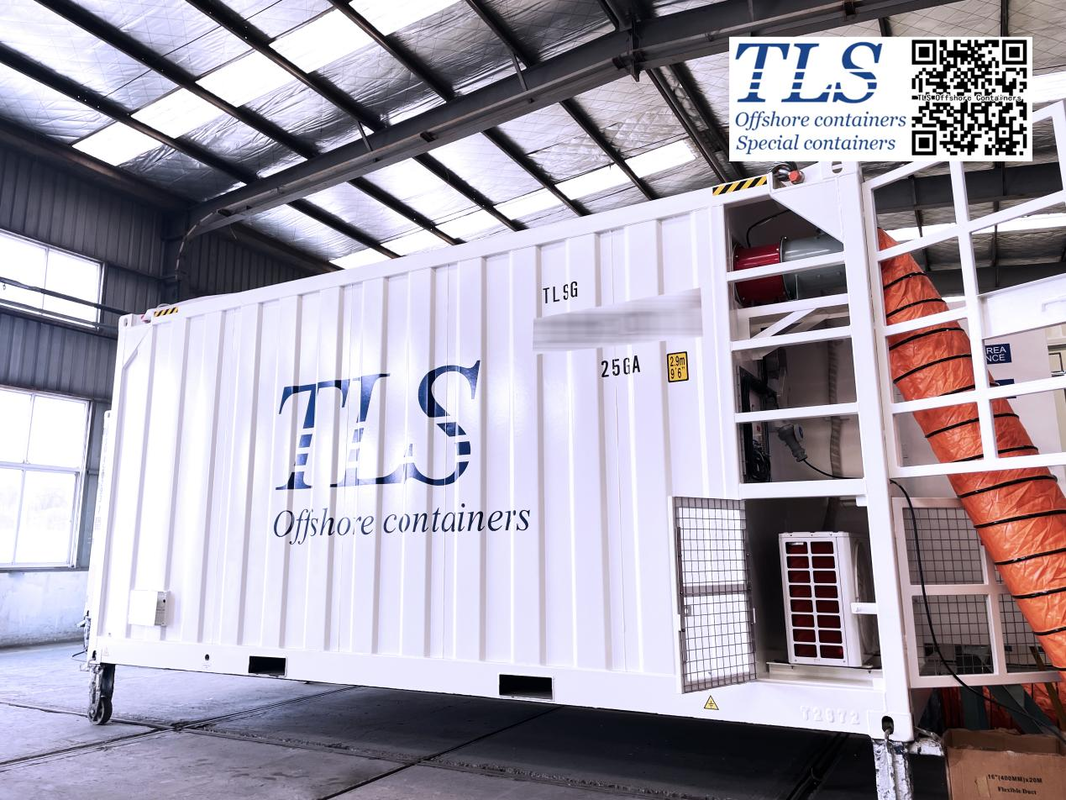
Introduction The offshore energy industry operates in some of the harshest environments on Earth, where safety, reliability, and efficiency are paramount. TLS Offshore Containers, a leading provider of specialized container solutions, is at the forefront of innovation with their intelligent pressurized containers, transforming how critical operations are conducted offshore. What are Intelligent Pressurized Containers? Intelligent pressurized containers are custom-engineered units designed to house essential equipment and processes in offshore settings. They are built to withstand extreme weather conditions, high pressures, and hazardous environments. What sets them apart is the integration of advanced technology for monitoring, control, and safety. TLS Offshore Containers: A Leader in Innovation TLS Offshore Containers has established a reputation for excellence by delivering tailored solutions that meet the unique demands of the offshore industry. Their intelligent pressurized containers offer a wide range of benefits:
Applications of Intelligent Pressurized Containers
Why Choose TLS Offshore Containers?
Conclusion TLS Offshore Containers is revolutionizing the offshore energy industry with their intelligent pressurized containers. By combining safety, efficiency, and customization, they are enabling companies to operate more effectively and securely in challenging offshore environments. TLS Offshore Containers / TLS Special Containers is a global supplier of standard and customised containerised solutions. Wherever you are in the world TLS can help you, please contact us. Product brochures: Offshore pressurised mud logging cabin brochure MCC | Switchgear | VFD | VSD pressurised shelter Key words: #TLS Offshore Containers #offshore pressurized containers #intelligent pressurized containers #offshore control rooms #hazardous area enclosures #DNV 2.7-1 containers #mud logging cabin #ROV cabin #intelligent pressurized container applications #safety features of TLS pressurized containers #how to customize TLS offshore containers #offshore containers Singapore Written by OliverIn the rapidly evolving energy sector, the demand for efficient and reliable Battery Energy Storage Systems (BESS) is at an all-time high. These systems are critical for managing energy flow, ensuring grid stability, and enhancing the integration of renewable energy sources. When it comes to onshore BESS containers, TLS stands out as a leading provider, offering advanced solutions equipped with air cooling and battery racks. Here’s why choosing TLS for your onshore BESS container needs is a smart decision. 1. Cutting-Edge Technology TLS leverages the latest advancements in BESS technology to deliver state-of-the-art solutions. Our onshore BESS containers are designed with precision and equipped with air cooling systems that ensure optimal temperature management. This is crucial for maintaining battery performance and extending the lifespan of the system. The air cooling system effectively dissipates heat, preventing overheating and potential damage to the batteries. 2. Enhanced Safety and Reliability Safety is a paramount concern in the energy storage industry. TLS's onshore BESS containers are engineered with multiple safety features, including robust air cooling systems and advanced battery racks that securely house the batteries. Our designs adhere to stringent safety standards, ensuring reliable operation and minimizing the risk of thermal runaway or other hazardous conditions. 3. Superior Energy Efficiency Efficiency is at the heart of our BESS solutions. TLS’s air cooling system is designed to operate efficiently, reducing energy consumption and operational costs. Our battery racks are engineered to maximize space utilization, allowing for higher energy density and more efficient storage. This means you get more energy storage capacity in a compact and efficient design. 4. Scalability and Flexibility Whether you need a small-scale solution or a large-scale energy storage system, TLS offers scalable BESS containers that can be customized to meet your specific requirements. Our modular designs allow for easy expansion, ensuring that your energy storage solution can grow with your needs. The flexibility of our systems ensures that they can be integrated seamlessly into various applications, from grid support to renewable energy integration. 5. Robust and Durable Design TLS’s onshore BESS containers are built to withstand harsh environmental conditions. Our durable designs ensure long-term reliability and performance, even in the most challenging settings. The air cooling system is designed to operate effectively across a wide range of temperatures, providing consistent performance and protection for the batteries. 6. Comprehensive Support and Service When you choose TLS, you’re not just getting a product; you’re getting a partner committed to your success. We offer comprehensive support and service, from initial consultation and design to installation and maintenance. Our team of experts is always available to provide technical support and ensure that your BESS system operates smoothly and efficiently. 7. Commitment to Sustainability At TLS, we are committed to promoting sustainable energy solutions. Our BESS containers are designed with sustainability in mind, using energy-efficient components and environmentally friendly materials. By choosing TLS, you’re supporting a company dedicated to reducing the carbon footprint and promoting a greener future. Conclusion In the competitive landscape of energy storage solutions, TLS’s onshore BESS containers with air cooling and battery racks stand out for their advanced technology, safety, efficiency, scalability, and robust design. By choosing TLS, you’re investing in a reliable, efficient, and sustainable energy storage solution that will meet your needs now and in the future. Trust TLS to deliver the best in onshore BESS technology and support your journey toward a more sustainable energy future. TLS Offshore Containers / TLS Special Containers is a global supplier of standard and customised containerised solutions. Wherever you are in the world TLS can help you, please contact us. Regarding the Battery Energy Storage System (BESS) container, please download Energy Storage System (ESS) Containers brochure for reference. Key words: #Onshore BESS containers #Battery Energy Storage Systems #TLS BESS solutions #Air cooling BESS #Advanced battery racks #Reliable BESS containers #Safe energy storage systems #Renewable energy integration #Grid stability solutions #Durable BESS containers #Energy storage efficiency #Customized BESS systems #Modular energy storage Why TLS 20ft Accommodation Cabins are the Best Solution for the Offshore Oil and Gas Industry7/8/2024
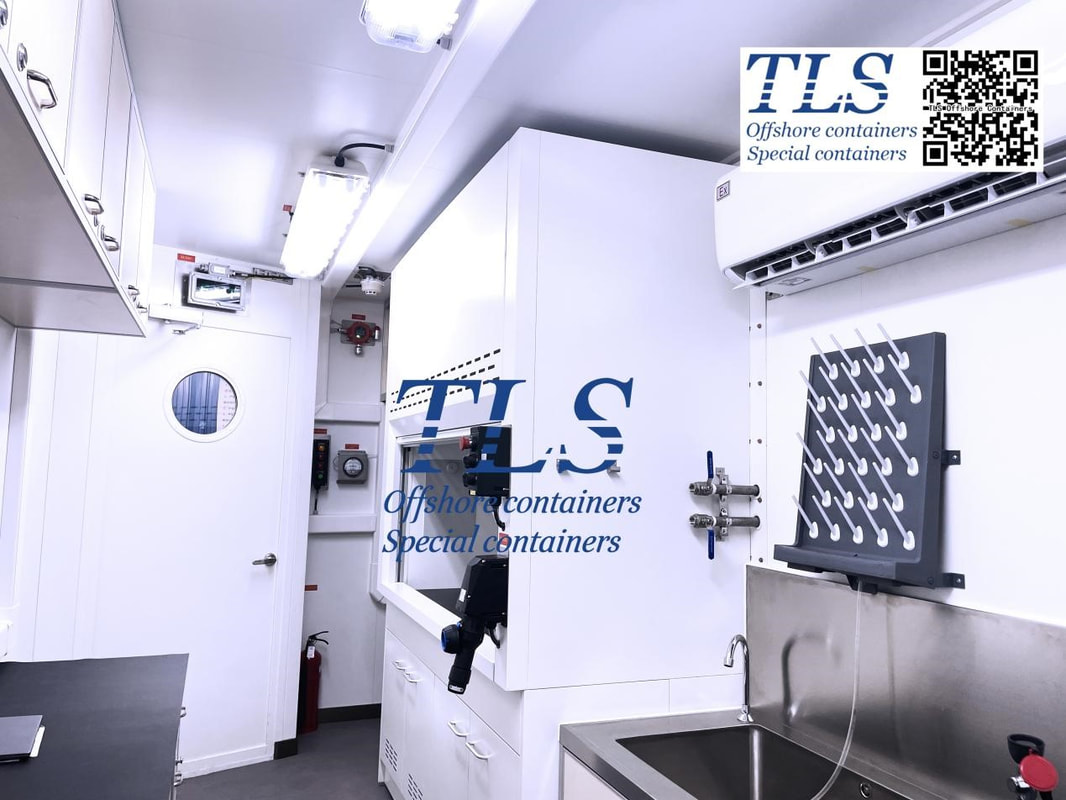
In the ever-evolving landscape of the offshore oil and gas industry, the demand for robust, efficient, and comfortable living spaces is more critical than ever. TLS Offshore Containers International offers a game-changing solution with their 20ft accommodation cabins. These cabins are engineered to meet the unique challenges of offshore environments, providing unparalleled benefits that make them the top choice for industry professionals. Here’s why TLS 20ft accommodation cabins are the best solution for the offshore oil and gas industry. 1. Superior Durability and Safety Offshore environments are known for their harsh conditions, including extreme weather, corrosive saltwater, and heavy operational demands. TLS 20ft accommodation cabins are built with high-grade materials and state-of-the-art construction techniques to withstand these challenges. These cabins comply with stringent safety standards, ensuring that they are fire-resistant, waterproof, and capable of enduring the rigors of offshore life. 2. Enhanced Comfort and Livability Living conditions play a crucial role in the productivity and well-being of offshore workers. TLS accommodation cabins are designed with comfort in mind, featuring climate control systems, soundproofing, and ergonomic interiors. Each cabin is equipped with essential amenities such as beds, storage, desks, and sanitation facilities, creating a home-like environment that boosts morale and efficiency. 3. Customizable and Versatile Design The 20ft accommodation cabins from TLS are highly customizable to meet specific client requirements. Whether you need additional sleeping quarters, office spaces, or recreational areas, these cabins can be configured to suit various needs. Their modular design allows for easy expansion and reconfiguration, providing a versatile solution that can adapt to changing project demands. 4. Efficient Space Utilization Space is a valuable commodity in offshore operations. The compact yet efficient design of the TLS 20ft accommodation cabins ensures optimal use of available space without compromising on comfort or functionality. Their stackable nature means they can be easily integrated into existing offshore platforms or vessels, maximizing the utility of limited areas. 5. Cost-Effective and Time-Saving Offshore projects often operate under tight budgets and timelines. TLS 20ft accommodation cabins offer a cost-effective solution that doesn’t sacrifice quality. Their rapid deployment capabilities reduce installation time, ensuring that your project stays on schedule. Additionally, the durability and low maintenance requirements of these cabins translate to long-term cost savings. 6. Environmentally Friendly Solutions Sustainability is becoming increasingly important in the oil and gas industry. TLS accommodation cabins are designed with eco-friendly features, such as energy-efficient systems and sustainable materials. By minimizing the environmental impact, these cabins help companies meet their green initiatives while maintaining high operational standards. 7. Compliance with Industry Standards TLS Offshore Containers International prides itself on adhering to international safety and quality standards. Their 20ft accommodation cabins are certified by leading industry bodies, ensuring that they meet all regulatory requirements. This compliance provides peace of mind to clients, knowing that their accommodation solutions are both safe and reliable. Conclusion In conclusion, TLS 20ft accommodation cabins stand out as the premier choice for the offshore oil and gas industry. Their unmatched durability, comfort, customization options, efficient space utilization, cost-effectiveness, eco-friendliness, and compliance with industry standards make them the ideal solution for any offshore project. By choosing TLS accommodation cabins, you are investing in the well-being of your workforce and the success of your operations. TLS Offshore Containers / TLS Special Containers is a global supplier of standard and customised containerised solutions. Wherever you are in the world TLS can help you, please contact us. More information about accommodation modulars, offshore accommodation cabins, gallery module, mess module, etc. Please download TLS accommodation modular brochure , TLS ABS approved offshore accommodation module brochure for reference. Key words: #Offshore accommodation cabins #20ft accommodation cabins #Oil and gas industry housing #Durable offshore cabins #Comfortable offshore living #Modular accommodation cabins #Customizable offshore cabins #Efficient space utilization cabins #Cost-effective offshore housing #Sustainable offshore accommodation #Safety-compliant accommodation cabins #Offshore living solutions #Accommodation cabins for oil rigs Written by OliverIn the rapidly evolving world of energy storage, understanding key metrics such as State of Charge (SOC) and State of Health (SOH) is crucial for optimizing battery performance and longevity. Whether in electric vehicles, renewable energy systems, or portable electronics, these metrics provide valuable insights into battery status and efficiency. ### What is State of Charge (SOC)? State of Charge (SOC) refers to the current charge level of a battery relative to its maximum capacity. It is typically expressed as a percentage, where 100% represents a fully charged battery and 0% indicates a completely discharged state. SOC is a dynamic parameter, continuously changing as the battery charges and discharges. #### Importance of SOC 1. **Battery Management**: SOC is essential for battery management systems (BMS) to ensure safe and efficient operation. It helps prevent overcharging and deep discharging, which can damage the battery. 2. **Performance Optimization**: Knowing the SOC allows users to optimize the performance of their devices by predicting the remaining runtime and scheduling charging cycles effectively. 3. **Energy Efficiency**: Accurate SOC measurement contributes to better energy efficiency in applications like electric vehicles and renewable energy systems by maximizing the use of available battery capacity. ### What is State of Health (SOH)? State of Health (SOH) indicates the overall condition and remaining useful life of a battery. Unlike SOC, which is a snapshot of current capacity, SOH is a more comprehensive measure, reflecting factors such as capacity fade, internal resistance, and the ability to deliver power. SOH is also expressed as a percentage, with 100% representing a brand-new battery in perfect condition. #### Importance of SOH 1. **Predictive Maintenance**: Monitoring SOH helps in predicting battery failures and scheduling maintenance before critical issues arise, thereby reducing downtime and maintenance costs. 2. **Longevity**: Understanding SOH can help extend battery life by adjusting usage patterns and charging practices to minimize wear and tear. 3. **Safety**: Batteries with poor SOH are more prone to failures and safety hazards. Regular SOH assessment ensures the reliability and safety of battery systems. ### Measuring SOC and SOH Accurately measuring SOC and SOH is complex and requires advanced techniques. Common methods include: 1. **Voltage Measurement**: Simple but less accurate due to the non-linear relationship between voltage and SOC. 2. **Coulomb Counting**: Measures the total charge entering and leaving the battery, providing a more accurate SOC estimate. 3. **Impedance Spectroscopy**: An advanced technique for assessing SOH by measuring the battery's internal resistance. ### Challenges and Solutions 1. **Temperature Effects**: Temperature variations can affect SOC and SOH measurements. Advanced BMS can compensate for temperature influences. 2. **Aging and Degradation**: As batteries age, their performance degrades, complicating SOC and SOH estimation. Regular calibration and sophisticated algorithms help mitigate these challenges. ### Conclusion Understanding SOC and SOH is vital for optimizing the performance, safety, and longevity of battery systems. By employing advanced measurement techniques and continuous monitoring, users can ensure their batteries operate efficiently and reliably, meeting the demands of modern applications. As technology advances, improved methods for assessing SOC and SOH will continue to enhance the capabilities of energy storage systems, driving innovation in various industries. In the fast-evolving world of offshore operations, having a reliable, safe, and efficient laboratory setup is crucial. TLS, a leader in manufacturing specialized containers, offers 20ft offshore lab containers designed specifically for safe area use. These containers are engineered to provide a controlled environment for scientific research, testing, and analysis, ensuring maximum productivity and safety. In this blog post, we will explore the features, benefits, and applications of these innovative lab containers. Why Choose a 20ft Offshore Lab Container?
Key Features of TLS 20ft Offshore Lab Containers
Benefits of Using 20ft Offshore Lab Containers
Applications of 20ft Offshore Lab Containers
Conclusion TLS's 20ft offshore lab containers are a game-changer for safe area operations. Their robust construction, customizable features, and advanced safety systems make them an ideal choice for a wide range of offshore applications. By investing in these lab containers, companies can enhance their operational efficiency, ensure safety, and achieve cost savings, all while maintaining the highest standards of research and analysis. TLS Offshore Containers / TLS Special Containers is a global supplier of standard and customised containerised solutions. Wherever you are in the world TLS can help you, please contact us. Please download Laboratory container brochure for reference. Key words: #20ft offshore lab container #TLS lab containers #safe area lab container #mobile offshore lab #portable lab container #customized offshore lab #20ft container lab #climate-controlled lab container #durable lab containers #fire-resistant lab container Written by OliverWhen it comes to industrial safety, especially in offshore environments, understanding and managing hazardous areas is crucial. These areas are typically classified into zones based on the frequency and duration of the presence of explosive atmospheres. In this blog, we'll explore the definitions and distinctions between Zone 0, Zone 1, and Zone 2 hazardous areas, and highlight the advantages of using pressure containers made by TLS Offshore Containers in such environments. What are Hazardous Areas? Hazardous areas are locations where flammable gases, vapors, or dust are present in the air in sufficient quantities to produce explosive or ignitable mixtures. Proper identification and classification of these areas are vital for implementing appropriate safety measures and ensuring compliance with regulations.
Advantages of TLS Offshore Containers in Hazardous Areas When working in hazardous areas, particularly offshore, the equipment used must meet stringent safety standards to prevent accidents and ensure operational efficiency. TLS Offshore Containers specializes in manufacturing pressure containers designed specifically for such environments. Here are the key advantages of using TLS pressure containers in Zone 0, Zone 1, and Zone 2 hazardous areas:
Conclusion Identifying and managing Zone 0, Zone 1, and Zone 2 hazardous areas is essential for maintaining safety in industrial operations, especially in offshore environments. Using high-quality, compliant equipment like TLS Offshore Containers can significantly enhance safety and reliability in these environments. With their robust design, adherence to international standards, and dedicated support, TLS Offshore Containers are an excellent choice for any operation dealing with hazardous areas. TLS Offshore Containers / TLS Special Containers is a global supplier of standard and customised containerised solutions. Wherever you are in the world TLS can help you, please contact us. Product brochures: Offshore pressurised mud logging cabin brochure MCC | Switchgear | VFD | VSD pressurised shelter Key words: #Explosive atmosphere classification #Industrial safety zones #TLS Offshore Containers #Pressure containers for hazardous areas #ATEX #IECEx #Offshore safety equipment #Hazardous area management #Customizable pressure containers #Offshore hazardous zones Written by OliverAs the world rapidly shifts towards sustainable energy solutions, Battery Energy Storage Systems (BESS) are emerging as pivotal components in the renewable energy landscape. Among the leading innovations in this field are BESS enclosures manufactured by TLS, designed to enhance the efficiency, safety, and longevity of battery storage systems. In this blog, we delve into the features, benefits, and technological advancements that make TLS BESS enclosures a game-changer in energy storage. What is a BESS Enclosure? A Battery Energy Storage System (BESS) enclosure is a protective housing designed to store and safeguard batteries that store energy for various applications, including grid stabilization, renewable energy storage, and emergency power supply. These enclosures ensure that the batteries operate under optimal conditions, protecting them from environmental factors, physical damage, and thermal fluctuations. Why Choose TLS BESS Enclosures? TLS has established itself as a leader in manufacturing high-quality BESS enclosures, offering several advantages that cater to the diverse needs of energy storage systems. Here’s why TLS stands out:
Applications of TLS BESS Enclosures The versatility of TLS BESS enclosures makes them suitable for a wide range of applications, including:
The Future of Energy Storage with TLS As the demand for reliable and efficient energy storage solutions continues to grow, TLS is at the forefront of innovation with their state-of-the-art BESS enclosures. By prioritizing safety, scalability, and durability, TLS is helping pave the way for a sustainable energy future. Conclusion In conclusion, TLS BESS enclosures are revolutionizing the way we store and manage energy. With their advanced features, robust security, and flexible designs, they offer an unparalleled solution for all your energy storage needs. Embrace the future of energy storage with TLS and experience the difference in efficiency, reliability, and sustainability. TLS Offshore Containers / TLS Special Containers is a global supplier of standard and customised containerised solutions. Wherever you are in the world TLS can help you, please contact us. Any more information regarding the Commercial and industrial & microgrid energy storage system, please download Commerical and industrial microgrid tied energy storage system cabinet brochure for your reference Key words: #Battery Energy Storage Systems #BESS enclosures #TLS BESS cabinet #energy storage solutions #advanced thermal management for BESS #secure energy storage enclosures #scalable BESS enclosures #renewable energy storage #grid stabilization solutions #commercial energy storage #industrial energy storage #sustainable energy storage Written by OliverWhen it comes to offshore living, comfort, safety, and durability are paramount. TLS Offshore Containers, a leading manufacturer in the field, has set a new standard with their 20ft offshore accommodation containers. These containers are designed to provide a home away from home for workers in some of the most challenging environments. In this blog, we will explore the features, benefits, and applications of the 20ft offshore accommodation containers by TLS. What is a 20ft Offshore Accommodation Container? A 20ft offshore accommodation container is a modular unit designed to serve as living quarters for personnel working in offshore locations such as oil rigs, wind farms, and other maritime industries. These containers are built to withstand harsh offshore conditions while providing a comfortable and safe living environment. Why Choose TLS Offshore Containers?
Applications of 20ft Offshore Accommodation Containers
Conclusion The 20ft offshore accommodation containers by TLS are a game-changer for offshore living. Combining durability, safety, comfort, and versatility, these containers provide an ideal solution for various offshore industries. Whether you are in the oil and gas sector, renewable energy, maritime industry, or involved in emergency relief, TLS containers can meet your accommodation needs effectively. TLS Offshore Containers / TLS Special Containers is a global supplier of standard and customised containerised solutions. Wherever you are in the world TLS can help you, please contact us. More information about accommodation modulars, offshore accommodation cabins, gallery module, mess module, etc. Please download TLS accommodation modular brochure , TLS ABS approved offshore accommodation module brochure for reference. Key words: #Offshore accommodation container #20ft accommodation container #TLS Offshore Containers #Modular offshore accommodation #DNV 2.7-1 accommodation container #EN 12079 containers #Offshore housing solutions #Corrosion-resistant offshore containers #Custom offshore containers #Portable offshore accommodation #Durable offshore living spaces Written by OliverAs the trend of tiny living continues to grow, 20ft accommodation cabins are becoming a popular choice for those seeking a blend of mobility, affordability, and comfort. Whether you're planning a weekend getaway, a long-term stay, or need a versatile solution for additional living space, a 20ft accommodation cabin for 4 people can be the perfect fit. In this comprehensive guide, we'll explore the benefits, features, and considerations of these compact yet spacious living quarters, manufactured by TLS. Benefits of 20ft Accommodation Cabins 1. Mobility and Flexibility One of the standout advantages of a 20ft accommodation cabin from TLS is its mobility. These cabins can be easily transported and set up in a variety of locations, making them ideal for:
2. Cost-Effective Living Compared to traditional housing, TLS 20ft accommodation cabins are significantly more affordable. They provide a cost-effective way to create additional living space without the financial burden of a full-scale home build. The savings on utilities and maintenance are also notable, thanks to their efficient design. 3. Eco-Friendly At TLS, we prioritize sustainability. Our 20ft cabins are built with eco-friendly materials and are designed to be energy-efficient, reducing your carbon footprint. Features like solar panels, rainwater collection systems, and composting toilets can make these cabins even greener. Key Features of a TLS 20ft Accommodation Cabin for 4 People 1. Efficient Use of Space Despite their compact size, TLS cabins are ingeniously designed to maximize space. Key features often include:
2. Modern Amenities TLS 20ft accommodation cabins are equipped with modern conveniences to ensure a comfortable stay. Common amenities include:
3. Customizable Design TLS offers customizable options to tailor the cabin to your specific needs and preferences. This can include choices in interior finishes, layout configurations, and additional features like a deck or an extra storage area. Considerations When Choosing a 20ft Accommodation Cabin 1. Intended Use Consider how you plan to use the cabin. Is it for short-term stays, long-term living, or as a guest house? Your intended use will influence the features and layout that are most important. 2. Local Regulations Before purchasing or installing a 20ft accommodation cabin from TLS, check local zoning laws and regulations. Permits may be required, and there may be restrictions on where and how the cabin can be used. 3. Insulation and Climate Control Ensure the cabin is well-insulated and equipped with appropriate climate control systems, especially if you plan to use it in areas with extreme weather conditions. 4. Transportation and Setup Consider the logistics of transporting and setting up the cabin. TLS offers professional delivery and installation services to simplify this process, ensuring your cabin is safely and correctly positioned. Why Choose TLS? At TLS, we are committed to providing high-quality, innovative, and sustainable accommodation solutions. Our 20ft cabins are designed with the user in mind, offering comfort, functionality, and style. Here’s why you should choose TLS:
Conclusion A 20ft accommodation cabin for 4 people by TLS offers a versatile and affordable solution for a variety of housing needs. With thoughtful design and modern amenities, these cabins provide a comfortable and sustainable living space. Whether you're looking to embrace tiny living, create additional guest space, or need a temporary housing solution, a TLS 20ft accommodation cabin is a smart and stylish choice. TLS Offshore Containers / TLS Special Containers is a global supplier of standard and customised containerised solutions. Wherever you are in the world TLS can help you, please contact us. More information about accommodation modulars, offshore accommodation cabins, gallery module, mess module, etc. Please download TLS accommodation modular brochure , TLS ABS approved offshore accommodation module brochure for reference. Key words: #20ft accommodation cabin #accommodation cabin for 4 people #tiny living solutions #mobile accommodation cabins #portable living cabins #sustainable accommodation solution #eco-friendly cabins #customizable 20ft cabins #TLS accommodation cabins #temporary housing solutions Written by OliverThe diversion of vessels around the Cape of Good Hope has significantly disrupted vessel arrival schedules at major ports globally, causing off-schedule arrivals and a "vessels bunching" effect, according to the Maritime and Port Authority of Singapore (MPA). This phenomenon has also impacted the Port of Singapore, one of the world's busiest ports, which has seen a "significant increase" in vessel arrivals since the beginning of 2024. In response to media inquiries about the extended waiting times for berths in the Port of Singapore, MPA reported that container volumes handled in the first four months of 2024 reached 13.36 million twenty-foot equivalent units (TEUs), marking an 8.8% increase over the same period last year. "For container vessels, we have observed large increases in container volumes and the 'bunching' of arrivals over recent months due to upstream supply chain disruptions," MPA stated. The increased number of off-schedule container vessel arrivals and higher container volumes in Singapore have led to longer wait times for container berths. While most container vessels are berthed upon arrival, the port operator PSA has collaborated with liners to adjust arrival schedules where possible. When adjustments are not feasible, the average waiting time for container vessels is about two to three days. The increased demand for container handling in Singapore results from several container lines discharging more containers in Singapore to catch up on their next schedules. Additionally, the number of containers handled per vessel has increased. Besides the increased demands, container lines are leveraging PSA's cargo handling capabilities to manage container stowage onboard vessels and facilitate quick cargo discharge for subsequent port calls. This reliance on PSA highlights the confidence container liners have in the port. Since late 2023, MPA, together with the Ministry of Transport (MOT), has been working with PSA and the industry to prepare for higher vessel arrivals. PSA has added more manpower and container handling capacity, reactivated older berths and yards at Keppel Terminal, and increased weekly container handling from 770,000 TEUs to 820,000 TEUs. Three new berths at Tuas Port will commence operations later this year, increasing overall port handling capacity. PSA plans to expedite these new berths to boost container handling capacity in the near term. MPA and PSA are closely coordinating with container lines and regional feeders to update them on berth availability and advise on arrival times to minimize berthing delays. "There is no delayed berthing experienced for other vessels that call at Singapore, which constitutes about two-thirds of vessel arrivals," MPA stated. "Currently, there is no crowding in the anchorages." MOT and MPA will continue to collaborate with PSA to optimize the port's capabilities and capacity to minimize berth wait times, including proactive planning with container lines on their arrival times versus berth availability. Meanwhile, MPA noted that tanker and bulk vessel segments, including resupply and bunkering activities within the anchorages, remain unaffected.  |

- Home
-
Containerised solutions
- Intelligent pressurised container | MUD logging cabin
- Battery energy storage system (BESS) container
- Flexible grid tied battery storage system
- Laboratory container | workshop container | Equipment containers
- Temporary refuge shelter | Toxic gas refuge | Safe haven
- Offshore accommodation cabin | office container
- Reefer container | Refrigerated container
- Intelligent waste water treatment container
- Fresh water generator container
- Cargo Containers
- Product photos & videos
- News & Blogs
- Contact us






|
Featured products
Intelligent pressurised container Temporary refuge (TR) shelter, toxic gas refuge (TGR) Battery energy storage system (BESS) container Containerised waste water treatment plant Fresh water generator container Reefer container Laboratory container, Workshop container Accommodation container Offshore closed container |
All Rights Reserved 2020 © TLS Offshore Containers / TLS Energy
|