Unveiling the Significance of TLS 40ft MCC Shelters in Hazardous Areas: A Comprehensive Insight7/25/2024
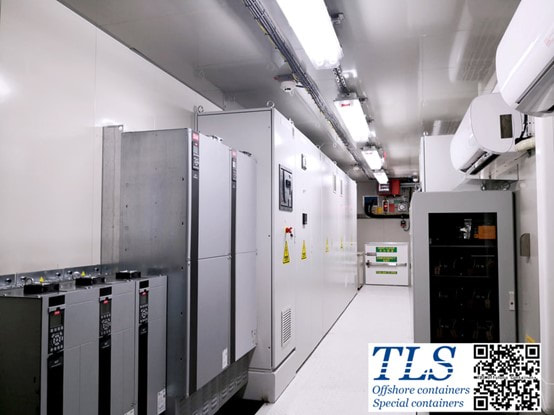
Introduction: In industries operating in hazardous zones, the safety and reliability of electrical equipment are paramount. A 40ft MCC (Motor Control Center) shelter, especially those engineered by TLS, offers a robust solution to protect sensitive electrical components from the risks posed by flammable gases, vapors, dust, and other hazardous substances. What are 40ft MCC Shelters? MCC shelters are essentially specialized containers designed to house motor control centers. These shelters provide a controlled environment for MCC, ensuring their optimal performance and longevity, even in challenging conditions. TLS, a renowned manufacturer in this field, is known for our high-quality and innovative MCC shelter solutions. Why are 40ft MCC Shelters Essential in Hazardous Areas?
Key Features of TLS 40ft MCC Shelters:
Applications of 40ft MCC Shelters:
Choosing the Right 40ft MCC Shelter: When selecting a 40ft MCC shelter, consider factors like:
Conclusion: 40ft MCC shelters, especially those manufactured by TLS, are indispensable in safeguarding electrical equipment and personnel in hazardous environments. Investing in a high-quality MCC shelter ensures regulatory compliance, enhances safety, and ultimately contributes to the smooth operation of critical industrial processes. TLS Offshore Containers / TLS Special Containers is a global supplier of standard and customised containerised solutions. Wherever you are in the world TLS can help you, please contact us. Product brochures: Offshore pressurised mud logging cabin brochure MCC | Switchgear | VFD | VSD pressurised shelter Keywords: #40ft MCC shelter, #TLS, #hazardous areas, #electrical equipment, #explosion-proof, #intrinsically safe, #pressurised container Written by OliverIntroduction In the demanding world of oil, gas, and renewable energy industries, reliable Motor Control Centers (MCCs) are the backbone of electrical systems. Ensuring their protection and functionality is paramount, especially in challenging environments. This is where TLS Offshore Containers steps in, offering cutting-edge MCC shelters designed to withstand the harshest conditions while optimizing operational efficiency. What are MCC Shelters? MCC shelters are specialized enclosures designed to house and protect Motor Control Centers, which are essential for controlling and distributing electrical power in industrial settings. These shelters safeguard MCCs from environmental hazards, ensuring the uninterrupted operation of critical processes. Why Choose TLS Offshore Containers' MCC Shelters?
Key Benefits of TLS MCC Shelters:
TLS Offshore Containers: Your Trusted Partner With decades of experience in the offshore industry, TLS Offshore Containers has established a reputation for excellence in engineering and manufacturing. Their commitment to quality, innovation, and customer satisfaction is evident in every MCC shelter they produce. Conclusion In industries where reliability and safety are non-negotiable, TLS Offshore Containers' MCC shelters are the ultimate solution. Their robust construction, customization options, and unwavering commitment to safety make them the preferred choice for protecting critical electrical infrastructure in the harshest conditions. TLS Offshore Containers / TLS Special Containers is a global supplier of standard and customised containerised solutions. Wherever you are in the world TLS can help you, please contact us. Product brochures: Offshore pressurised mud logging cabin brochure MCC | Switchgear | VFD | VSD pressurised shelter #TLS Offshore Containers #Offshore MCC shelter #Motor Control Center shelte #Hazardous area shelter #Explosion-proof shelter #Customizable MCC shelter #Oil and gas shelter #Petrochemical shelter #MCC shelter for harsh environments #MCC shelter for harsh environments Written by OliverTLS Delivers the 40' MCC Shelter: Innovation in Offshore Explosion Proof Container Solutions3/11/2024
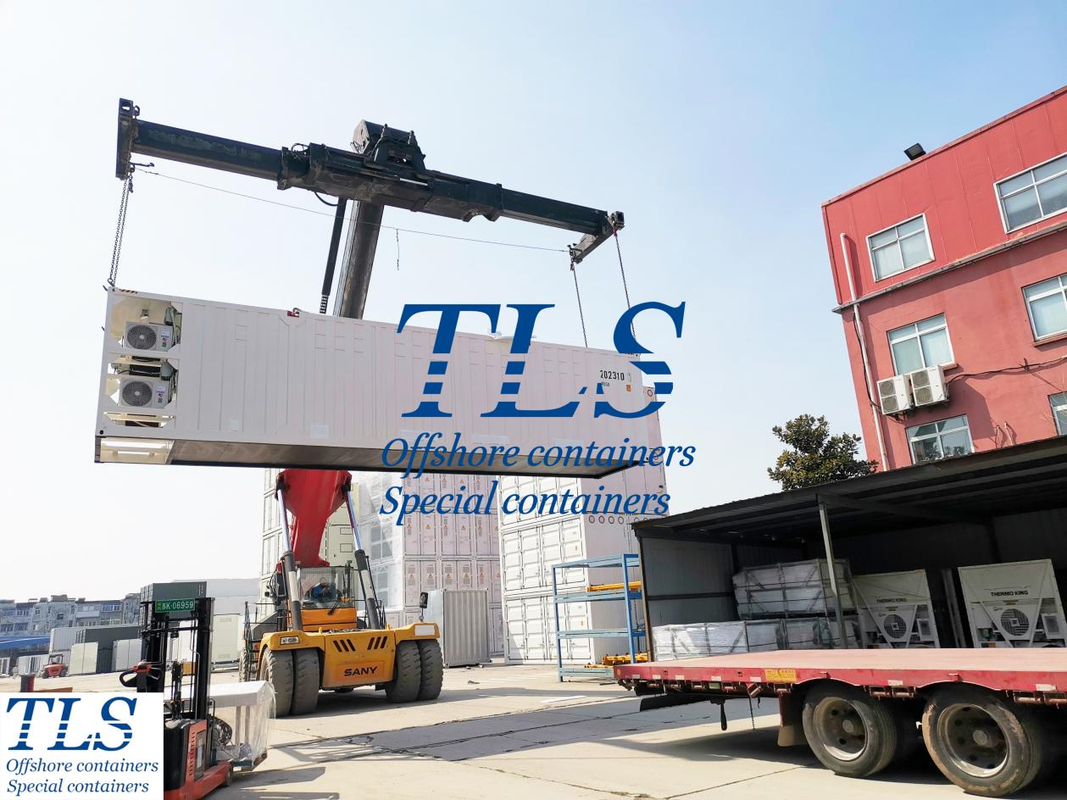
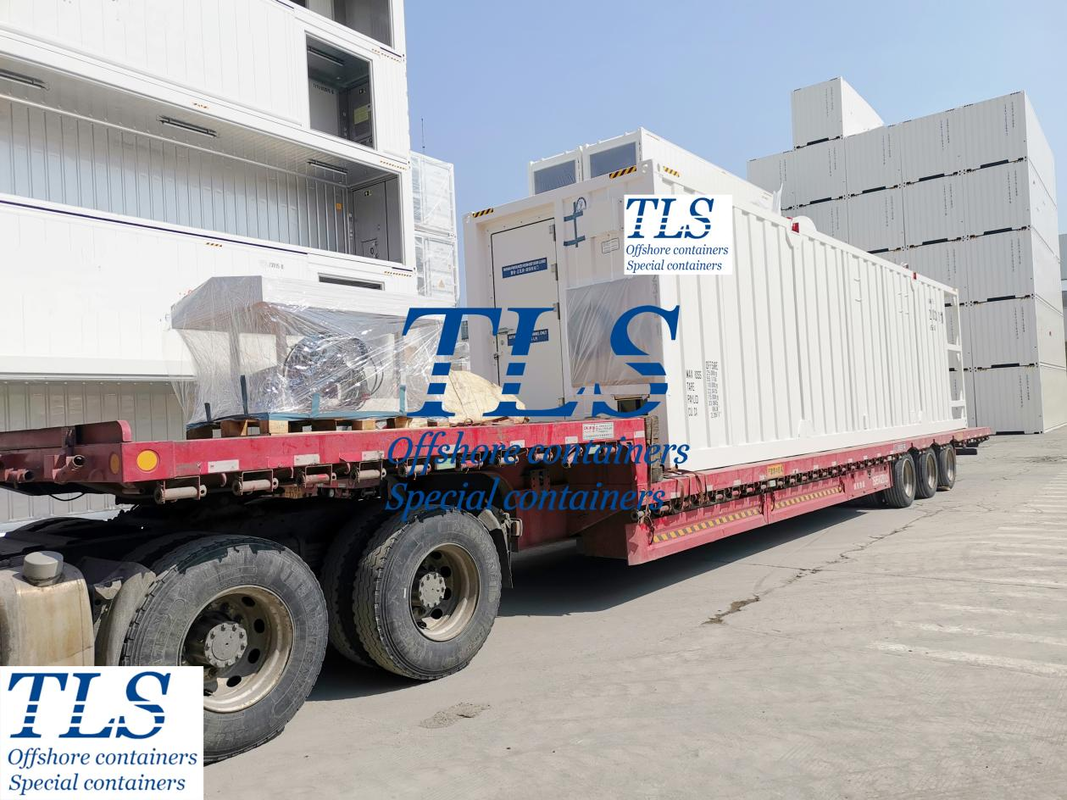
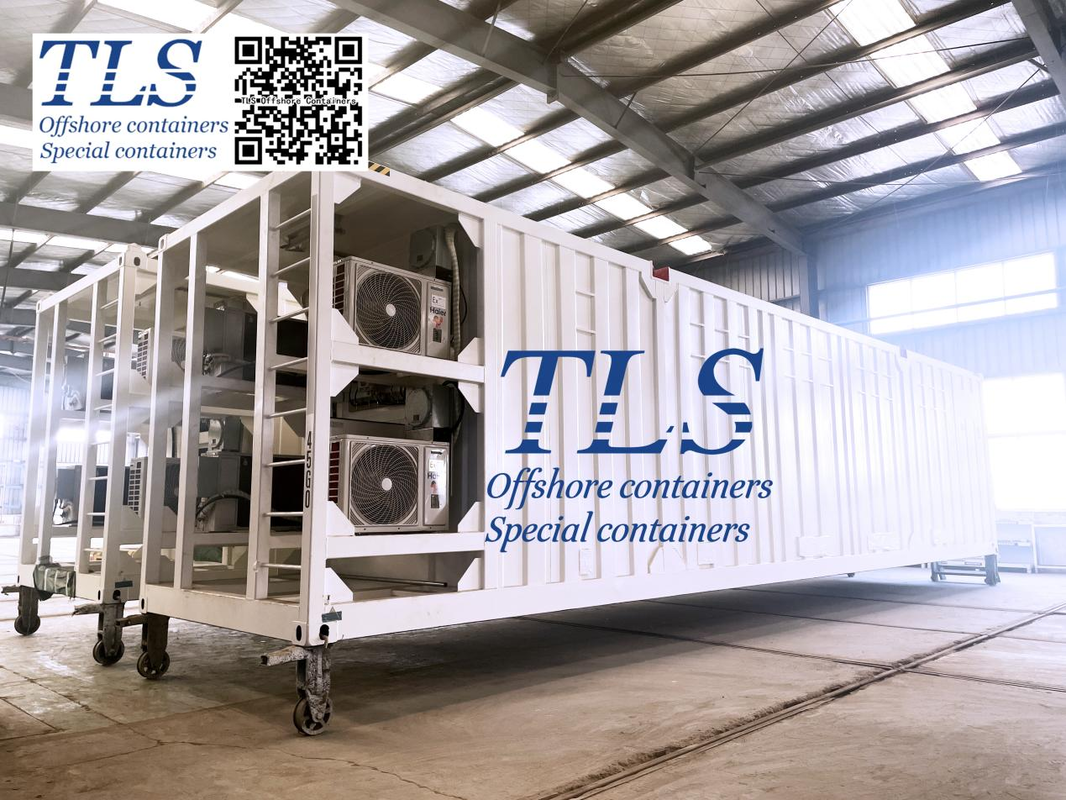
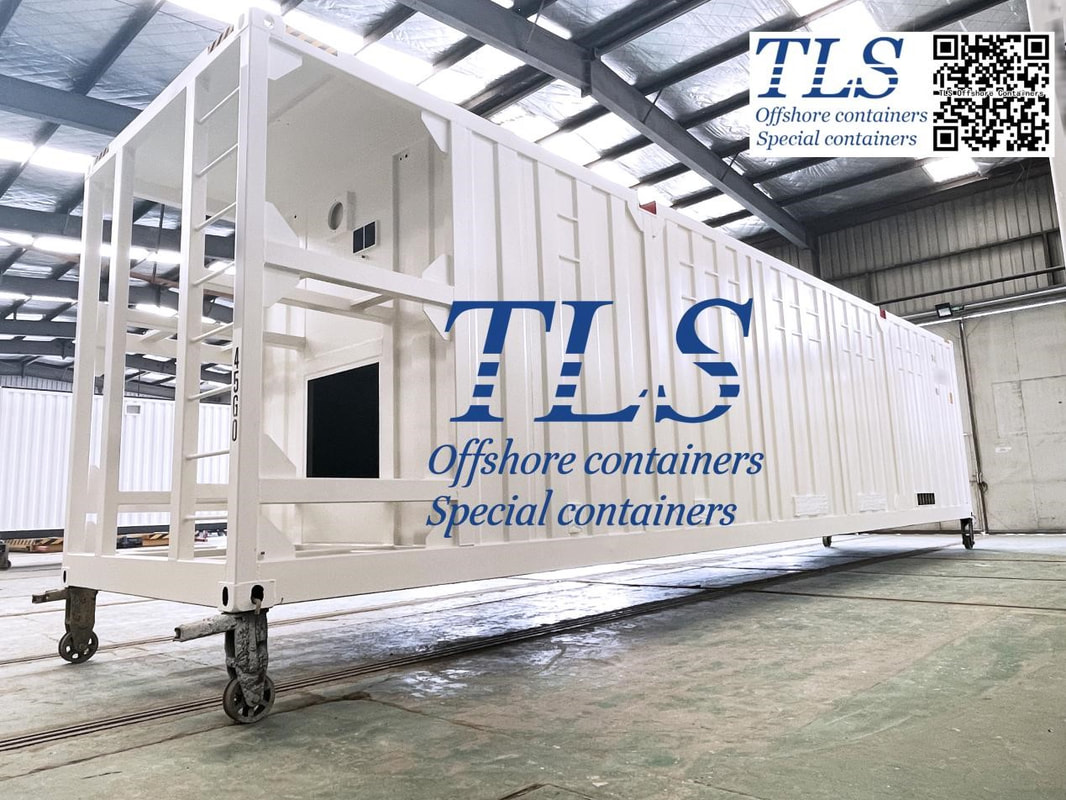
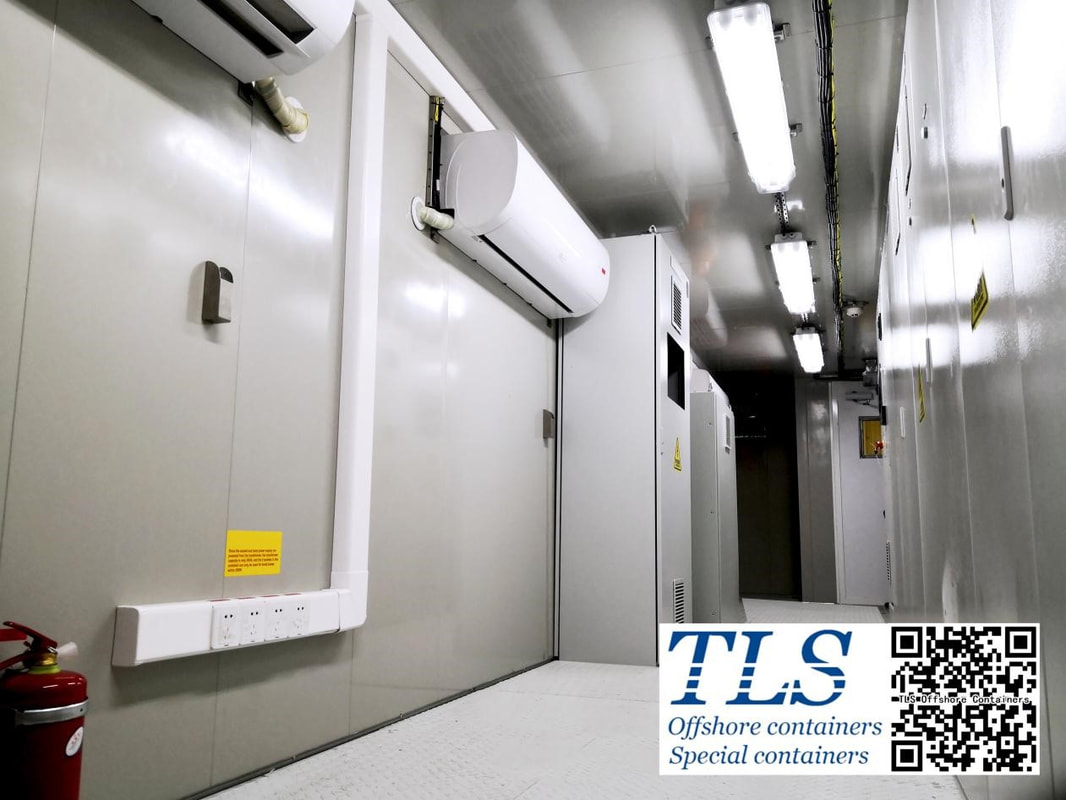
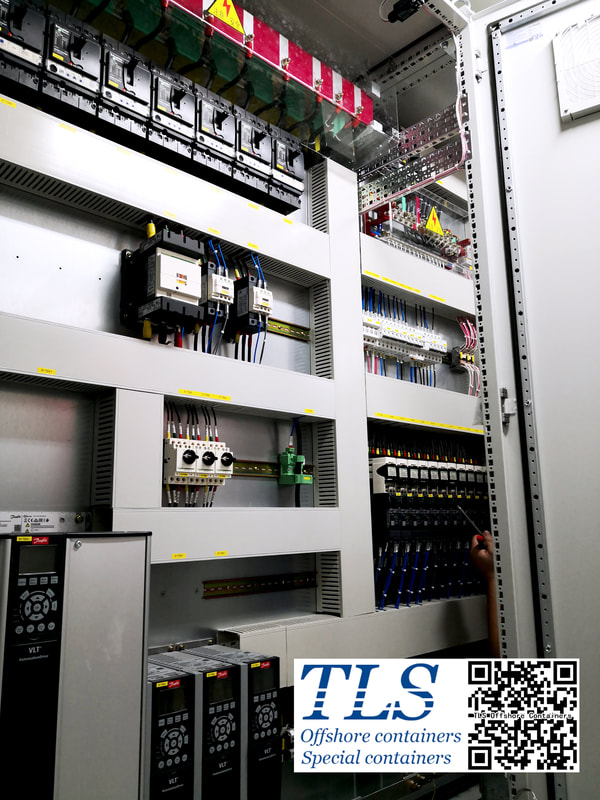
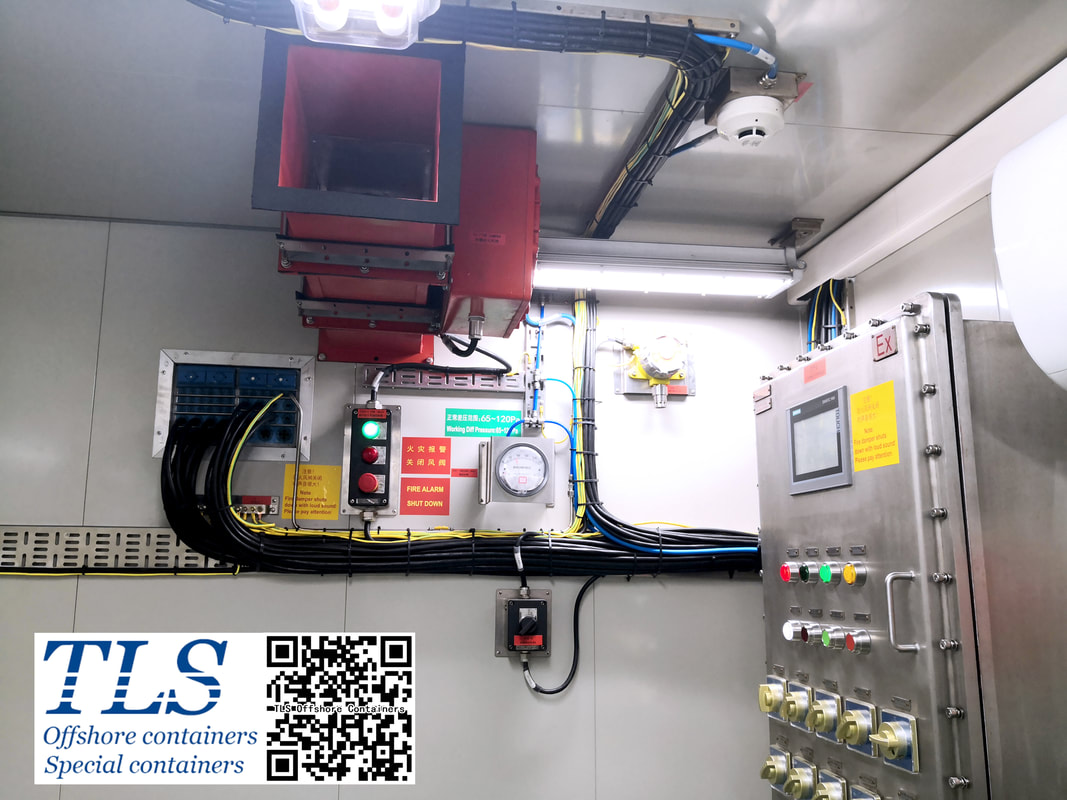
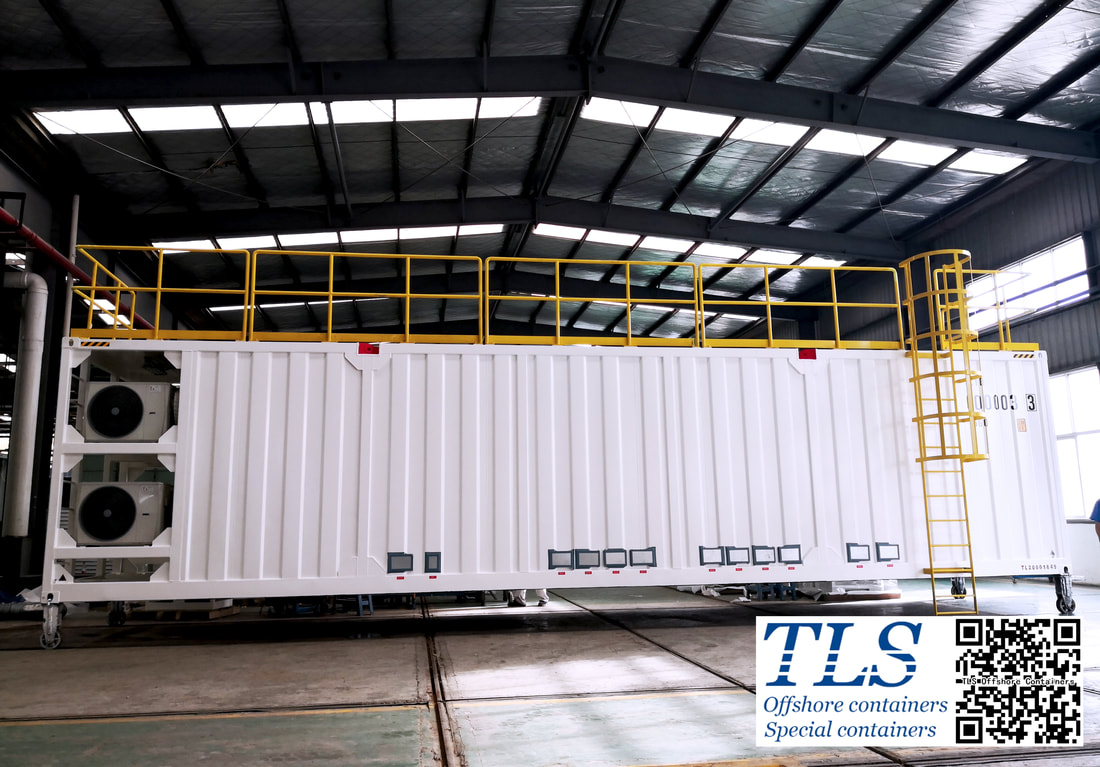
At TLS, we pride ourselves on pushing the boundaries of innovation in shelter solutions. Today, we are thrilled to announce the successful completion and imminent delivery of our groundbreaking 40' MCC Shelter. This milestone marks not only a triumph in engineering but also a testament to our commitment to delivering excellence to our customers worldwide. Unveiling the 40' MCC Shelter Our 40' MCC Shelter is a testament to our dedication to quality, functionality, and durability. Designed to meet the evolving needs of various industries, this shelter offers unparalleled versatility and performance. TLS intelligent pressurized containers are an excellent choice for any offshore oil and gas operation looking for safe and efficient energy storage. With advanced safety features, easy connection and rapid mobilization, and industry-standard certifications, these containers provide peace of mind and ensure the safety of personnel and equipment. Features That Set Us Apart
Ready for Deliver As we prepare to deliver our 40' MCC Shelter to customers around the globe, we remain committed to providing comprehensive support every step of the way. From initial consultation to final installation, our team of experts is dedicated to ensuring a seamless experience and maximum satisfaction for our valued clients. Conclusion The successful delivery of our 40' MCC Shelter is not just a project completion; it's a testament to our unwavering dedication to quality, innovation, and customer satisfaction. As we look ahead to the future, we remain committed to pushing the boundaries of what's possible and setting new standards of excellence in the industry. TLS Offshore Containers / TLS Special Containers is a global supplier of standard and customised containerised solutions. Wherever you are in the world TLS can help you, please contact us. Product brochures: Offshore pressurised mud logging cabin brochure MCC | Switchgear | VFD | VSD pressurised shelter Written by OliverUnveiling the Significance of 40ft MCC Shelters in Hazardous Areas: A Comprehensive Insight2/26/2024
Introduction: In the dynamic landscape of industrial operations, safety takes precedence, especially in hazardous environments like Zone 1 and Zone 2 areas. Within these zones, the need for reliable infrastructure to house critical electrical equipment is paramount. Enter the 40ft Motor Control Center (MCC) shelter, a robust solution designed to thrive in these challenging environments while ensuring operational integrity and personnel safety. In this in-depth exploration, we unravel the importance, features, and applications of 40ft MCC shelters in Zone 1 and Zone 2 areas, shedding light on their indispensable role in modern industrial safety protocols. Understanding 40ft MCC Shelters in Hazardous Zones: In hazardous areas classified as Zone 1 and Zone 2, the presence of flammable gases, vapors, and combustible dusts necessitates stringent safety measures. 40ft MCC shelters are specifically engineered to meet these requirements, providing a secure and controlled environment for electrical equipment while mitigating the risks associated with hazardous substances. Key Features of 40ft MCC Shelters in Hazardous Zones:
Applications Across Industries in Hazardous Zones: The versatility of 40ft MCC shelters extends across a spectrum of industries operating in hazardous zones, including:
Benefits of Investing in 40ft MCC Shelters in Hazardous Zones:
Conclusion: In conclusion, 40ft MCC shelters represent a cornerstone of safety and reliability in hazardous environments, offering unparalleled protection, functionality, and compliance across diverse industrial applications. As industries continue to prioritize safety and regulatory adherence, the importance of 40ft MCC shelters in mitigating risks and ensuring operational continuity in Zone 1 and Zone 2 areas remains unequivocal. TLS Offshore Containers / TLS Special Containers is a global supplier of standard and customised containerised solutions. Wherever you are in the world TLS can help you, please contact us. Product brochures: Offshore pressurised mud logging cabin brochure MCC | Switchgear | VFD | VSD pressurised shelter Key words: #Hazardous area shelter #Zone 1/2 MCC shelter #Explosion-proof shelter #Electrical equipment housing #Hazardous environment infrastructure #ATEX certified shelters #IECEx compliant shelters #Flammable atmosphere shelter #Oil and gas shelter solutions #Petrochemical shelter systems #Mining industry shelters Written by OliverIntroduction: In the dynamic landscape of industrial operations, safety is the top priority. Facilities dealing with Motor Control Centers (MCC), Variable Speed Drives (VSD), and Uninterruptible Power Supplies (UPS) recognize the critical need for protective measures. This article delves into the importance of positive pressure explosion-proof containers, shedding light on why they are indispensable for safeguarding MCC, VSD, and UPS equipment. Understanding the Threat: Industrial environments often harbor conditions that can pose significant risks, including combustible dust, volatile substances, and flammable gases. The potential for explosions is a constant concern, necessitating robust safety measures to mitigate these risks and ensure the continuity of operations. Positive Pressure Explosion-Proof Containers: A Shield for Critical Equipment Positive pressure explosion-proof containers are purpose-built solutions designed to counter the threats associated with explosive atmospheres. These containers maintain an internal pressure higher than the external atmospheric pressure, creating a protective barrier against the entry of hazardous gases or dust that could trigger an explosion. Key Advantages for MCC, VSD, and UPS:
Conclusion: Positive pressure explosion-proof containers are indispensable guardians for MCC, VSD, and UPS equipment in industrial settings. As safety continues to be a top priority, investing in these purpose-built solutions not only shields critical assets from potential disasters but also aligns with regulatory standards. A proactive approach to safety through positive pressure containers ensures that industrial facilities remain resilient, secure, and compliant in the face of potential hazards. TLS Offshore Containers / TLS Special Containers is a global supplier of standard and customised containerised solutions. Wherever you are in the world TLS can help you, please contact us. Product brochures: Offshore pressurised mud logging cabin brochure MCC | Switchgear | VFD | VSD pressurised shelter #Industrial safety solutions #Hazardous environment protection #Explosion-resistant containers #Critical equipment resilience #Regulatory compliance in industrial settings #Workplace safety measures #Combustible dust prevention #Flammable gases containment #Industrial equipment safeguards #Positive pressure technology Written by OliverThe Essential Guide to MCC (Motor Control Center) Shelter: Benefits, Design, and Maintenance9/22/2023
Introduction Motor Control Centers (MCC) are the nerve centers of industrial automation and electrical distribution systems, ensuring seamless operation of machinery and equipment. To protect these vital components from environmental factors and ensure uninterrupted functionality, MCC shelters play a crucial role. In this comprehensive guide, we'll delve into the world of MCC shelters, exploring their importance, design considerations, and maintenance practices. Why MCC Shelters Matter
Design Considerations When designing an MCC shelter, several factors must be taken into account to ensure optimal functionality and long-term reliability.
Maintenance Practices To keep your MCC shelter and its components in peak condition, regular maintenance is essential.
Conclusion MCC shelters are the unsung heroes of industrial automation and electrical distribution systems. They protect vital equipment, ensure safety, and help businesses meet regulatory requirements. By carefully considering their design and implementing a proactive maintenance regimen, you can ensure the longevity and reliability of your MCC shelter, minimizing downtime and maximizing productivity in your industrial operations. TLS Offshore Containers / TLS Special Containers is a global supplier of standard and customised containerised solutions. Wherever you are in the world TLS can help you, please contact us. Product brochures: Offshore pressurised mud logging cabin brochure MCC | Switchgear | VFD | VSD pressurised shelter 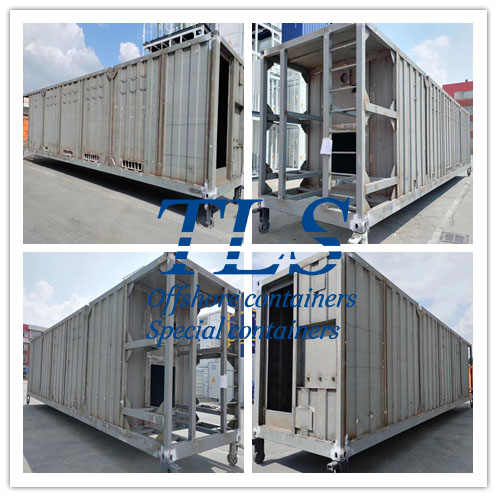 Written by OliverIn today's global economy, industries such as oil and gas, renewable energy, and maritime logistics operate in some of the most challenging environments on the planet. These industries require specialized equipment and infrastructure to ensure both the safety of personnel and the efficient operation of critical systems. One key element in this equation is the MCC (Motor Control Center) Shelter, which plays a pivotal role in safeguarding electrical equipment and controls in harsh offshore and onshore environments. TLS Offshore Containers has emerged as a trusted provider of high-quality MCC Shelters designed to meet the demanding needs of these industries. Understanding MCC Shelters MCC Shelters, also known as Electrical Equipment Buildings or E-Houses, are essential components in industrial settings where sensitive electrical and control equipment must be housed and protected. These shelters serve as a secure environment for critical electrical components, including motor control centers, switchgear, instrumentation, and automation systems. TLS Offshore Containers has earned a reputation as a leading manufacturer of MCC Shelters, with a strong commitment to quality, safety, and customization. Their MCC Shelters are designed to withstand harsh environmental conditions such as extreme temperatures, corrosive atmospheres, and hazardous areas, making them ideal for a range of applications across various industries. Key Features of TLS Offshore Containers' MCC Shelters
Applications of TLS Offshore Containers' MCC Shelters TLS Offshore Containers' MCC Shelters find applications across a wide range of industries:
Conclusion TLS Offshore Containers' MCC Shelters are indispensable assets in industries that demand reliability, safety, and efficiency. With a focus on customization, quality, and compliance, TLS Offshore Containers continues to be a trusted partner for businesses operating in challenging environments. As these industries evolve and face new challenges, the role of MCC Shelters in safeguarding critical equipment remains as vital as ever, and TLS Offshore Containers stands ready to meet those needs. TLS Offshore Containers / TLS Special Containers is a global supplier of standard and customised containerised solutions. Wherever you are in the world TLS can help you, please contact us. Product brochures: Offshore pressurised mud logging cabin brochure MCC | Switchgear | VFD | VSD pressurised shelter #MCC Shelter #TLS Offshore Containers #Motor Control Center Shelter #E-House #Industrial Electrical Equipment #Offshore Equipment Shelters #Onshore Electrical Enclosures #Hazardous Area Compliance #Industrial Infrastructure Protection #Customized MCC Shelters Written by OliverIntroduction: In industries where hazardous conditions are prevalent, safety is of utmost importance. The A60 Ex-Proof MCC (Motor Control Center) shelter container is a vital solution for ensuring safety and efficiency in hazardous environments. These specially designed containers are built to withstand explosive atmospheres while providing a secure and controlled environment for critical electrical equipment. In this article, we will delve into the significance of A60 Ex-Proof MCC shelter containers, their features, and the benefits they offer in terms of safety and operational efficiency. Understanding A60 Ex-Proof MCC Shelter Containers: A60 Ex-Proof MCC shelter containers are engineered to house Motor Control Centers (MCCs) and related electrical equipment in hazardous environments such as oil and gas facilities, chemical plants, and refineries. These containers are designed to meet stringent safety standards and provide protection against explosive atmospheres, ensuring the safe operation of critical electrical systems. Key Features of A60 Ex-Proof MCC Shelter Containers:
Benefits of A60 Ex-Proof MCC Shelter Containers: Implementing A60 Ex-Proof MCC shelter containers in hazardous environments offers several key benefits:
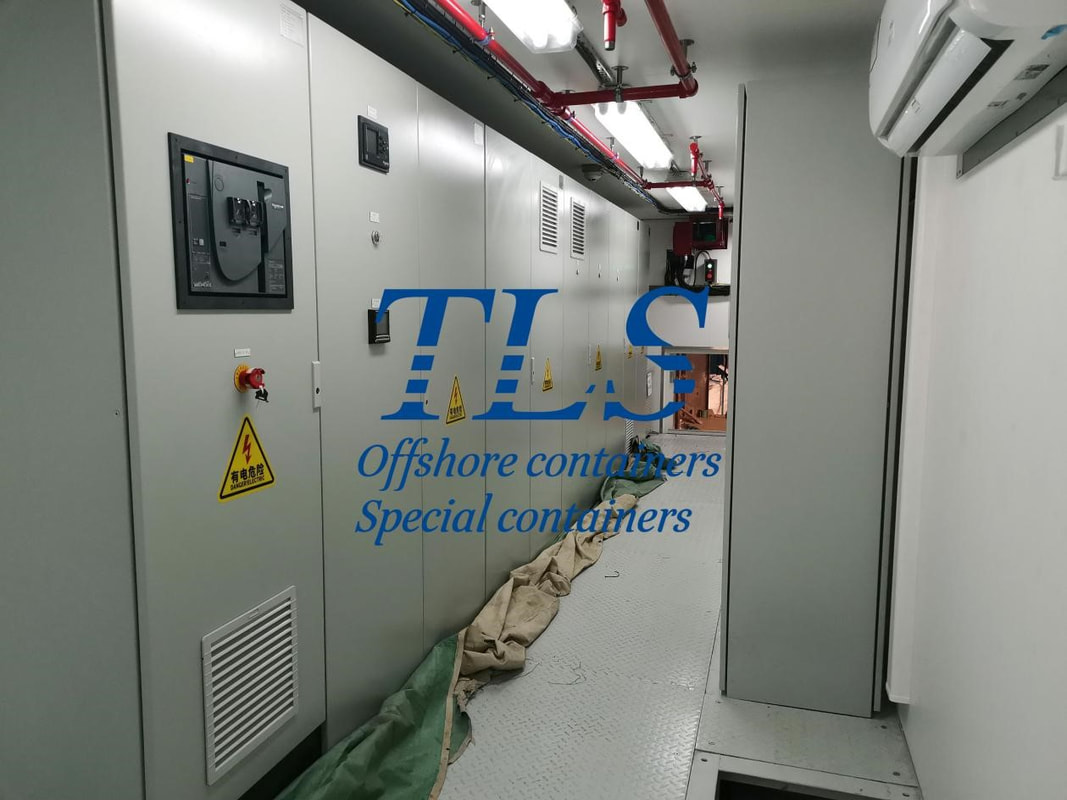
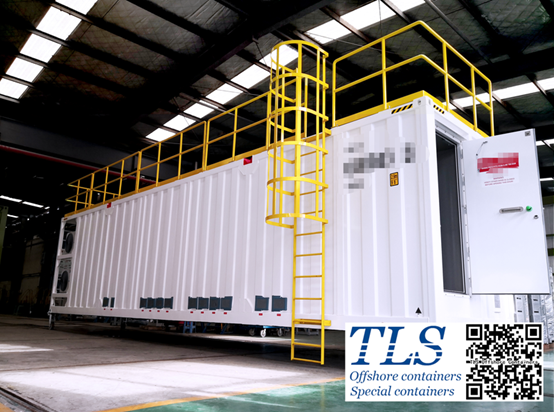
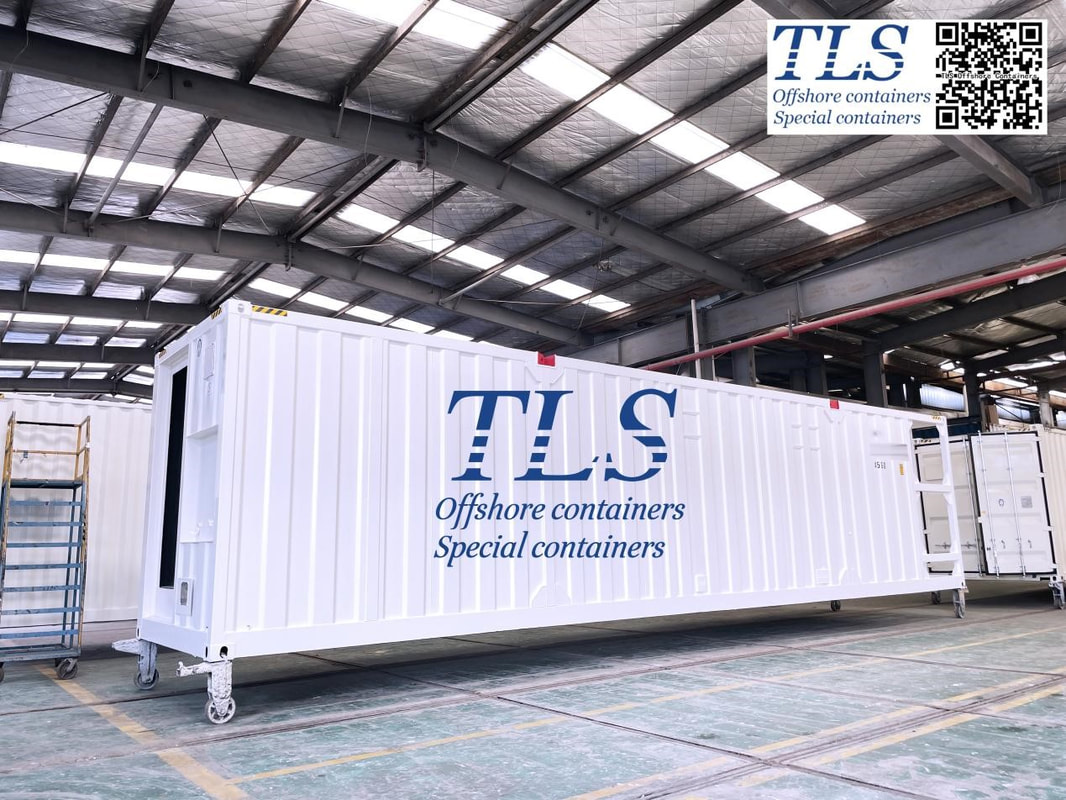
Conclusion: A60 Ex-Proof MCC shelter containers are indispensable for ensuring safety and efficiency in hazardous environments. By employing their explosion-proof construction, robust design, and compliance with international standards, these containers offer a secure and controlled environment for critical electrical equipment. Incorporating A60 Ex-Proof MCC shelter containers in hazardous facilities not only mitigates risks but also contributes to enhanced operational efficiency, regulatory compliance, and long-term cost savings. TLS Offshore Containers / TLS Special Containers is a global supplier of standard and customised containerised solutions. Wherever you are in the world TLS can help you, please contact us. Product brochures: Offshore pressurised mud logging cabin brochure MCC | Switchgear | VFD | VSD pressurised shelter #A60 Ex-Proof MCC shelter containers #Ex-Proof MCC enclosures #Hazardous environment safety solutions #Explosion-proof electrical shelters #A60 shelter container features #Hazardous location protection #Robust MCC enclosure design #Compliance with ATEX standards #Electrical equipment safety in explosive atmospheres #Ventilation and cooling systems for MCC shelters Written by OliverMCC (Motor Control Center), Switchgear, VFD (Variable Frequency Driver), and VSD (Variable Speed Driver) are critical components in industrial applications that require reliable and efficient power distribution, control, and automation. Switchgear Buildings, MCC Buildings or Electrical Houses are constructed to keep your electronic controls and switchgear safe from weather. Without a reliable structure safeguarding your equipment, they can get damaged, which can be dangerous especially when the equipment is outdoors. That's why, protecting switchgear power systems or electrical equipment with a proper Pressurised Shelter is a necessity if you want the project to be success. The pressurised shelter designed by TLS offers several advantages, including:
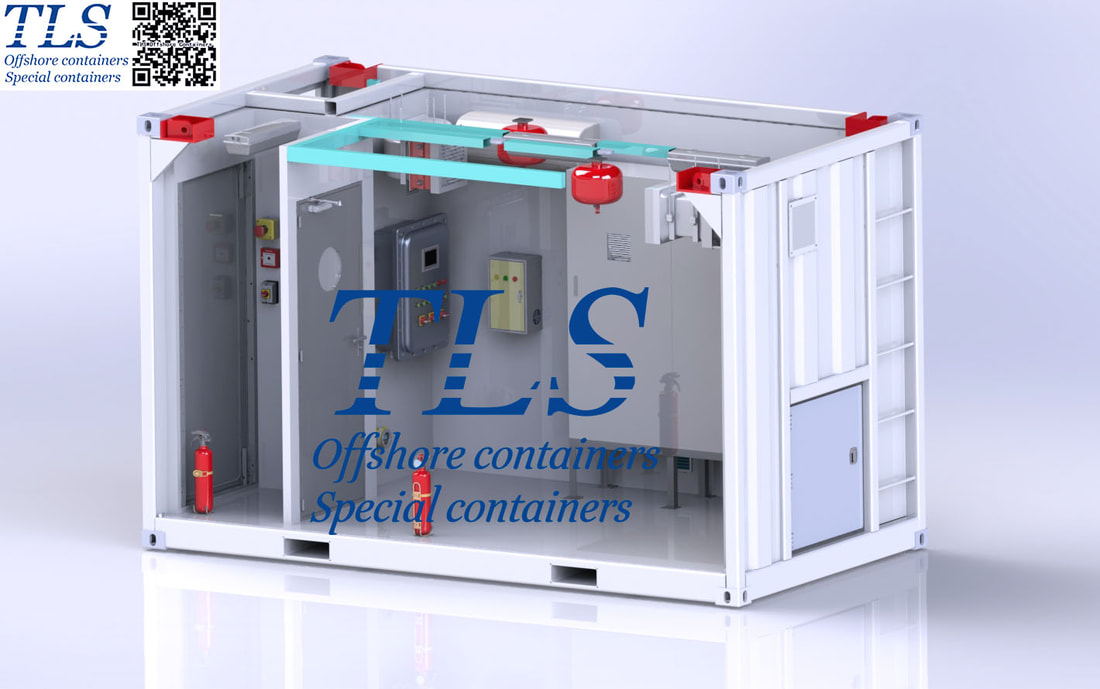
Overall, choosing an MCC, Switchgear, VFD, and VSD pressurized shelter designed by TLS can provide a reliable, efficient, and safe solution for power distribution, control, and automation needs in industrial applications. Product brochures: Offshore pressurised mud logging cabin brochure MCC | Switchgear | VFD | VSD pressurised shelter More information about offshore pressurised container/cabin Don’t hesitate to contact us for more information about the offshore pressurised container. Our skilled engineers are eager to explain the possibilities for your applications. Written by OliverPressurized containers are a feature product of TLS, these containers are designed to use a positive pressure differential to keep the environment inside the shell safe. It has important applications in many industries, especially in hazardous environments, such as oil and gas industry, chemical processing plants, etc.
Intelligent pressure vessels help ensure the safe and efficient operation of equipment such as MWD/LWD and MCC, providing a reliable and safe environment for these critical components and workers. Written by Mandy |

- Home
-
Containerised solutions
- Intelligent pressurised container | MUD logging cabin
- Battery energy storage system (BESS) container
- Flexible grid tied battery storage system
- Laboratory container | workshop container | Equipment containers
- Temporary refuge shelter | Toxic gas refuge | Safe haven
- Offshore accommodation cabin | office container
- Reefer container | Refrigerated container
- Intelligent waste water treatment container
- Fresh water generator container
- Cargo Containers
- Product photos & videos
- News & Blogs
- Contact us

|
Featured products
Intelligent pressurised container Temporary refuge (TR) shelter, toxic gas refuge (TGR) Battery energy storage system (BESS) container Containerised waste water treatment plant Fresh water generator container Reefer container Laboratory container, Workshop container Accommodation container Offshore closed container |
All Rights Reserved 2020 © TLS Offshore Containers / TLS Energy
|