|
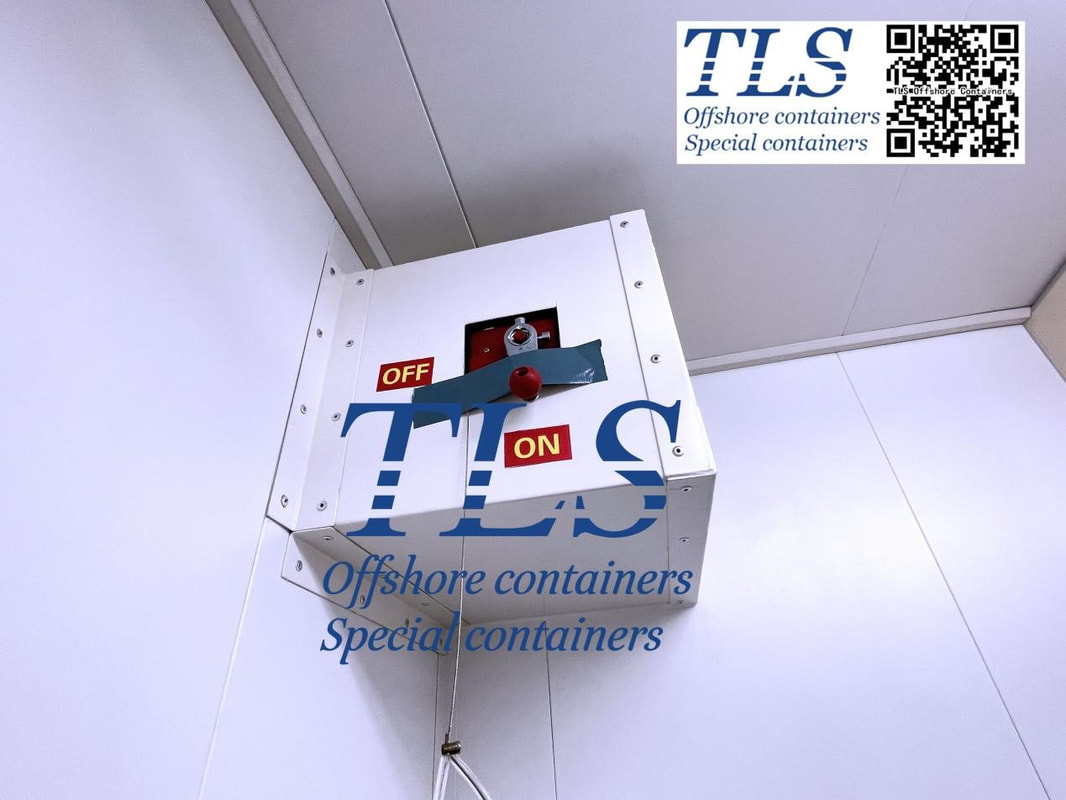
In modern scientific and medical fields, positive and negative pressure containers have become essential working environments, requiring the maintenance of clean and safe internal air. These containers are pivotal in laboratories, medical facilities, and industrial settings, isolating hazardous substances, microorganisms, and pathogens while ensuring that the internal environment meets specific requirements. In these containers, fire dampers play a critical role as fire barriers and airflow controllers, providing vital support for their proper functioning and safe usage.
#Positive pressure, #negative pressure, container, #fire dampers,#laboratories, #airflow control, #hazard prevention,
In a world that continually seeks sustainable and efficient energy solutions, TLS Offshore Containers has taken a quantum leap. We have recently developed innovative product lines designed to meet the expanding requirements of new energy containerized solutions, including BESS (Battery Energy Storage Systems) containers and hybrid hydrogen fuel cell battery containers. **BESS Containers: Pioneering Energy Storage Solutions** BESS containers are at the forefront of energy storage technology. They allow industries to store electricity during off-peak hours and utilize it during peak demand. Here's how TLS Offshore Containers are shaping the BESS landscape: 1. **Versatility**: Adaptable to various energy storage needs, from renewable energy sources like wind and solar to conventional power plants. 2. **Efficiency**: High-tech design to maximize energy retention and minimize loss. 3. **Sustainability**: Emphasizing eco-friendly materials and design, contributing to a greener future. **Hybrid Hydrogen Fuel Cell Battery Containers: The Future of Clean Energy** Hydrogen fuel cells offer an exciting alternative to traditional fossil fuels. TLS Offshore Containers has developed a hybrid container that utilizes both hydrogen fuel cells and batteries, offering a wide array of benefits: 1. **Clean Energy Source**: Hydrogen fuel cells produce only water as a byproduct, eliminating harmful emissions. 2. **Energy Integration**: The combination of batteries and fuel cells enables seamless energy transition, enhancing efficiency. 3. **Wide Application**: Suitable for various industries, from transportation to large-scale energy production. **Customized Solutions for Every Industry** What sets TLS Offshore Containers apart is our dedication to providing tailored solutions. Our new product lines are not mere one-size-fits-all; we work closely with our clients to design containers that meet specific requirements, standards, and regulatory compliances. **Investment in Innovation and Research** Our commitment to innovation goes beyond product development. TLS Offshore Containers invests in research and development, working with leading scientists and engineers to explore new horizons in energy containerization. Our focus on continuous improvement and technological advancement sets us apart as an industry leader. TLS Offshore Containers is more than just a company offering innovative products. We are part of a global movement towards a more sustainable, efficient, and clean energy future. By introducing cutting-edge BESS containers and hybrid hydrogen fuel cell battery containers, we are not only meeting the current energy demands but shaping the future of energy itself. Join us in our journey towards a better tomorrow. Explore our products, collaborate with our experts, and become part of the revolution that is TLS Offshore Containers. Together, we can create a world where energy is not just a commodity but a path to a more prosperous and sustainable future. As the global energy landscape continues to evolve, the spotlight is on electrochemical energy storage within power systems. Emerging prominently is the container-type mobile energy storage system, a versatile solution gaining traction. Let's explore the compelling reasons behind choosing these specialized containers as carriers:
Beyond these exceptional physical attributes, container-type mobile energy storage systems offer distinct performance advantages for Battery Energy Storage System (BESS) projects. Their modularity, scalability, and rapid deployment enable swift adaptation to changing energy needs. Furthermore, their portability, standardization, and integration capacities make them a reliable choice for remote, off-grid, and disaster-relief scenarios. As the global energy transformation gains momentum, containerized solutions emerge as pivotal tools, catering to the dynamic requirements of modern energy systems. From resilience to efficiency, these container solutions are at the forefront of revolutionizing energy storage integration. TLS Offshore Containers / TLS Special Containers is a global supplier of standard and customised containerised solutions. Wherever you are in the world TLS can help you, please contact us. #Container-type energy storage #Mobile energy storage solutions #Electrochemical energy storage #Battery Energy Storage System (BESS) #Global energy transformation #Power system integration #Containerized energy storage advantages #Waterproof and dustproof containers #Anti-corrosion steel containers #Load endurance testing Introduction Battery Energy Storage Systems (BESS) have gained significant attention as a key component of the transition towards sustainable energy solutions. These systems play a pivotal role in stabilizing the electrical grid, integrating renewable energy sources, and providing backup power during grid outages. One crucial aspect of BESS containers is their waterproofing, as it directly impacts the durability, safety, and performance of these energy storage units. In this article, we will delve into the importance of waterproof testing for BESS containers and its implications for the renewable energy sector. The Significance of Waterproof Testing Waterproof testing of BESS containers involves subjecting these enclosures to various water-related conditions to ensure their resilience against moisture ingress. This testing is essential for several reasons:
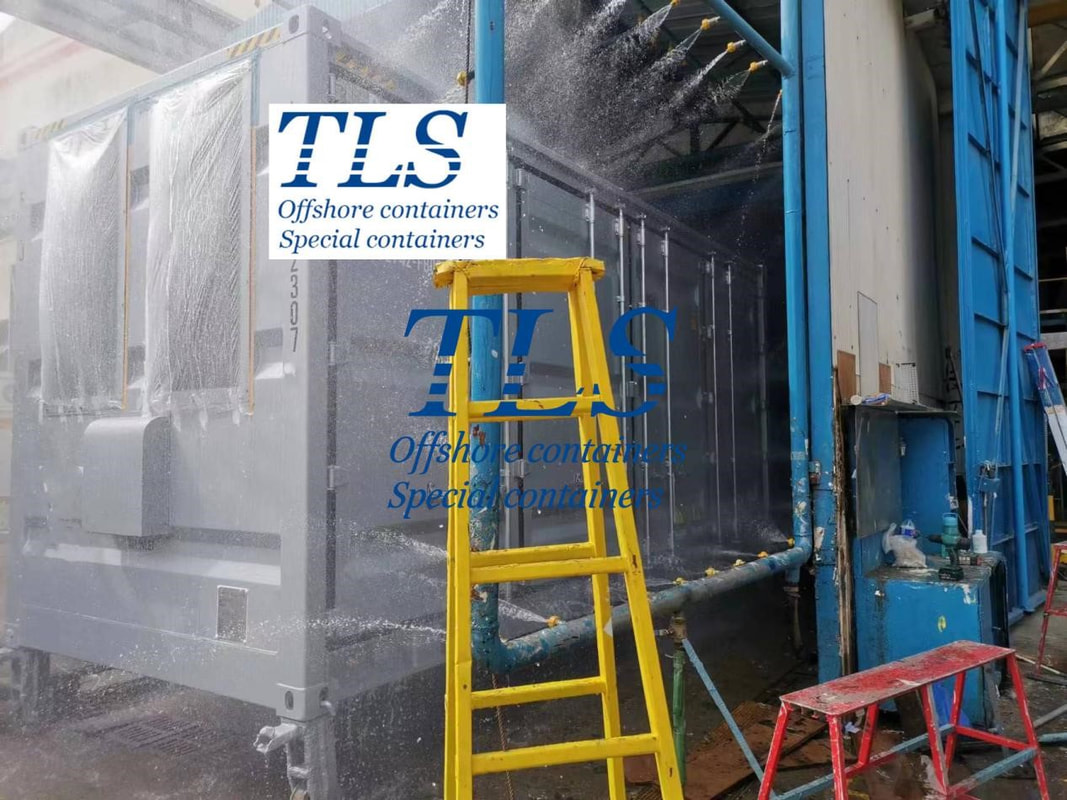
Methods of Waterproof Testing There are several methods employed to evaluate the waterproofing capabilities of BESS containers:
Implications for the Renewable Energy Sector The growth of the renewable energy sector heavily relies on the reliability and efficiency of BESS systems. Ensuring the waterproof integrity of these containers directly contributes to the sector's success by:
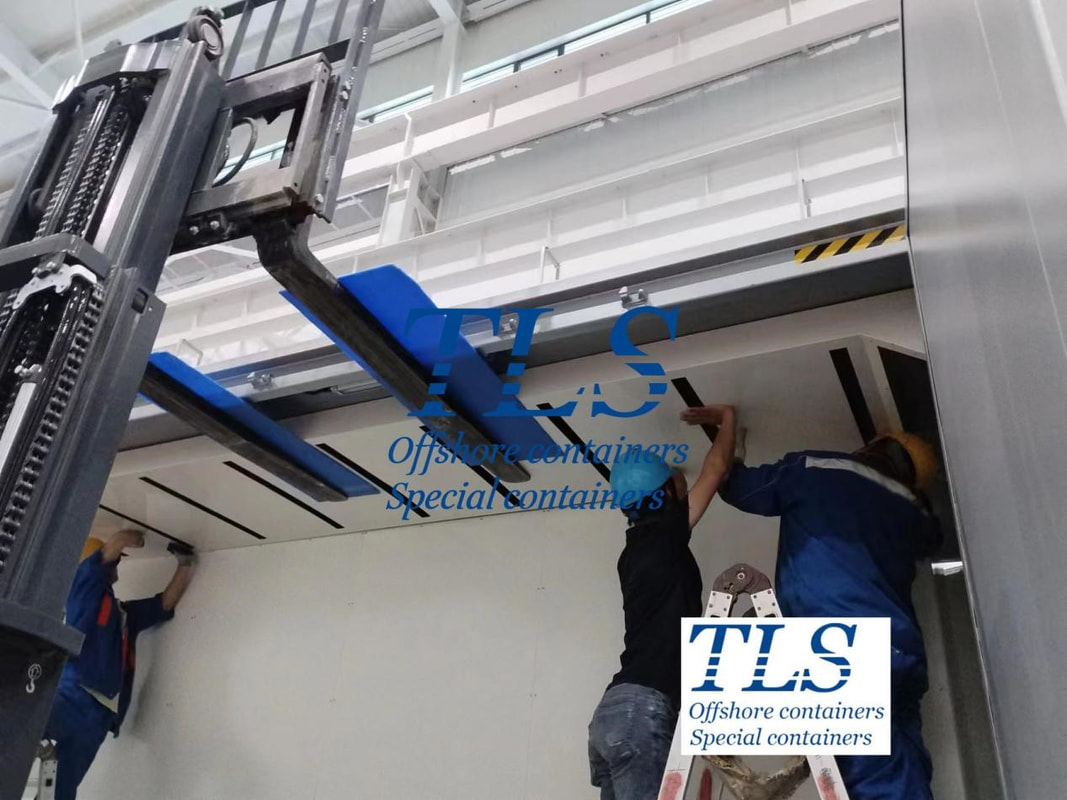
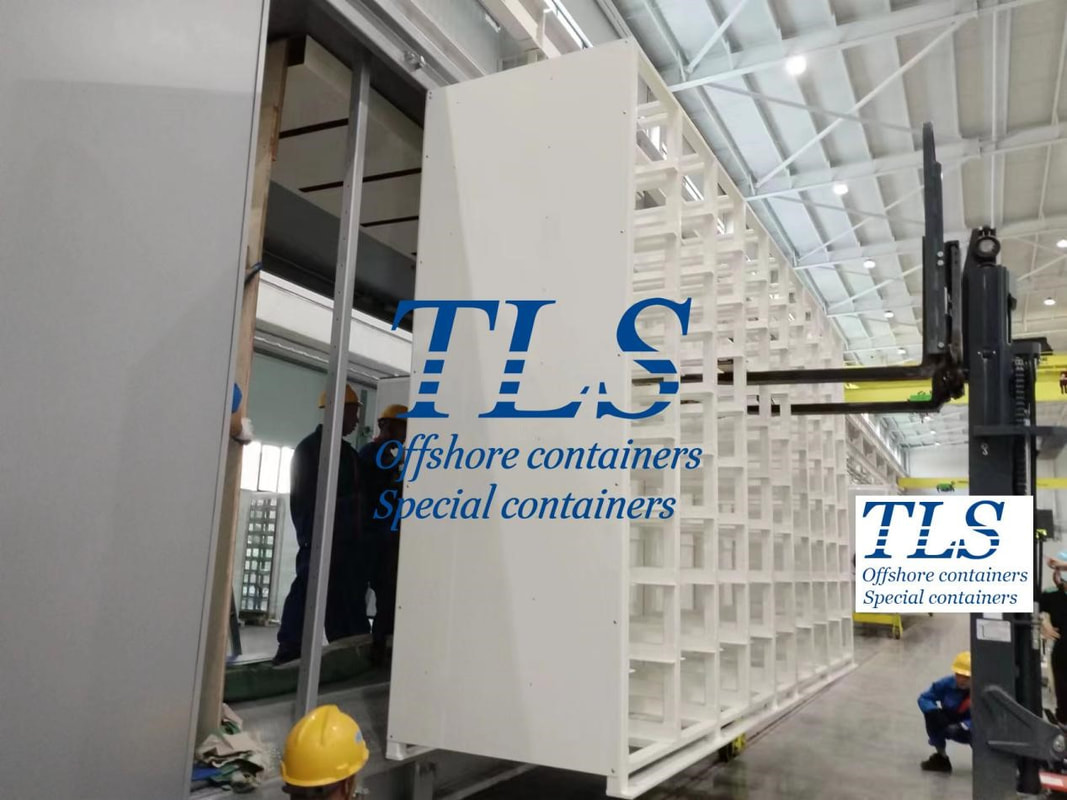
Conclusion Waterproof testing of BESS containers is a critical step in ensuring the safety, durability, and performance of energy storage systems. As the renewable energy sector continues to grow, maintaining the reliability of BESS units becomes paramount. Rigorous testing methods, adherence to standards, and a commitment to waterproofing will collectively drive the integration of clean energy sources and propel us toward a more sustainable future. TLS Offshore Containers / TLS Special Containers is a global supplier of standard and customised containerised solutions. Wherever you are in the world TLS can help you, please contact us. #BESS container waterproofing #Battery Energy Storage Systems waterproof testing #Waterproofing methods for energy storage systems #BESS enclosure waterproof assessment #Waterproof integrity of BESS units #Waterproof testing standards for energy storage #BESS container moisture protection #Waterproof evaluation for battery storage #Waterproofing solutions for renewable energy systems #Importance of waterproof testing in BESS Written by OliverAs the world increasingly shifts toward sustainable energy solutions, Battery Energy Storage Systems (BESS) have emerged as a vital component in the renewable energy landscape. These BESS containers store energy for later use, making it crucial to optimize their setup for maximum efficiency and longevity. One critical aspect of setting up a BESS container is the installation of racks and air ducts, which ensure the proper functioning and cooling of the battery system. In this article, we'll provide a comprehensive step-by-step guide on how to install racks and air ducts in a BESS container. Step 1: Safety Precautions Before starting the installation process, prioritize safety. Wear appropriate personal protective equipment (PPE), such as gloves and safety goggles, to safeguard yourself during the installation. Make sure to follow all safety guidelines provided by the container manufacturer and adhere to local safety regulations. Step 2: Planning and Design Proper planning and design are crucial to ensure the efficiency and functionality of the BESS container. Review the manufacturer's specifications and guidelines for the layout and design of the racks and air ducts. Consider factors such as battery size, airflow requirements, and access for maintenance. Create a detailed layout plan before proceeding to the installation phase. Step 3: Prepare the Container Prepare the BESS container for installation by cleaning and clearing the interior space. Remove any debris or obstacles that could hinder the installation process. Verify that the container floor is level and clean to facilitate the proper positioning of racks and air ducts. Step 4: Installing the Racks Racks serve as the support structure for the battery modules, providing stability and organization within the container. Follow these steps to install the racks properly:
Step 5: Installing the Air Ducts Air ducts play a vital role in maintaining the BESS container's temperature by facilitating proper ventilation and cooling. Here's how to install air ducts effectively:
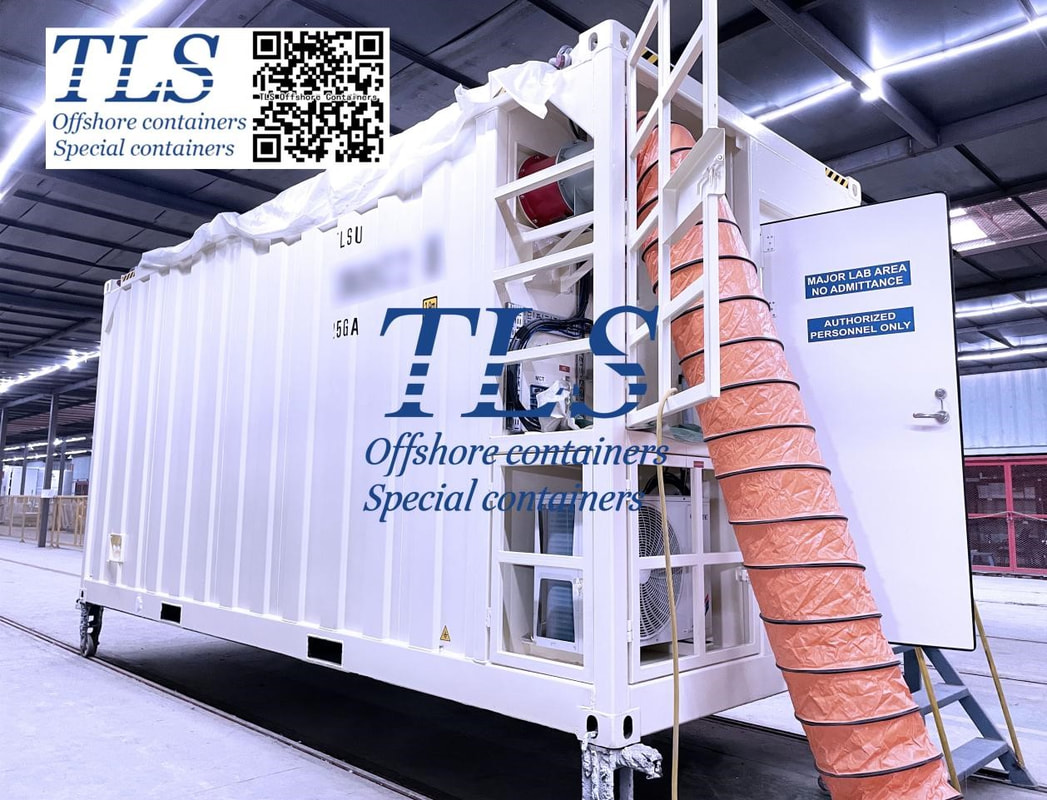
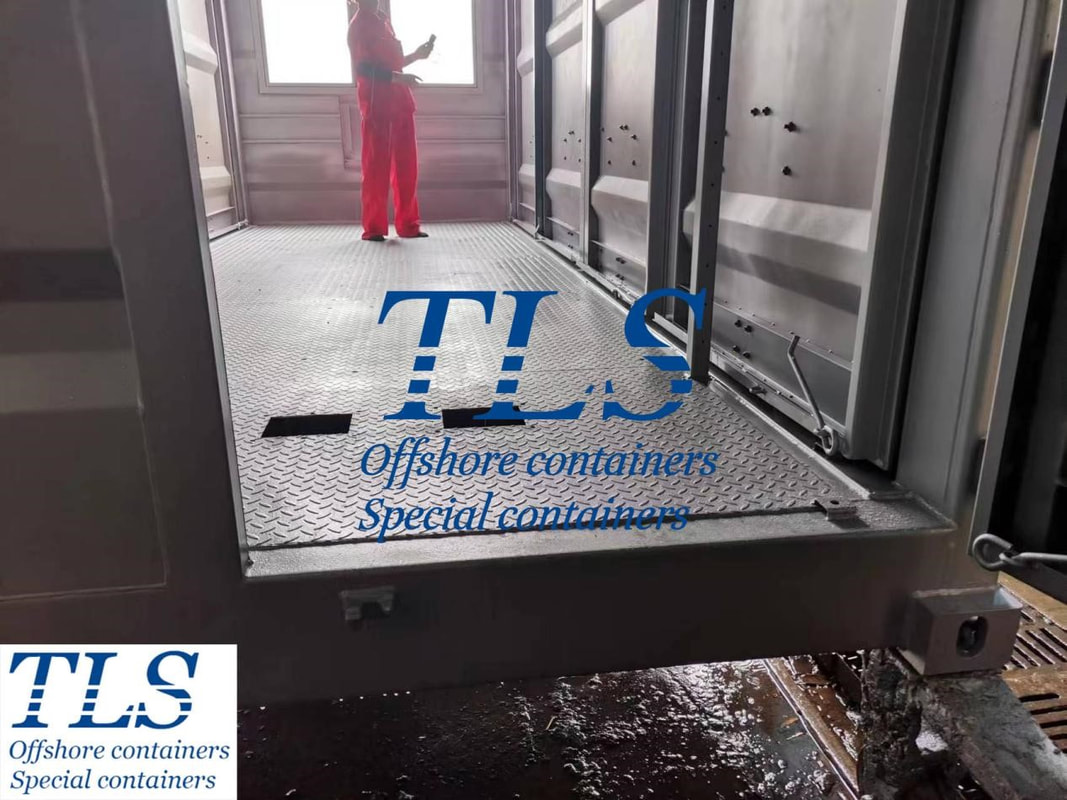
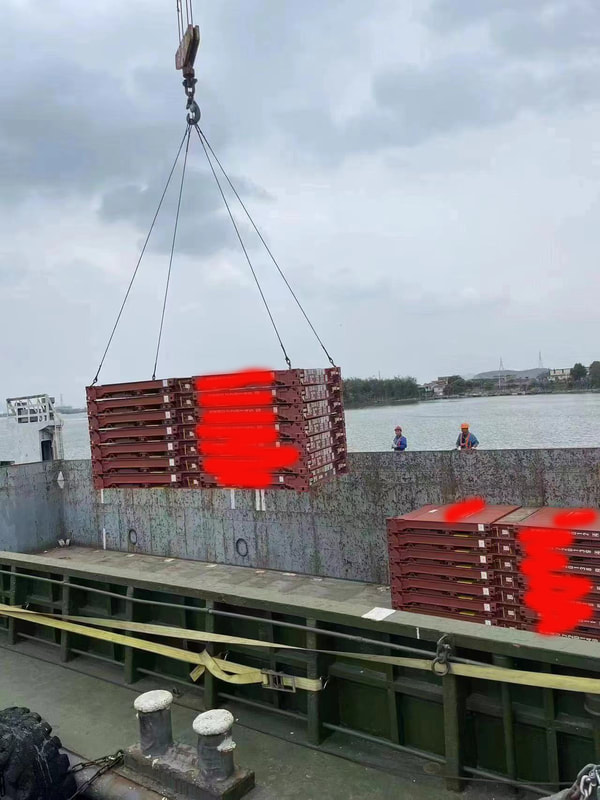
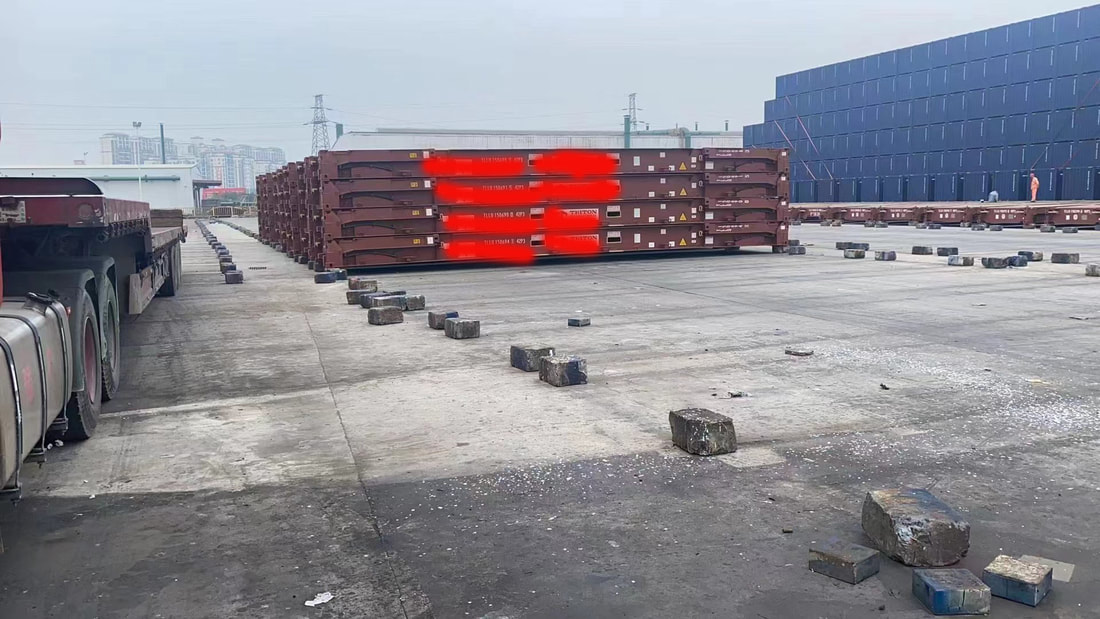
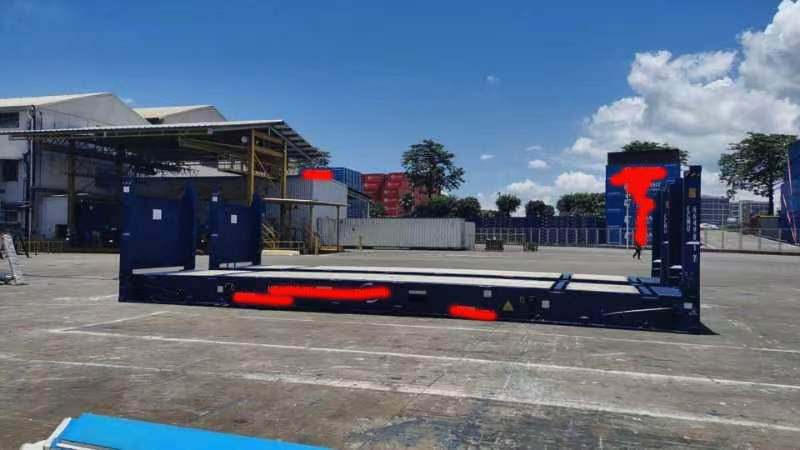
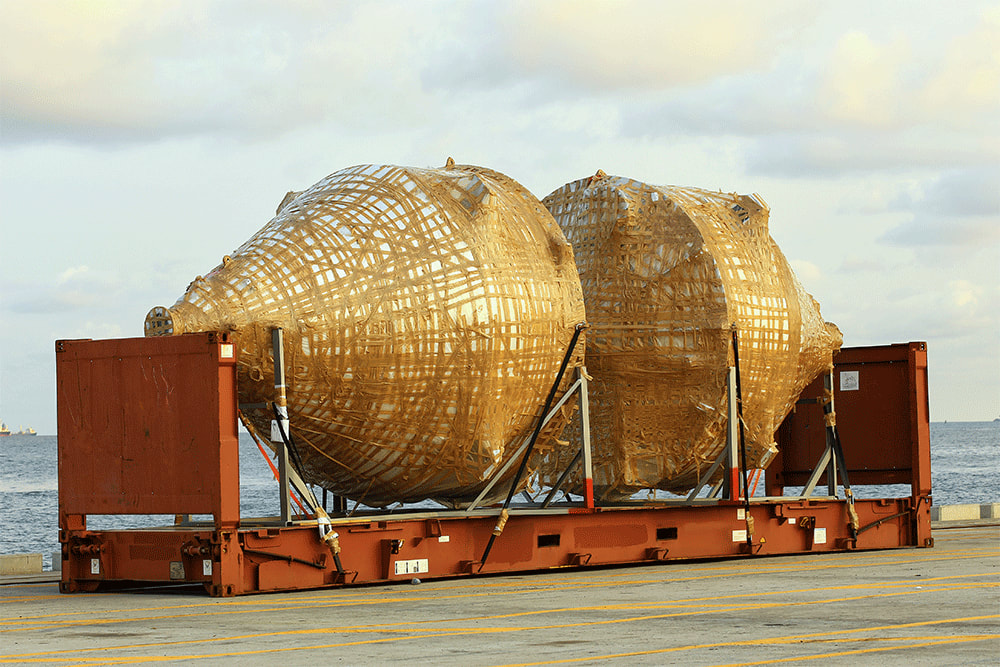
Step 6: Testing and Quality Assurance After the installation of racks and air ducts is complete, conduct thorough testing to verify the system's efficiency and safety. Test the battery modules' connections, the effectiveness of the air ducts, and the proper functioning of the ventilation fans. Address any issues identified during testing promptly. Step 7: Regular Maintenance To ensure the BESS container's long-term performance, establish a regular maintenance schedule. Inspect the racks and air ducts periodically to identify and address any signs of wear, damage, or inefficiency. Clean the air ducts and fans regularly to prevent dust and debris buildup, which can obstruct airflow and decrease cooling effectiveness. In conclusion, the proper installation of racks and air ducts is critical to the functionality and longevity of a BESS container. By following this step-by-step guide and adhering to the manufacturer's guidelines, you can optimize the performance of your BESS container, contributing to a more sustainable and efficient energy storage solution. TLS Offshore Containers / TLS Special Containers is a global supplier of standard and customised containerised solutions. Wherever you are in the world TLS can help you, please contact us. Regarding the Battery Energy Storage System (BESS) container, please download Energy Storage System (ESS) Containers brochure for reference. #BESS container #Battery Energy Storage Systems #BESS installation #Rack installation #Air duct installation #Renewable energy storage #Energy storage solutions #Sustainable energy solutions #Battery modules #Ventilation fans Written by OliverIn the world of international shipping, efficiency and versatility are key. That's where TLS Offshore Container International steps in, offering a range of innovative solutions designed to meet the most complex shipping needs. Among our standout products is the flatrack container, a game-changer for businesses dealing with out-of-gauge (OOG) cargo. Flatrack containers are unique in their design, featuring walls or support posts only at the ends. This allows for easy loading of cargo from the top and sides, making them an ideal choice for large or awkwardly shaped items that won't fit into standard containers. But what sets TLS Offshore's flatrack containers apart? **Unparalleled Versatility** Our flatrack containers are designed to accommodate a wide range of cargo types. Whether you're shipping bundled pipe, machinery, or any other large items, our flatracks offer the flexibility you need. They're not just for OOG cargo, either. Even items that could fit into a standard container can be loaded onto a flatrack if it's more convenient. **Superior Security** At TLS Offshore, we understand that the safety of your cargo is paramount. That's why our flatrack containers are equipped with multiple securement points, allowing for the use of lashing straps to ensure your cargo stays firmly in place during transit. **Efficient Shipping Options** Flatrack containers can be stacked on top of each other, making them a space-efficient choice for shipping. They're also compatible with lift-on/lift-off (Lo/Lo) services, providing more flexibility in terms of shipping schedules and costs. **Reliable Availability** With the current global shortage of standard containers, flatracks are becoming an increasingly popular alternative. At TLS Offshore, we're committed to meeting this demand, ensuring that our customers always have access to the shipping solutions they need. In conclusion, if you're looking for a versatile, efficient, and reliable shipping solution, look no further than the flatrack containers from TLS Offshore Container International. With our commitment to quality and customer satisfaction, we're here to help you navigate the complexities of international shipping with ease. Contact us today to learn more about our flatrack containers and how they can benefit your business. In the challenging environment of offshore operations, efficiency, safety, and durability are paramount. TLS Offshore Containers International, a leading name in the industry, has designed and manufactured a state-of-the-art standard offshore laboratory container that is revolutionizing offshore operations. The TLS Offshore Containers International's laboratory container is equipped with advanced features like air lock doors to maintain pressure loss inside the container, ensuring a safe and controlled environment for sensitive operations. The negative pressure inside the container further enhances the safety measures, making it an ideal choice for offshore laboratories. One of the standout features of this container is its well-designed bench worktops. These worktops provide ample space for various operations, making it a versatile addition to any offshore operation. Alongside, the container also includes storage furniture both under and over the bench for consumables, ensuring maximum utilization of space and easy accessibility. Understanding the need for temperature-controlled storage in offshore laboratories, the container is fitted with a fridge/freezer. This feature allows for the safe storage of temperature-sensitive materials, adding to the container's utility. Safety is a top priority in offshore operations, and the inclusion of a fume hood in the container design is a testament to this. The fume hood helps control exposure to hazardous fumes, ensuring a safe working environment. The container also boasts a ventilation system and a sink with a water supply, making it a self-contained unit that caters to all the needs of an offshore laboratory. The electrics and lighting are designed to be explosion-proof, including the air-conditioner, lighting, and control panel, ensuring safety in the volatile offshore environment. The container's design is completed with anti-slip flooring and sockets, further enhancing its functionality and safety. Finally, the container comes with offshore certification (CSC plated, DNV2.7-1 / EN12079), providing assurance of its quality, safety, and compliance with industry standards. In conclusion, the standard offshore laboratory container designed and manufactured by TLS Offshore Containers International is a game-changer in the industry. Its thoughtful design, safety features, and compliance with industry standards make it an essential addition to offshore operations. Experience the revolution in offshore operations with TLS Offshore Containers International's standard offshore laboratory container. --- Keywords: Offshore operations, TLS Offshore Containers International, Standard Offshore Laboratory Container, Safety, Efficiency, Offshore Laboratories, Industry Standards. 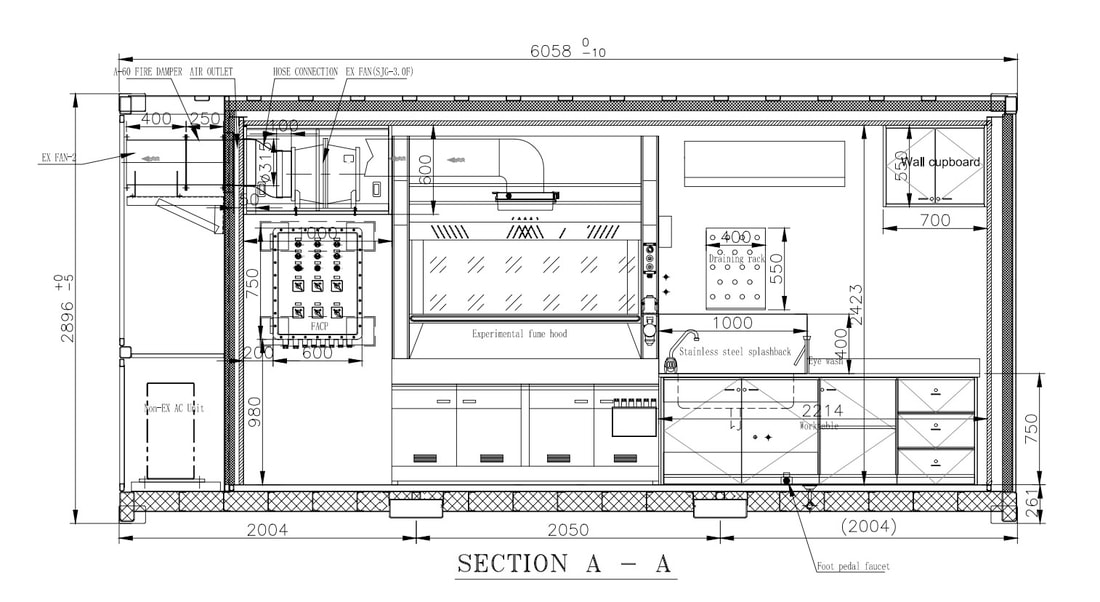 |

- Home
-
Containerised solutions
- Intelligent pressurised container | MUD logging cabin
- Battery energy storage system (BESS) container
- Flexible grid tied battery storage system
- Laboratory container | workshop container | Equipment containers
- Temporary refuge shelter | Toxic gas refuge | Safe haven
- Offshore accommodation cabin | office container
- Reefer container | Refrigerated container
- Intelligent waste water treatment container
- Fresh water generator container
- Cargo Containers
- Product photos & videos
- News & Blogs
- Contact us
|
Featured products
Intelligent pressurised container Temporary refuge (TR) shelter, toxic gas refuge (TGR) Battery energy storage system (BESS) container Containerised waste water treatment plant Fresh water generator container Reefer container Laboratory container, Workshop container Accommodation container Offshore closed container |
All Rights Reserved 2020 © TLS Offshore Containers / TLS Energy
|