|
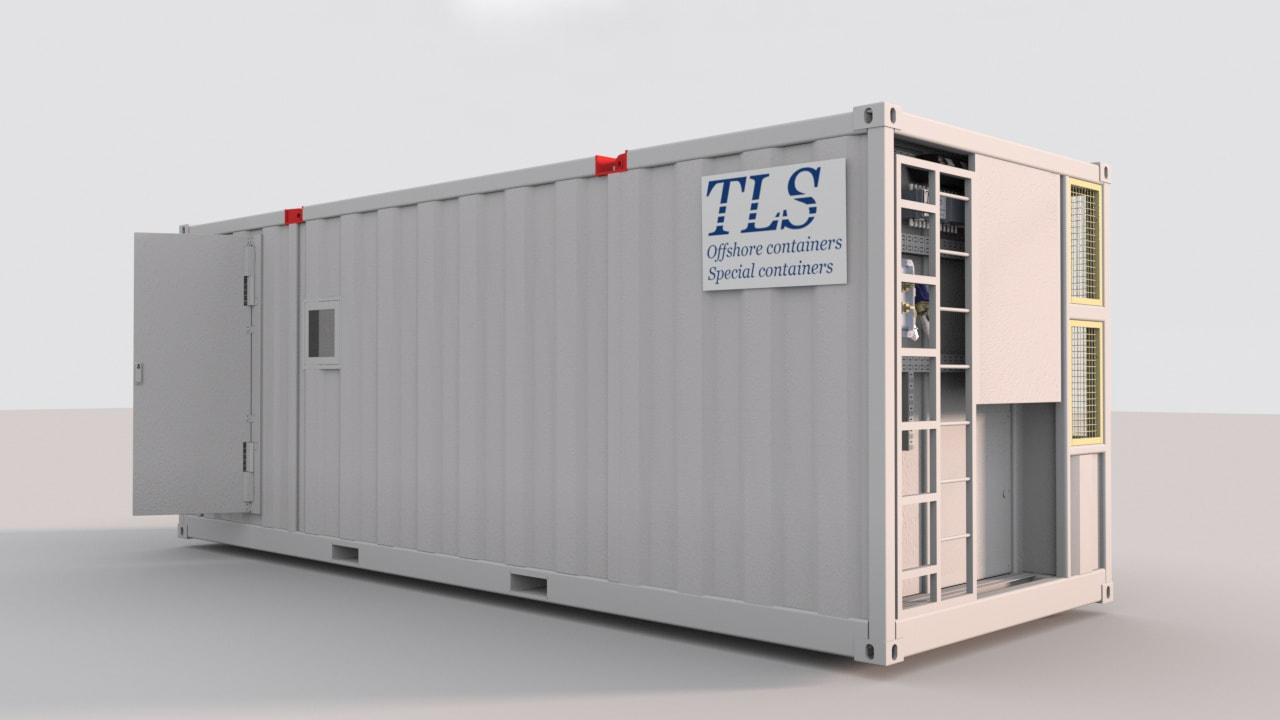
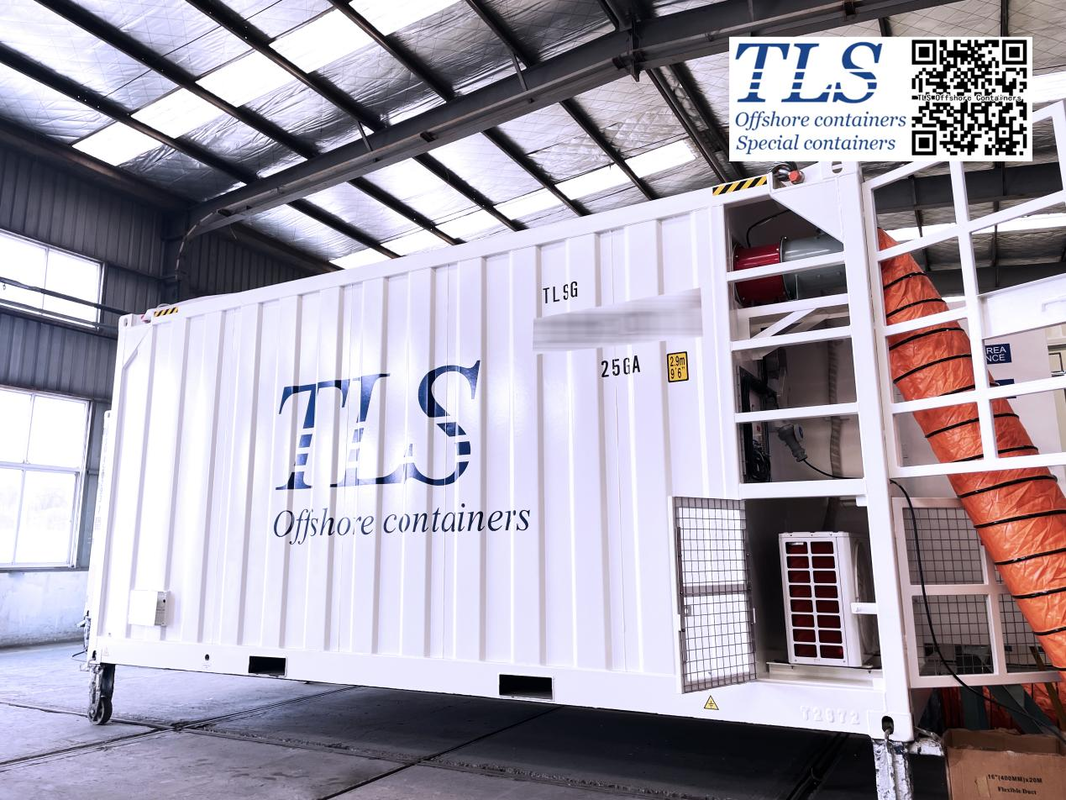
In the relentless pursuit of offshore safety and efficiency, TLS Offshore Containers emerges as a beacon of reliability and innovation. Central to their arsenal of offerings are Positive Pressurised Containers, meticulously crafted to mitigate risks and ensure a secure environment in the most challenging offshore conditions. Let's delve deeper into the features and applications of TLS Positive Pressurised Containers, and how they elevate offshore safety to unprecedented levels. ### Understanding Positive Pressurised Containers Positive Pressurised Containers are the backbone of offshore safety, engineered to maintain internal pressure higher than the surrounding environment. This critical differential acts as a barrier against the ingress of explosive gases, safeguarding both personnel and sensitive equipment. TLS Positive Pressurised Containers stand out for their robust construction, advanced safety features, and compliance with rigorous industry standards. ### Advanced Safety Features 1. **Fire and Gas Detection Systems:** TLS Positive Pressurised Containers are equipped with cutting-edge fire and gas detection systems, providing early warning alerts to swiftly mitigate potential hazards. 2. **Compliance with Industry Standards:** These containers adhere to stringent safety standards such as ATEX, IECEx, and NFPA, ensuring optimal performance and reliability. 3. **Durable Construction:** Built to withstand the harsh offshore environment, TLS containers are constructed with high-quality materials to ensure long-term durability and resilience. 4. **Continuous Pressure Monitoring:** TLS containers feature continuous pressure monitoring systems, ensuring optimal pressure levels are maintained at all times. ### Applications Across Offshore Ventures TLS Positive Pressurised Containers find versatile applications across a spectrum of offshore operations: 1. **MUD Logging Units:** Vital for monitoring and analyzing drilling fluids, TLS containers provide a safe environment for critical well integrity assessments. 2. **Living Quarters:** TLS containers offer secure and comfortable living spaces for offshore personnel, fostering morale and well-being during extended offshore stays. 3. **Laboratories:** Ideal for safe sample handling and analysis in hazardous environments, TLS containers support essential research and data collection efforts. ### Elevating Offshore Safety and Efficiency With TLS Positive Pressurised Containers, offshore operators experience a seamless blend of safety, reliability, and efficiency. These containers not only protect personnel and equipment but also empower operators to maximize productivity and achieve operational excellence in challenging offshore environments. ### A Testament to Reliability and Excellence Backed by years of industry expertise and a proven track record, TLS Offshore Containers has earned the trust of offshore operators worldwide. Their Positive Pressurised Containers are a testament to reliability, delivering on the promise of safety and performance in the most demanding offshore conditions. ### Partnering for a Secure Future In the ever-evolving landscape of offshore operations, TLS Offshore Containers stands as a trusted partner, dedicated to enhancing safety, reliability, and efficiency. By leveraging the advanced features and unmatched performance of TLS Positive Pressurised Containers, offshore ventures can navigate hazardous environments with confidence, knowing that TLS has their safety and success at heart. For more information on TLS Positive Pressurised Containers and how they can elevate your offshore operations, visit [TLS Offshore Containers](https://www.tls-containers.com/pressurised-container.html). Maximizing Efficiency and Safety in Energy Storage: The Crucial Role of Thermal Management3/27/2024
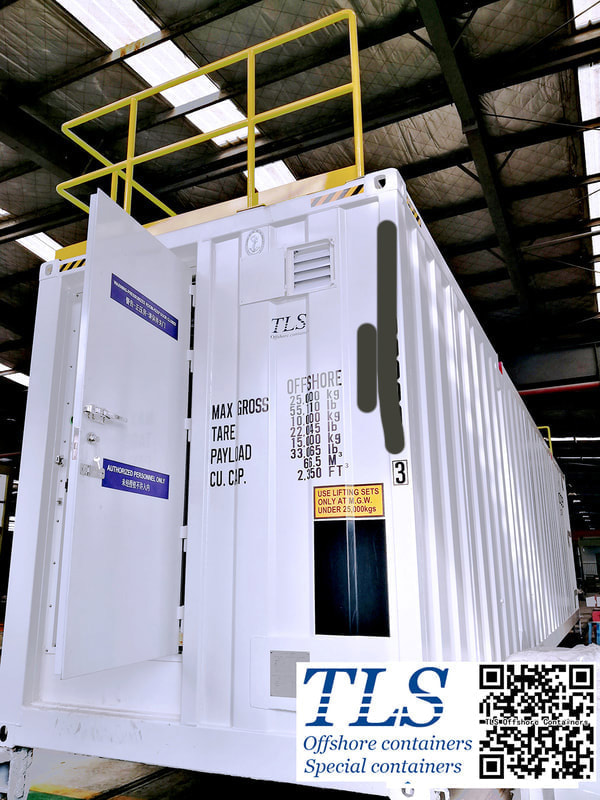
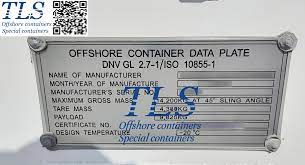
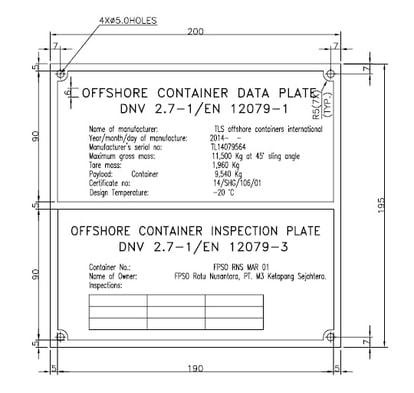
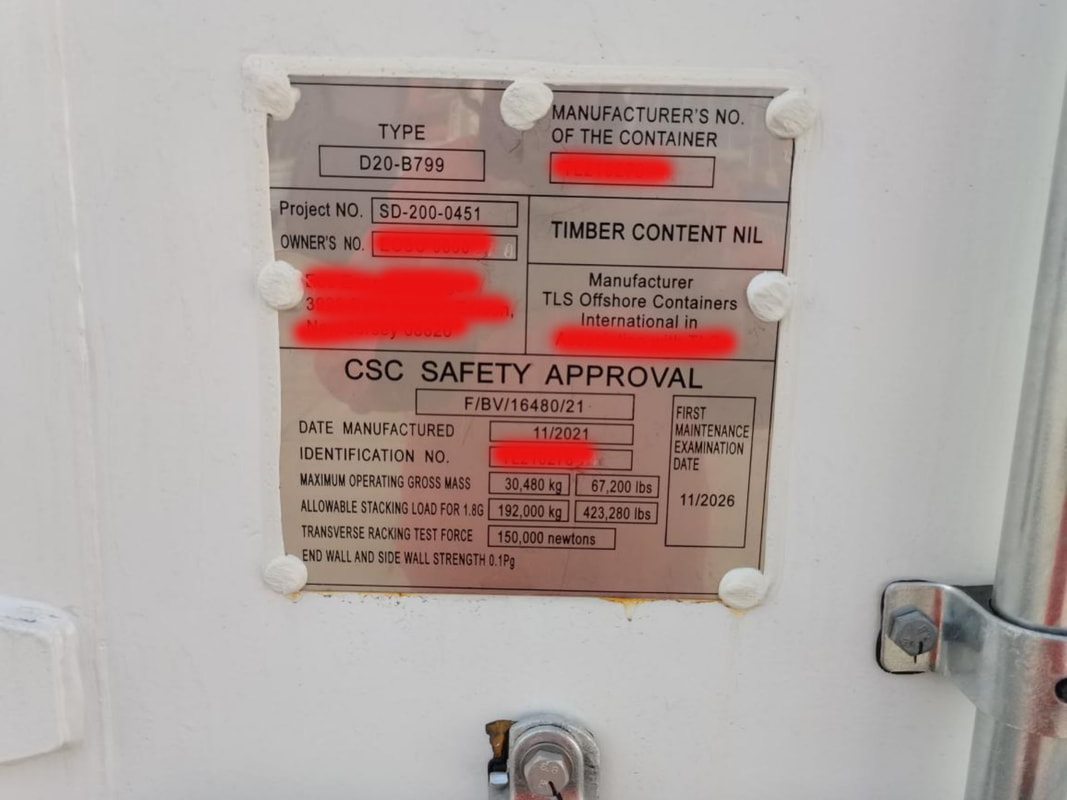
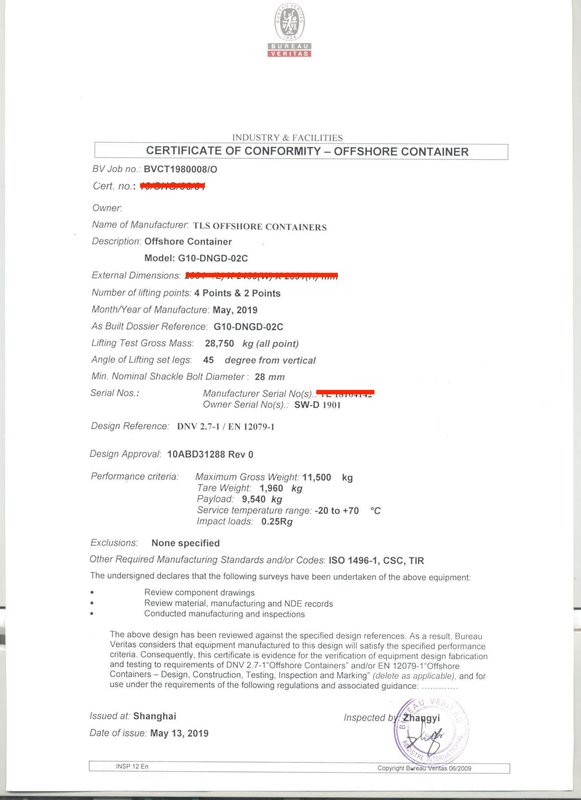
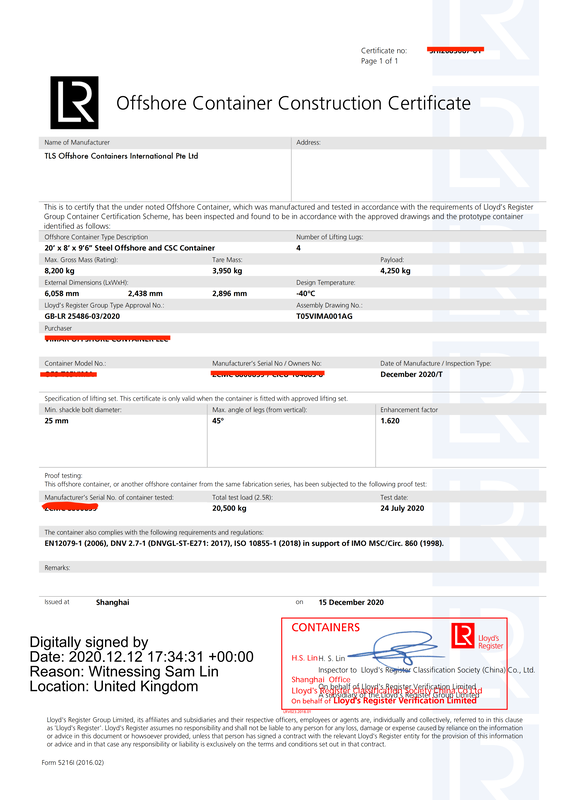
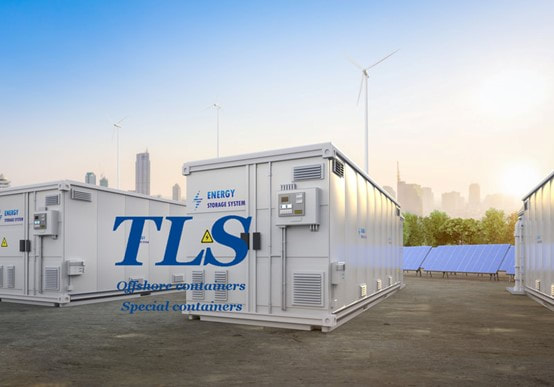
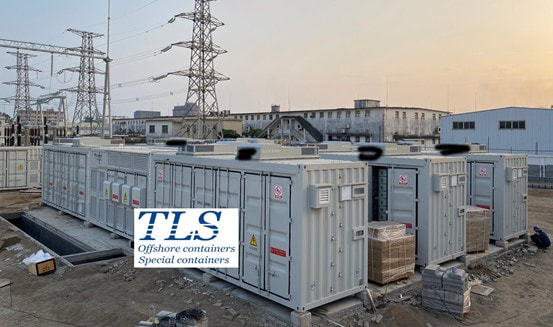
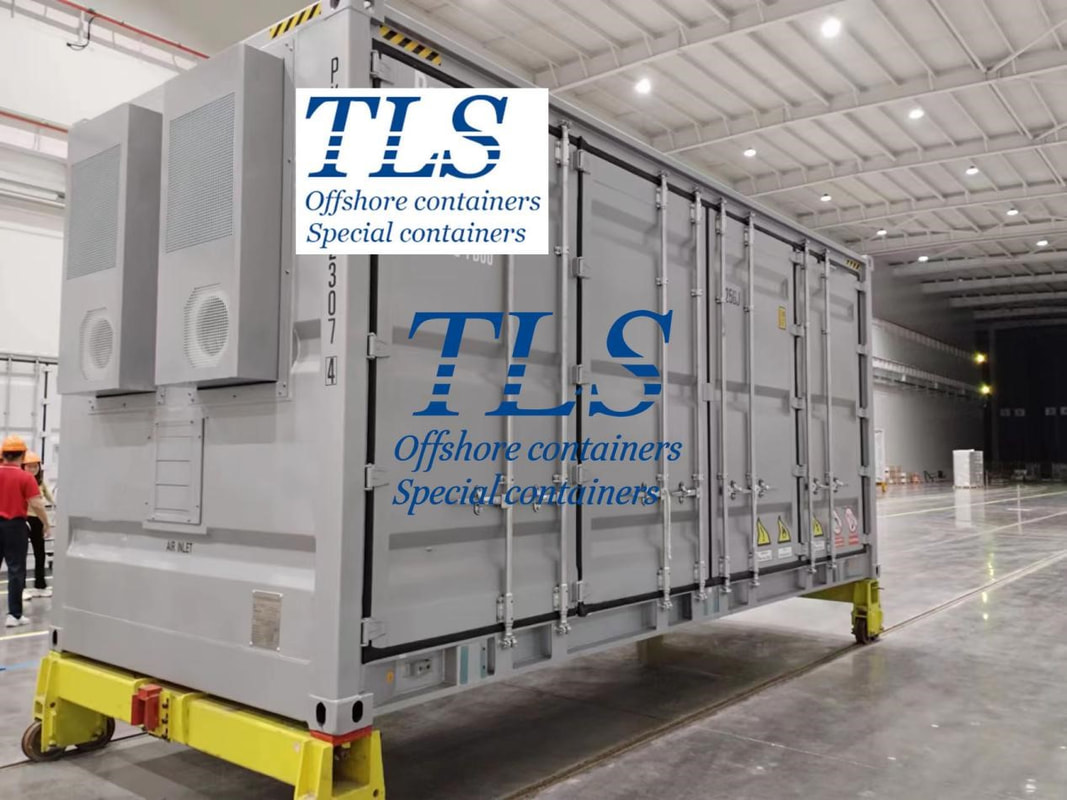
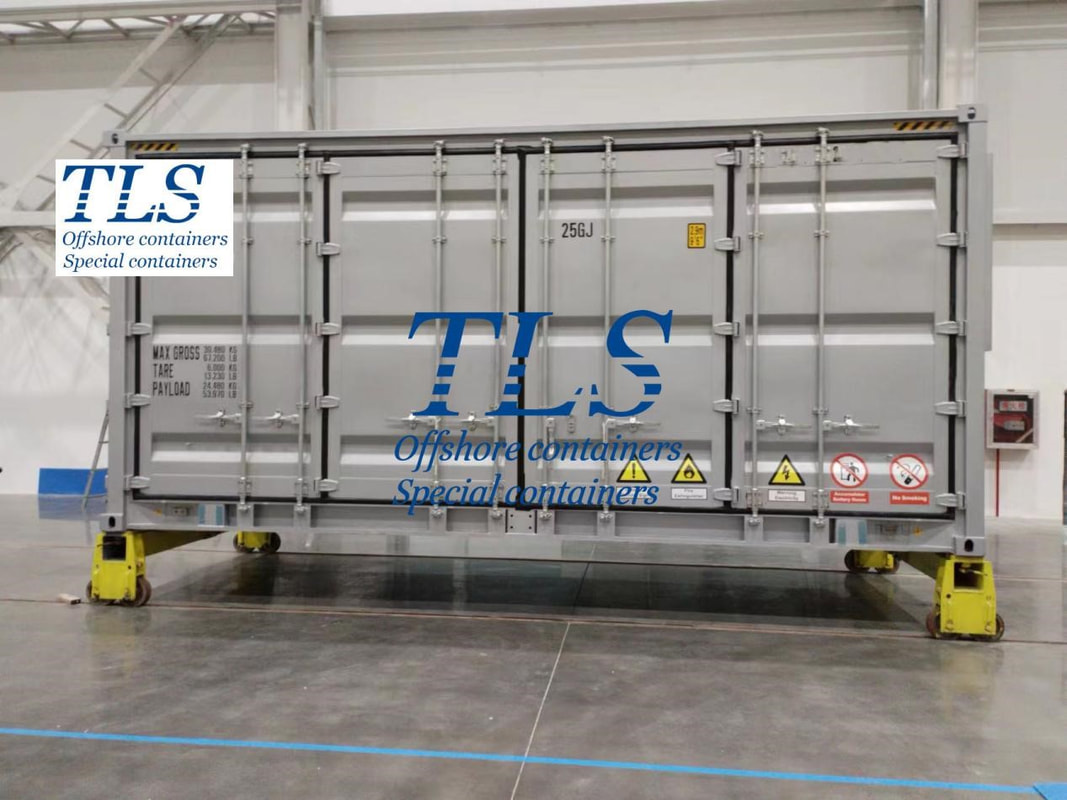
In the quest for sustainable development and meeting the escalating demands for energy, the innovation and research in energy storage technology have taken center stage in the new energy sector. Notably, Battery Energy Storage Systems (BESS) stand out for their high efficiency, renewable nature, and environmental benefits. Yet, the performance and longevity of energy storage solutions, including lithium-ion, lead-acid, and cutting-edge solid-state batteries, are significantly impacted by temperature. This highlights the indispensable need for proficient thermal management within energy storage systems. Understanding the Need for Thermal Management in Energy Storage Energy storage devices undergo thermal fluctuations during the charging and discharging cycles, generating heat that, if not effectively dissipated, can elevate battery temperatures to detrimental levels. Such scenarios not only degrade battery performance but also elevate the risk of thermal runaway, fires, or explosions. Implementing robust thermal management practices ensures batteries operate within their optimal temperature range, enhancing energy utilization, extending service life, and mitigating potential safety hazards. Mechanisms of Thermal Management in Energy Storage A comprehensive thermal management system encompasses thermal sensors, cooling systems (leveraging either liquid or gas mediums), heat exchangers, and control units, among other components: - **Sensors** play a pivotal role in monitoring individual cell temperatures within the battery pack, feeding real-time data to the control unit for optimal thermal regulation. - **Cooling Mediums** are selected based on their thermal conductivity, safety, and cost-effectiveness, with air cooling, liquid cooling (such as water/glycol mixtures), and phase change materials being prevalent choices. - **Heat Exchangers** facilitate the transfer of heat from the batteries to the cooling medium, ensuring rapid and efficient heat dissipation. - **Control Units** dynamically adjust cooling system operations based on sensor data, maintaining battery operations within the ideal temperature range for maximum efficiency and safety. The Significance of Optimal Temperature Regulation The optimal temperature range for the majority of batteries is approximately 20°C to 25°C, albeit with variations across different types and manufacturers. Within this thermal window, batteries can achieve peak performance, characterized by stable and uniform chemical reactions, low self-discharge rates, and thereby, high energy efficiency and extended lifespan. Thermal Management Technologies: Passive vs. Active Cooling - **Passive Cooling Technologies** rely on natural heat dissipation processes, such as conduction, radiation, and convection, without external energy input. Insulating materials and heat sinks are commonly utilized to achieve passive cooling. - **Active Cooling Technologies** enhance heat removal through external energy sources, including fans and liquid pumps, offering a more controlled temperature management solution, especially under conditions of high operational loads or ambient temperatures. Environmental and Cost Implications of Thermal Management Systems Efficient thermal management systems not only curb energy loss attributable to excessive heat but also boost the overall energy efficiency of storage systems. This leads to reduced maintenance and replacement expenses, prolongs battery lifespan, and minimizes waste, contributing to environmental sustainability. Additionally, the integration of energy-efficient and sustainable materials in thermal management designs emphasizes a commitment to eco-friendly practices. By advancing thermal management techniques, the energy storage sector can significantly improve the performance, safety, and environmental footprint of battery systems, marking a pivotal step toward achieving a sustainable energy future. A Battery Management System (BMS) is a technology dedicated to supervising a battery pack, a configuration of battery cells organized in a matrix of rows and columns for electrical arrangement. This setup enables the provision of a target range of voltage and current over a period for anticipated load situations. The supervision offered by a BMS typically includes: - Monitoring the entire battery pack - Providing battery protection - Estimating the battery's operational state - Continuously optimizing battery performance - Reporting operational status to external devices however, monitoring and control functions specifically apply to individual cells or groups within the battery pack, known as modules. Lithium-ion rechargeable batteries, known for their high energy density, are the standard choice for battery packs in a wide range of consumer goods from laptops to electric vehicles. While they perform excellently, lithium-ion batteries can be unforgiving if operated outside their typically stringent Safety Operating Area (SOA), with consequences ranging from degraded battery performance to outright dangerous outcomes. The job description of a BMS undoubtedly presents challenges, with its overall complexity and supervision scope potentially involving multiple disciplines such as electrical, digital, control, thermal, and hydraulic engineering. How Does a Battery Management System Work? There is no fixed or unique standard that a Battery Management System must adhere to. The technical design scope and features implemented are typically related to: - The battery pack's cost, complexity, and size - The application of the battery and any concerns regarding safety, lifespan, and warranty - Certification requirements of various governmental regulations, where the costs and penalties are crucial if functional safety measures are not in place BMS designs encompass many functionalities, with battery pack protection management and capacity management being two fundamental aspects. This article discusses how these two functionalities work. Battery pack protection management covers two key areas: electrical protection, which means preventing damage to the battery by not allowing it to be used outside of its SOA, and thermal protection, which involves passive and/or active temperature control to maintain or bring the battery pack into the SOA. Types of Battery Management Systems Battery Management Systems vary from simple to complex and can adopt different technologies to fulfill their primary directive of “caring for the battery.” However, these systems can be categorized based on their topology, which relates to how they are installed and operate across the battery or modules within the entire battery pack. The Importance of Battery Management Systems In BMS, functional safety is paramount. Preventing any battery or module under supervision control from exceeding specified SOA limits for voltage, current, and temperature during charging and discharging operations is crucial. Exceeding these limits for any length of time can not only affect the potentially expensive battery pack but may also result in dangerous thermal runaway conditions. Furthermore, for the protection of lithium-ion batteries and functional safety, lower voltage threshold limits are strictly monitored. If lithium-ion batteries remain in such a low voltage state, copper dendrites may eventually grow on the anode, which can increase the self-discharge rate and pose potential safety issues. The high energy density of lithium-ion power systems comes with the cost of having virtually no room for errors in battery management. Thanks to BMS and improvements in lithium-ion batteries, it is one of the most successful and safest battery chemistries available today. Benefits of a Battery Management System A complete battery energy storage system, often referred to as BESS, can be composed of dozens, hundreds, or even thousands of lithium-ion batteries strategically assembled together, depending on the application. The rated voltage of these systems may be less than 100V but can go up to 800V, with battery pack supply currents ranging up to 300A or more. Any mismanagement of high-voltage battery packs could lead to life-threatening catastrophic disasters. Therefore, a BMS is crucial for ensuring safe operation. The benefits of a BMS can be summarized as follows: - Functional Safety: Particularly prudent and necessary for large-sized lithium-ion battery packs. However, it's well-known that even smaller formats used in laptops can catch fire and cause immense destruction. There's virtually no room for battery management errors regarding the personal safety of users of products containing lithium-ion power systems. - Lifespan and Reliability: Battery pack protection management, both electrical and thermal, ensures that all batteries are used within the declared SOA requirements. This delicate supervision ensures the safe use of batteries through rapid charging and discharging cycles, inevitably producing a stable system capable of providing years of reliable service. - Performance and Range: BMS battery pack capacity management, where inter-battery balancing is employed to equalize the SOC across adjacent cells in the battery pack component, allows for optimal battery capacity. Without this BMS functionality to account for variations in self-discharge, charging/discharging cycles, temperature effects, and general aging, the battery pack could ultimately become useless. - Diagnostics, Data Collection, and External Communication: The supervisory task includes continuous monitoring of all battery units, where data logging itself can be used for diagnostics but is usually employed for computing tasks to predict the SOC across all batteries in the component. This information is used for balancing algorithms but can also be forwarded to external devices and displays to indicate the available residing energy, estimate expected range or lifespan based on current usage, and provide the health status of the battery pack. - Reduced Costs and Warranty: Introducing a BMS into a BESS adds cost, as battery packs are expensive and have potential hazards. The more complex the system, the higher the safety requirements, thus more BMS supervision needed. However, the protection and preventative maintenance offered by a BMS in terms of functional safety, lifespan and reliability, performance and range, diagnostics, etc., ensure that it will lower overall costs, including those associated with warranty. Simulation is a valuable ally in BMS design, especially when applied to explore and resolve design challenges in hardware development, prototyping, and testing. With accurate lithium-ion battery models, the simulated model of the BMS architecture is recognized as an executable specification for virtual prototypes. Moreover, simulation allows for the painless investigation of variants of BMS supervisory functions against different battery and environmental operating scenarios. Implementation issues can be discovered and investigated early, allowing for verification of performance and functional safety improvements before actual hardware prototype implementation. This reduces development time and helps ensure that the first hardware prototype is robust. Moreover, many authentication tests can be conducted on the BMS and battery pack, including worst-case scenarios, when applied in embedded systems applications. Battery Energy Storage Systems (BESS) containers, when used for transportation or shipping, generally need to comply with certain regulations and standards to ensure safety and compatibility with international shipping requirements. The Convention for Safe Containers (CSC) is one such regulation that applies to containers used in international transport. The CSC ensures that containers meet specific safety standards, and it requires containers to be examined at intervals appropriate to operating conditions. For BESS containers: 1. **CSC Certificate**: If the BESS container is designed to be shipped internationally as a part of cargo or equipment, it would likely need a CSC certification. This certification confirms that the container has been inspected and meets the safety standards required for international transport. The CSC certification involves checking the structural integrity of the container and ensuring it is fit for transport. 2. **Specific Approvals for BESS**: Beyond the CSC, BESS containers might require additional approvals or certifications depending on their specific technology, the materials they contain (like lithium batteries), and their intended use. These could involve standards related to electrical safety, hazardous materials, and fire safety, among others. 3. **Local and International Regulations**: Compliance with local regulations in the country of use and international standards like those from the International Maritime Organization (IMO) or the International Electrotechnical Commission (IEC) might also be necessary. These standards can include safety, testing, and performance criteria specific to energy storage systems. 4. **Periodic Inspections and Maintenance**: Ensuring ongoing compliance with CSC and other relevant standards means that the containers should be subject to periodic inspections and maintenance checks. This is to ensure that they continue to meet safety and operational standards throughout their lifecycle. Given the specialized nature of BESS containers, especially those containing lithium-ion batteries or other hazardous materials, additional safety and operational considerations might apply. It's recommended to consult with regulatory experts or certification bodies to ensure full compliance with all relevant standards and regulations for your specific BESS containers. The CSC (Container Safety Convention) nameplate, also known as the CSC safety approval plate, is a standardized identification plate required on all containers used in international trade. It certifies that the container has been inspected and found to meet specific safety standards. The CSC nameplate plays a critical role in ensuring the safety and integrity of containerized goods during transport. Here’s a breakdown of what is typically included on a CSC nameplate and what each part means: 1. **CSC Nameplate Description** - **Owner Name**: The legal owner of the container. - **Technical Data**: Key specifications of the container, such as dimensions, type, manufacture date, and maximum operating gross weight. - **Approval Number**: A unique identifier given to containers that pass the CSC inspection. - **Manufacture Date**: When the container was produced. - **Identification Number**: A unique number assigned to the container, often including the owner's code and a serial number. - **Max Gross Weight**: The maximum weight the container can safely carry, including the tare (empty) weight plus the maximum cargo weight. - **Tare Weight**: The empty weight of the container. - **Payload**: Maximum cargo weight the container can carry, calculated by subtracting the tare weight from the maximum gross weight. - **CSC Safety Approval**: A statement that the container has been inspected in accordance with the standards of the CSC and is deemed safe for transport. 2. **CSC Safety Approval** This is a certification that the container meets the requirements of the International Convention for Safe Containers (CSC). It signifies that the container has passed inspections and tests for strength, durability, and suitability for safe handling and transport in the global intermodal transport system. The CSC safety approval is critical for containers moving across different modes of transport, such as from ship to rail or truck. 3. **Approved for Transport Under Customs Seal** This phrase indicates that the container is approved to be sealed by customs authorities for international transport. The seal is a critical security feature, ensuring that the container's contents have not been tampered with since it was inspected and sealed by customs. Transport under customs seal helps in maintaining the integrity of the container's contents, facilitating smoother customs clearance. Importance of CSC Nameplate and Safety Approval - **Legal Requirement**: Having a CSC nameplate is a legal requirement for containers used in international shipping, ensuring they meet global safety standards. - **Safety**: Ensures that containers are structurally sound, minimizing risks to cargo, handlers, and transport operators. - **Efficiency in Customs**: Containers approved for transport under customs seal can move more quickly through customs, reducing delays and costs. In summary, the CSC nameplate and safety approval are fundamental to the international transport of goods, ensuring that containers are safe, secure, and suitable for the rigors of international trade. Offshore containers are specialized units used for the transport, storage, and handling of goods and equipment in the demanding offshore environment, such as oil rigs and gas platforms. They must withstand harsh weather conditions, heavy loads, and rigorous handling. To ensure safety, durability, and performance, offshore containers are built and certified according to specific standards, primarily DNV 2.7-1 and EN 12079. These standards govern the design, construction, testing, and certification of offshore containers to ensure they are fit for their intended use. DNV 2.7-1 Standard DNV 2.7-1, developed by DNV (Det Norske Veritas), is a globally recognized standard specifically for offshore containers. This standard covers the following key aspects: - Design and Construction: It specifies requirements for the design and construction of offshore containers, ensuring they can withstand the rigors of offshore use, including high stress and load conditions. - Materials: DNV 2.7-1 outlines the types of materials that can be used, focusing on their strength, durability, and resistance to the corrosive marine environment. - Testing and Inspection: It requires thorough testing and inspection of each container, including load testing, to verify that the design and construction meet the standard’s requirements. - Certification: Containers that comply with DNV 2.7-1 are certified by DNV, providing assurance that they meet the highest standards for safety and reliability. EN 12079 Standard EN 12079 is a European standard that encompasses design, manufacturing, and testing requirements for offshore containers and associated lifting sets. While it shares similarities with DNV 2.7-1, it is specifically harmonized for European compliance. Key components include: - Design and Manufacturing: EN 12079 outlines criteria for the design and manufacturing of offshore containers, ensuring they are suitable for repeated use in the offshore environment. - Testing: This standard includes specific testing requirements for both the offshore containers and their lifting sets, ensuring comprehensive safety. - Marking and Certification: Containers meeting EN 12079 standards must be properly marked and come with a Declaration of Conformity, indicating compliance with European regulations. Comparison and Compliance - Global Recognition: While DNV 2.7-1 is widely recognized internationally, especially in regions with significant offshore oil and gas activities, EN 12079 ensures compliance within European Union countries. - Harmonization: Many manufacturers aim to comply with both standards to ensure their containers are acceptable for global use. Compliance with both standards indicates a high level of safety, durability, and reliability. - Certification Bodies: Different certification bodies can issue certifications under these standards, with DNV being a leading authority for DNV 2.7-1, and various European bodies for EN 12079. Manufacturers and operators must ensure that their offshore containers meet these stringent standards to ensure the safety of operations, the protection of personnel, and the integrity of the equipment transported within these containers. please contact us for more information. 400 units 20ft open top containers ready for delivery, color/logo can be customerised, ex-stock3/22/2024
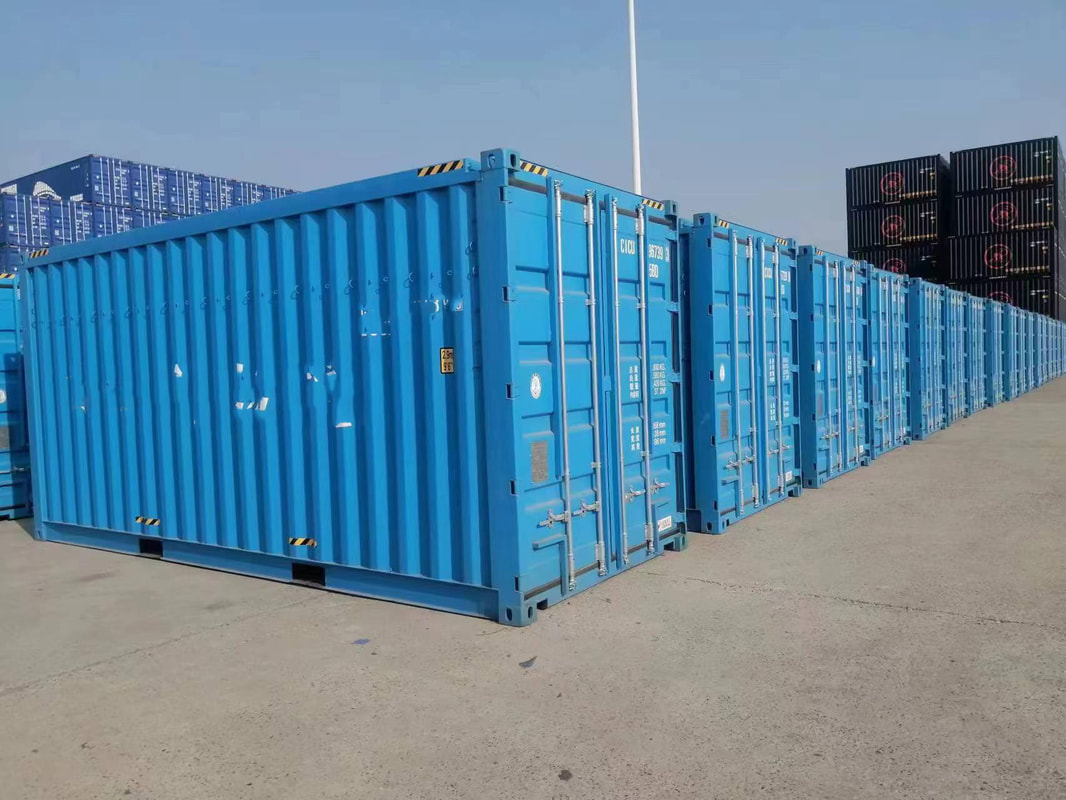
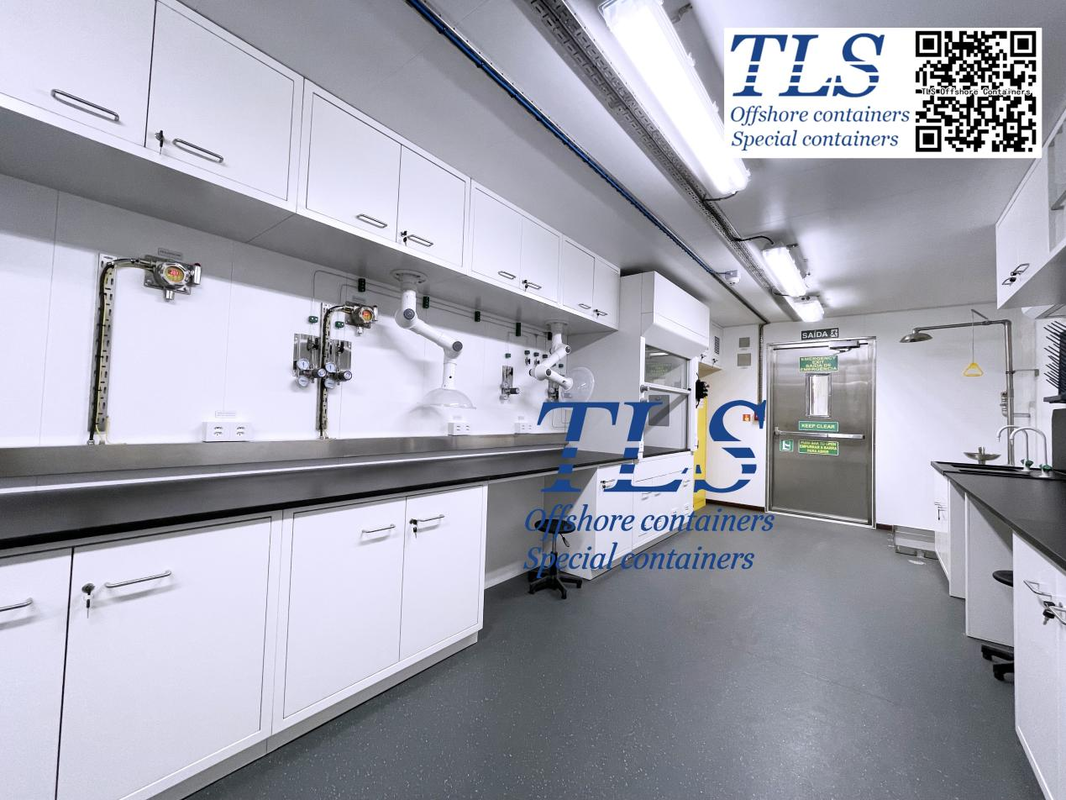
At TLS Offshore Containers, we are excited to announce that we currently have an extensive stock of 400 units of 20ft open-top containers, ready for immediate delivery. All units are certified by Bureau Veritas (BV) and Lloyd's Register (LR), ensuring they meet the highest international standards for safety, durability, and performance. This certification is a testament to our commitment to excellence and our dedication to providing products that our customers can trust. If you are interested in purchasing or wish to learn more about our 20ft open-top containers, please do not hesitate to contact us. Our team is ready to assist you with any questions you may have and guide you through the customization process to ensure your needs are met with precision and care. At TLS Offshore Containers, we are more than just a provider; we are your partner in finding the best container solutions for your business. Reach out today to secure your containers and take the first step towards enhancing your operational efficiency with our certified, customizable 20ft open-top containers. --- Introduction: In the realm of scientific research, innovation knows no bounds. However, conducting experiments and research projects often requires specialized infrastructure, which can be both expensive and logistically challenging to set up. This is where TLS Offshore Lab Containers step in to revolutionize the landscape. In this article, we delve into the transformative potential of these containers, exploring their features, benefits, and the impact they can have on various fields of study. Unraveling Offshore Lab Containers: TLS Offshore Containers International specializes in designing and manufacturing lab containers and more, meticulously crafted to customer specifications. These containers are engineered to adhere to industry-leading standards, including DNV 2.7-1, NORSOK, ATEX/IECEx, as well as SOLAS/IMO regulatory requirements. With a focus on functionality and compliance, TLS containers ensure optimal performance and safety in any environment. Features That Redefine Possibilities:
Benefits Galore:
Impact Across Disciplines: The versatility of Offshore Lab Containers makes them indispensable across various fields of scientific inquiry:
Conclusion: In an era where scientific breakthroughs are essential for addressing global challenges, Offshore Lab Containers by TLS emerge as a game-changer. By combining innovation, durability, and flexibility, these containers empower researchers to push the boundaries of knowledge, transcending geographical limitations and unlocking new avenues of discovery. Embrace the future of scientific exploration with TLS's Offshore Lab Containers. TLS Offshore Containers / TLS Special Containers is a global supplier of standard and customised containerised solutions. Wherever you are in the world TLS can help you, please contact us. Please download Laboratory container brochure for reference. Key words: #ATEX/IECEx #SOLAS/IMO regulations #Customization #Compliance #Climate control #Efficiency #Rapid deployment #Scientific research #Innovation #Insulation #Offshore containers #Laboratory containers #DNV 2.7-1 Written by OliverIn the realm of energy storage, Battery Energy Storage Systems (BESS) have emerged as pivotal assets for managing power grids efficiently and sustainably. As the demand for renewable energy integration grows, the importance of efficient BESS operation becomes increasingly evident. Among the critical components of BESS infrastructure is the Energy Management System (EMS), which plays a crucial role in optimizing performance and ensuring seamless integration with the grid. In this blog post, we delve into the intricacies of EMS communication within BESS containers manufactured by TLS, shedding light on its functionality and significance. What is EMS Communication? EMS communication refers to the exchange of data and instructions between the Energy Management System and various components within a BESS container. The EMS serves as the central intelligence hub, orchestrating the operation of batteries, inverters, monitoring devices, and other subsystems to achieve optimal performance objectives. Key Components of EMS Communication in TLS BESS Containers:
Benefits of Effective EMS Communication in TLS BESS Containers:
Conclusion: In the realm of energy storage, effective communication between the EMS and various subsystems is essential for optimizing performance, ensuring grid stability, and maximizing the value of BESS assets. TLS BESS containers exemplify this principle, boasting robust EMS communication capabilities that enable seamless integration, enhanced control, and superior operational efficiency. By leveraging advanced technology and innovative design, TLS continues to redefine the landscape of energy storage, empowering utilities, renewable energy developers, and grid operators to embrace a sustainable energy future. TLS Offshore Containers / TLS Special Containers is a global supplier of standard and customised containerised solutions. Wherever you are in the world TLS can help you, please contact us. Regarding the Battery Energy Storage System (BESS) container, please download Energy Storage System (ESS) Containers brochure for reference. Key words: #Battery Management System (BMS) #Inverters #Grid monitoring #SCADA systems #Performance optimization #Grid stability #Renewable energy integration #Ancillary services #Real-time data #Operational efficiency #Remote management #Predictive analytics #Maintenance scheduling Written by OliverUnveiling the Engineering Marvel: Understanding How the Inverter Works in TLS BESS Containers3/22/2024
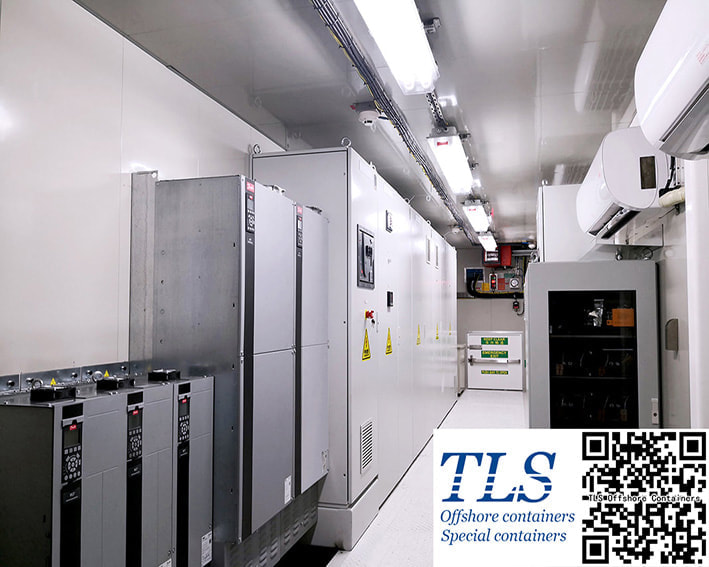
Introduction: In today's energy landscape, the importance of sustainable and efficient energy storage solutions cannot be overstated. Battery Energy Storage Systems (BESS) have emerged as a cornerstone of this transformation, providing flexibility, reliability, and stability to the grid. At the heart of every BESS lies a crucial component: the inverter. In this blog, we delve into the intricate workings of the inverter within the BESS containers manufactured by TLS, shedding light on its functionality and significance. Understanding the Inverter: The inverter serves as the backbone of any BESS, facilitating the conversion of direct current (DC) electricity stored in the batteries into alternating current (AC) electricity, which is compatible with the grid and can power homes, businesses, and industries. This seamless conversion process is fundamental for integrating renewable energy sources, managing peak demand, and ensuring grid stability. Key Components and Technologies: Within TLS BESS containers, the inverter comprises a sophisticated array of components and cutting-edge technologies engineered to optimize performance and efficiency. These include:
Benefits of TLS Inverter Technology:
Conclusion: In conclusion, the inverter stands as a linchpin of TLS BESS containers, facilitating the seamless conversion of stored energy into usable electricity while ensuring compatibility with the grid. Through advanced technologies, robust design principles, and adaptive control strategies, TLS continues to pioneer innovative solutions that drive the transition towards a sustainable energy future. As the demand for reliable and efficient energy storage solutions escalates, the role of the inverter within BESS containers remains paramount, shaping the landscape of modern energy infrastructure. TLS Offshore Containers / TLS Special Containers is a global supplier of standard and customised containerised solutions. Wherever you are in the world TLS can help you, please contact us. Regarding the Battery Energy Storage System (BESS) container, please download Energy Storage System (ESS) Containers brochure for reference. Key words: #Inverter technology #Energy storage solutions #Grid integration #Renewable energy #Power electronics #Grid stability #Energy conversion #Efficiency #Control systems #Modularity #Scalability Written by Oliver |

- Home
-
Containerised solutions
- Intelligent pressurised container | MUD logging cabin
- Battery energy storage system (BESS) container
- Flexible grid tied battery storage system
- Laboratory container | workshop container | Equipment containers
- Temporary refuge shelter | Toxic gas refuge | Safe haven
- Offshore accommodation cabin | office container
- Reefer container | Refrigerated container
- Intelligent waste water treatment container
- Fresh water generator container
- Cargo Containers
- Product photos & videos
- News & Blogs
- Contact us
|
Featured products
Intelligent pressurised container Temporary refuge (TR) shelter, toxic gas refuge (TGR) Battery energy storage system (BESS) container Containerised waste water treatment plant Fresh water generator container Reefer container Laboratory container, Workshop container Accommodation container Offshore closed container |
All Rights Reserved 2020 © TLS Offshore Containers / TLS Energy
|