|
Introduction: In the dynamic landscape of renewable energy, grid-tied battery storage systems are becoming increasingly popular for their ability to store excess energy and contribute to a more resilient and sustainable power grid. At the heart of these systems lies the Battery Management System (BMS), a critical component that plays a pivotal role in optimizing performance, enhancing reliability, and ensuring the longevity of the batteries. Understanding the BMS: The Battery Management System is the brain behind the efficient operation of flexible grid-tied battery storage systems. Its primary functions include monitoring and managing various aspects of the battery pack, such as state of charge, voltage, temperature, and overall health. By employing advanced algorithms and real-time data analysis, the BMS ensures that the batteries operate within optimal conditions, maximizing their lifespan and performance. Key Features of BMS in Flexible Grid-Tied Battery Storage Systems:
Benefits of a Robust BMS:
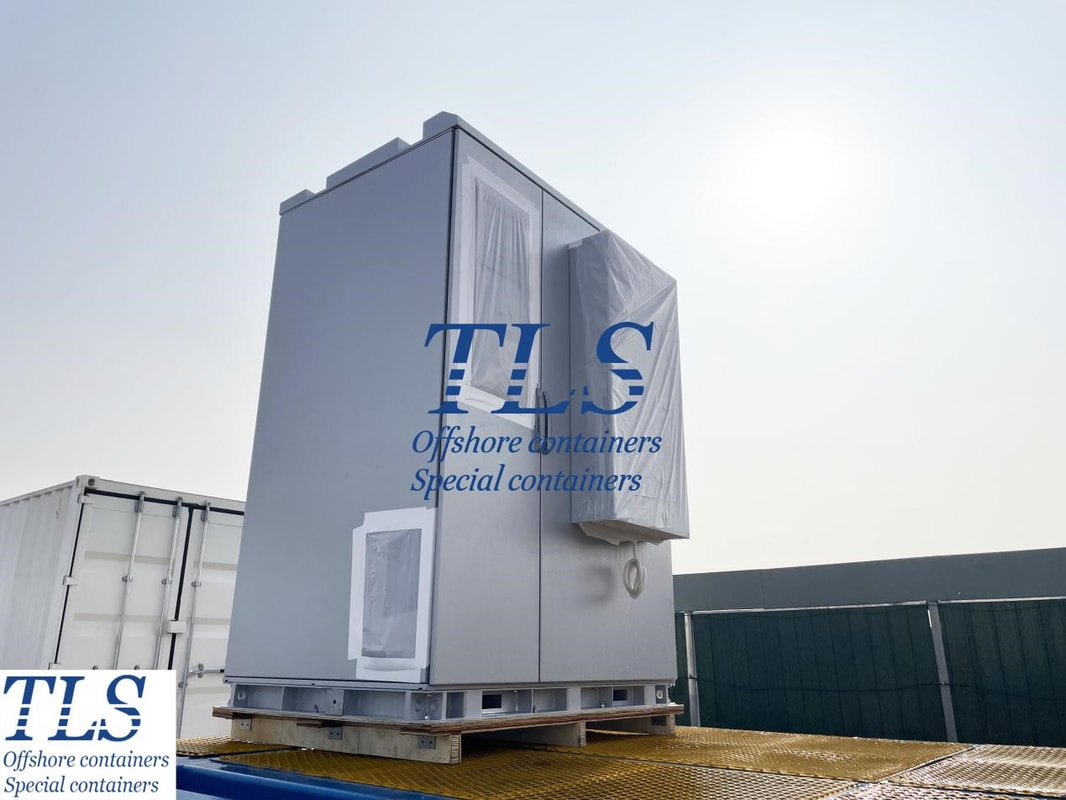
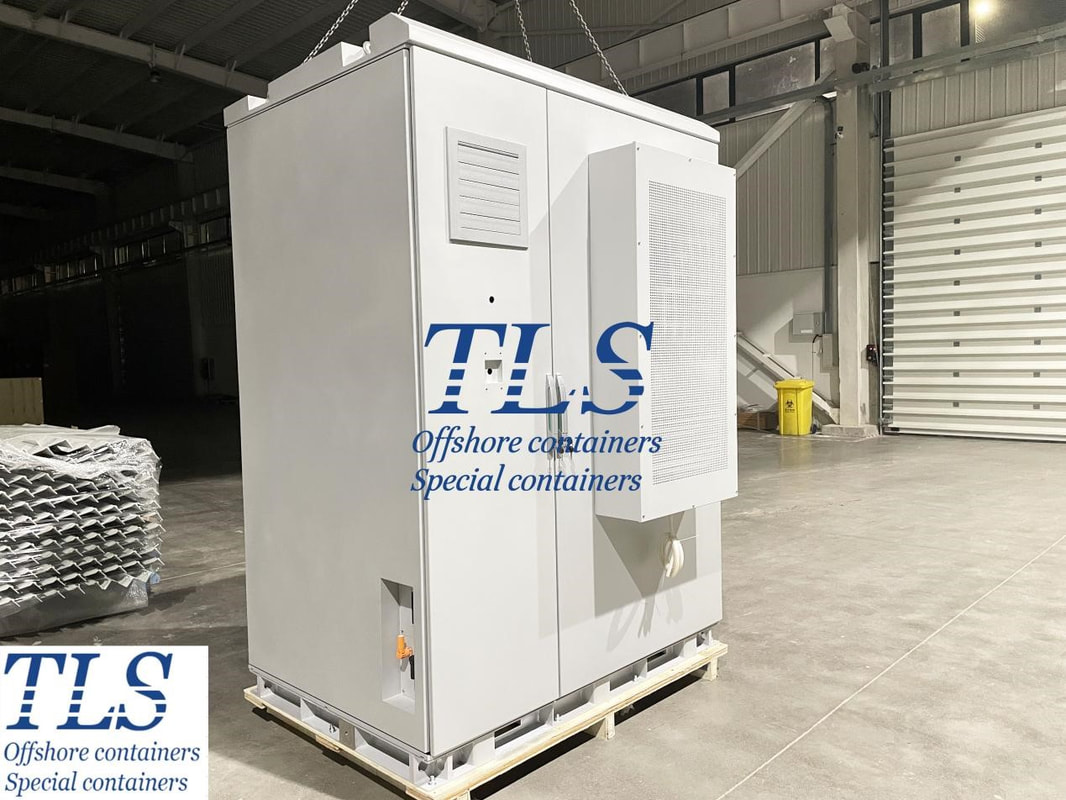
Conclusion: As the demand for flexible grid-tied battery storage systems continues to rise, the role of the Battery Management System becomes increasingly vital. A robust BMS not only ensures optimal performance but also contributes to the overall efficiency, reliability, and safety of the entire energy storage system. Embracing the power of BMS is a strategic step toward building a sustainable and resilient energy future. The Flexible grid tied battery storage system from TLS is a comprehensive, safety-compliant, and highly adaptable solution designed to meet the multifaceted needs of modern energy management. Whether the goal is to optimize solar investments, manage energy costs, or contribute to grid stability, this system offers a robust and flexible platform for achieving these objectives. TLS Offshore Containers / TLS Special Containers is a global supplier of standard and customised containerised solutions. Wherever you are in the world TLS can help you, please contact us. Any more information regarding the Commercial and industrial & microgrid energy storage system, please download Commerical and industrial microgrid tied energy storage system cabinet brochure for your reference Key words: #Flexible grid-tied battery storage system #Battery Management System (#BMS) #Renewable energy storage #Grid resilience #Sustainable energy solutions #Energy management systems #Battery health monitoring #State of charge (#SOC) #Voltage and temperature regulation Written by OliverIntroduction: Battery containers play a crucial role in managing and protecting energy storage systems, especially in applications like renewable energy and backup power solutions. To grasp the dynamics of these containers, it's essential to delve into the intricacies of the DC (Direct Current) and AC (Alternating Current) sides. This article aims to provide a comprehensive guide to help you understand the significance of both sides in a battery container. DC Side Overview: The DC side of a battery container refers to the portion that handles the direct current output generated by the energy storage system. In most cases, renewable energy sources such as solar panels or wind turbines produce DC electricity, which is then stored in batteries for later use. Key Components of the DC Side:
AC Side Overview: On the other hand, the AC side of a battery container deals with the conversion of direct current to alternating current, which is the standard form of electricity for most household and industrial applications. Key Components of the AC Side:
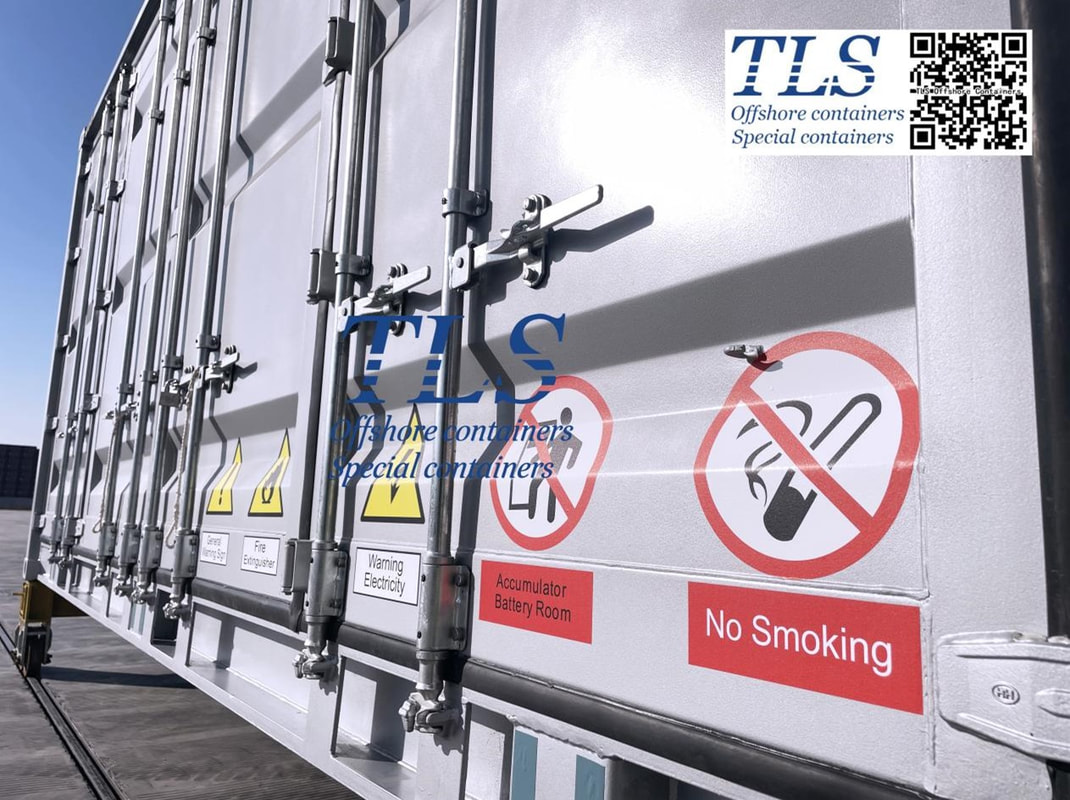
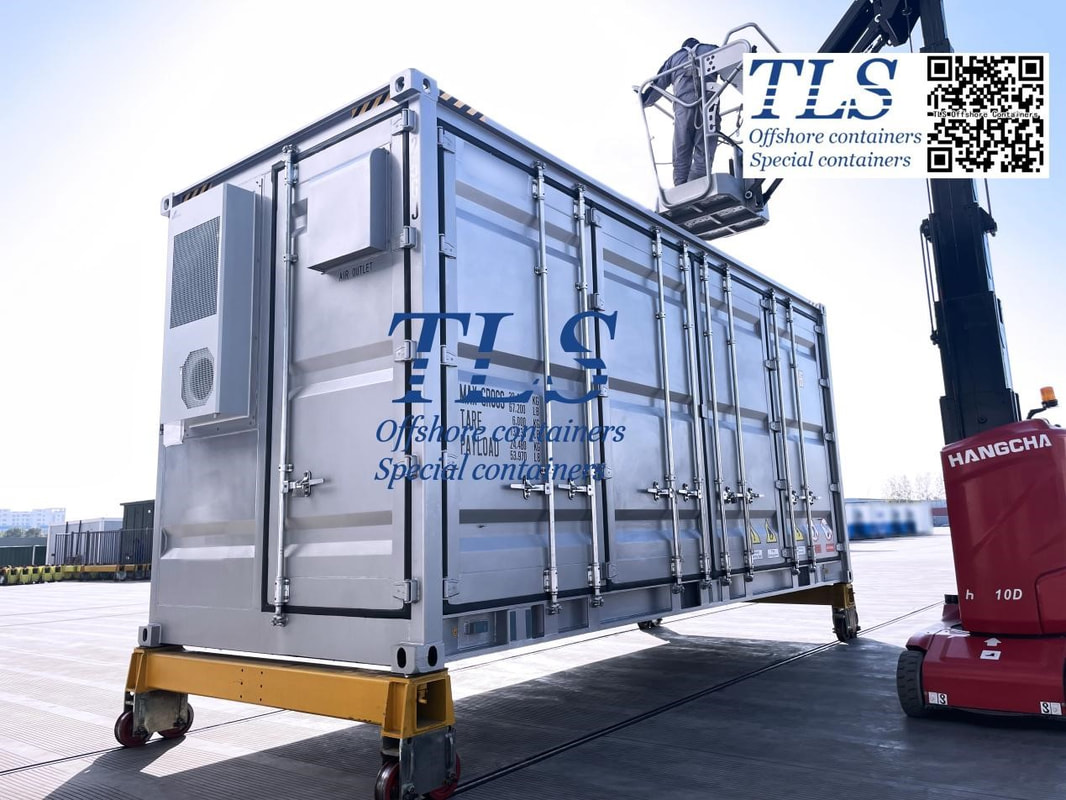
Conclusion: In conclusion, understanding the DC and AC sides of a battery container is crucial for optimizing the performance and efficiency of energy storage systems. Whether you're integrating renewable energy solutions or implementing backup power systems, a well-designed and properly managed DC and AC infrastructure ensures a reliable and sustainable energy supply. As the demand for clean and reliable energy continues to grow, staying informed about the intricacies of battery containers and their DC and AC sides will be instrumental in fostering the development of advanced and efficient energy storage solutions. At TLS Offshore Containers International, we are at the forefront of the renewable energy storage sector, offering bespoke Battery Energy Storage System (BESS) containers. With these versatile offerings, TLS Offshore Containers International has become a preferred choice for clients seeking tailored energy storage solutions. We are committed to providing innovative and flexible solutions that meet the evolving needs of the renewable energy storage sector. TLS Offshore Containers / TLS Special Containers is a global supplier of standard and customised containerised solutions. Wherever you are in the world TLS can help you, please contact us. Regarding the Battery Energy Storage System (BESS) container, please download Energy Storage System (ESS) Containers brochure for reference. Key words: #DC side #AC side #Renewable energy #Battery Management System (#BMS) #DC-DC converters #Inverters #Grid-tie inverters #Electrical grids #Power systems #Sustainable energy Written by OliverPositive pressurized containers play a pivotal role in ensuring the safety of equipment and personnel in environments where explosive or flammable materials are present. This article delves into the essential principles behind these containers and their significance in achieving explosion-proof requirements. The positive pressure explosion-proof container operates by utilizing the container shell to meet technical standards for explosion-proofing. This allows the installation of regular non-explosion-proof machinery and electrical equipment within the container while ensuring safety. A critical component of the positive pressurized container is the positive pressure ventilation system. This system is instrumental in achieving explosion-proof conditions within the container. Here's how it works:
TLS offshore pressurized containers adhere to the latest standards and regulations, guaranteeing design, manufacturing, and testing in compliance with industry requirements. Explore the cutting-edge features of our containers to ensure a secure and explosion-proof environment for your operations. TLS Offshore Containers / TLS Special Containers is a global supplier of standard and customised containerised solutions. Wherever you are in the world TLS can help you, please contact us. Product brochures: Offshore pressurised mud logging cabin brochure MCC | Switchgear | VFD | VSD pressurised shelter Key words: #Positive pressurized containers #Explosion-proof containers #Pressurized container ventilation #Explosion-proof blast system #Centrifugal fan for explosion-proof #Hazardous gas monitoring #Positive pressure box #Explosion-proof control system #Technical requirements for explosion-proof Written by OliverExploring the Comprehensive BESS Enclosure Manufacturing Services by TLS Energy International1/3/2024
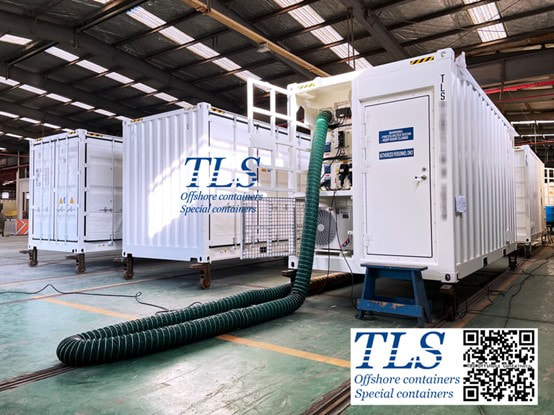
TLS Energy International stands at the forefront of innovative energy storage solutions, offering an array of Battery Energy Storage System (BESS) enclosure manufacturing services to a global clientele. Our approach to energy storage is rooted in customization and adaptability, ensuring that each client receives a solution tailored to their specific needs. This article delves into our three main offerings, each designed to cater to various aspects of energy storage requirements. ### 1. Container Enclosure Body with Battery Rack Our first offering is the Container Enclosure Body with Battery Rack. This foundational solution is engineered for flexibility and customization. It provides clients with a robust container enclosure body, equipped with a battery rack, ready to be integrated with additional components. This offering is particularly beneficial for clients who require a basic yet reliable foundation for their energy storage systems. It's a versatile choice for businesses looking to scale up their energy storage capacity, allowing for the integration of various components based on evolving needs. ### 2. Semi-Integrated BESS Container Solution Taking a step further, our second offering is the Semi-Integrated BESS Container Solution. This solution is a comprehensive package that includes a battery rack and essential auxiliary components. Key features of this package include a state-of-the-art fire-fighting system, an efficient battery cooling system, a reliable lighting system, and a robust earthing system. While this offering provides a more complete solution compared to the basic container enclosure, it still maintains a degree of flexibility, allowing clients to customize certain aspects based on their specific requirements. This semi-integrated solution is ideal for clients looking for a balance between a pre-configured system and one that can be tailored to specific needs. ### 3. Total BESS Container Solution Our most comprehensive service is the Total BESS Container Solution. This offering is the epitome of turnkey solutions in the realm of energy storage. Tailored to the client's specific requirements, it is perfect for both off-grid and on-grid applications. This complete package is designed for clients seeking an all-encompassing, ready-to-deploy energy storage solution. Every aspect of this solution is customized to meet the precise needs of the client, ensuring optimal performance and reliability. At TLS Energy International, we understand the critical importance of reliable and efficient energy storage solutions in today's world. Our offerings are designed to meet the diverse needs of our clients, whether they are stepping into the realm of energy storage or looking to expand their existing capacities. Our commitment to quality, customization, and client satisfaction sets us apart in the industry. Our team of experts is dedicated to providing solutions that are not only technologically advanced but also sustainable and cost-effective. We work closely with our clients to understand their specific needs and challenges, delivering solutions that are not just products but true partnerships in their energy journey. Choose TLS Energy International for your BESS enclosure manufacturing needs and experience the difference that comes with a service-oriented, client-focused approach. Contact us today to learn more about how we can assist you in achieving your energy storage goals. |

- Home
-
Containerised solutions
- Intelligent pressurised container | MUD logging cabin
- Battery energy storage system (BESS) container
- Flexible grid tied battery storage system
- Laboratory container | workshop container | Equipment containers
- Temporary refuge shelter | Toxic gas refuge | Safe haven
- Offshore accommodation cabin | office container
- Reefer container | Refrigerated container
- Intelligent waste water treatment container
- Fresh water generator container
- Cargo Containers
- Product photos & videos
- News & Blogs
- Contact us
|
Featured products
Intelligent pressurised container Temporary refuge (TR) shelter, toxic gas refuge (TGR) Battery energy storage system (BESS) container Containerised waste water treatment plant Fresh water generator container Reefer container Laboratory container, Workshop container Accommodation container Offshore closed container |
All Rights Reserved 2020 © TLS Offshore Containers / TLS Energy
|