- Published on
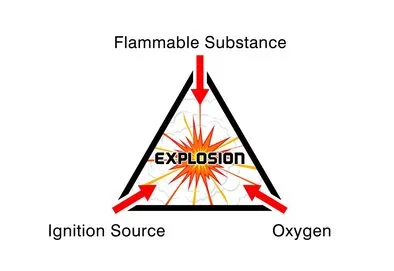
A hazardous area can be defined as any location where there is risk of an explosion. But every hazardous area is different and each has specific requirements depending on the nature of the atmosphere and the elements that are present.
Fundamentally, for an explosion to take place, flammable or explosive gases, vapours, mists or dusts will be present. Then, the level of risk of an explosion is based on the frequency and duration of the occurrence of an explosive atmosphere. This level of risk is represented by classifying the hazardous area as Zone 0, Zone 1 or Zone 2 (for gas, vapour and mist atmospheres) or Zone 21 or Zone 22 for dust atmospheres.
we will look at what defines Zone 0, Zone 1 and Zone 2 hazardous area classifications and the considerations for specifying lighting into each area. But first, we must consider what is likely to cause an explosion in the first place.
There are three necessary components for an explosion to occur;
1. Flammable Substance – this needs to be present in a relatively high quantity to produce an explosive mixture (e.g. gas, vapours, mists and dusts).
2. Oxygen – oxygen is required in high quantities and in combination with the flammable substance to produce an explosive atmosphere.
3. Ignition Source – a spark or high heat must also be present.
Where there is potential for an explosive atmosphere, special precautions are needed to prevent fires and explosions. Electronic equipment, including lighting, needs to be purpose designed for use in hazardous areas to prevent a spark occurring and igniting any flammable substances.
Although every application is different, for the ease of monitoring and specification each hazardous area is classified as a particular level or “zone”. As a result, all hazardous area equipment must be designed with hazardous area zone classifications in mind, as the “zone” governs the level of protection and precaution required. It is essential to know which zone you are working in, so that you can specify the most appropriate equipment.
For gases, vapours and mists the zone classifications are recognised as Zone 0, Zone 1 and Zone 2 areas. Let’s take a look at what defines each zone…
Fundamentally, for an explosion to take place, flammable or explosive gases, vapours, mists or dusts will be present. Then, the level of risk of an explosion is based on the frequency and duration of the occurrence of an explosive atmosphere. This level of risk is represented by classifying the hazardous area as Zone 0, Zone 1 or Zone 2 (for gas, vapour and mist atmospheres) or Zone 21 or Zone 22 for dust atmospheres.
we will look at what defines Zone 0, Zone 1 and Zone 2 hazardous area classifications and the considerations for specifying lighting into each area. But first, we must consider what is likely to cause an explosion in the first place.
There are three necessary components for an explosion to occur;
1. Flammable Substance – this needs to be present in a relatively high quantity to produce an explosive mixture (e.g. gas, vapours, mists and dusts).
2. Oxygen – oxygen is required in high quantities and in combination with the flammable substance to produce an explosive atmosphere.
3. Ignition Source – a spark or high heat must also be present.
Where there is potential for an explosive atmosphere, special precautions are needed to prevent fires and explosions. Electronic equipment, including lighting, needs to be purpose designed for use in hazardous areas to prevent a spark occurring and igniting any flammable substances.
Although every application is different, for the ease of monitoring and specification each hazardous area is classified as a particular level or “zone”. As a result, all hazardous area equipment must be designed with hazardous area zone classifications in mind, as the “zone” governs the level of protection and precaution required. It is essential to know which zone you are working in, so that you can specify the most appropriate equipment.
For gases, vapours and mists the zone classifications are recognised as Zone 0, Zone 1 and Zone 2 areas. Let’s take a look at what defines each zone…
- Zone 0 is an area in which an explosive atmosphere is present continuously for long periods of time or will frequently occur.
- Zone 1 is an area in which an explosive atmosphere is likely to occur occasionally in normal operation. It may exist because of repair, maintenance operations, or leakage.
- Zone 2 is a place in which an explosive atmosphere is not likely to occur in normal operation but, if it does occur, will persist for a short period only. These areas only become hazardous in case of an accident or some unusual operating condition.
- Published on
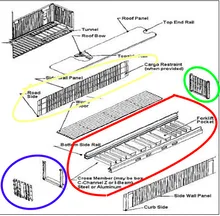
1. Basic frame
The base frame consists of two (2) lower side rails, several cross members and a gooseneck tunnel, which are welded together as a subassembly.
2.Front End
The front end will be composed of corrugated end wall and front end frame,
which are welded together as a sub-assembly.
3. Rear End
Rear end is composed of Rear End Frame which consists of one door sill, two
corner posts, one rear header with header plate and four corner fittings, which
are welded together as a sub-assembly, and Door Systems with locking
devices.
4.Side Wall Assembly
Side Walls Each side wall will be composed of a number of sheets for the intermediate (inner) parts and outer panels at each end of side wall, fully vertically corrugated into trapezium section, butt welded together to form one panel by automatic welding.
5.Roof
The roof will be constructed by several die-stamp corrugated steel sheets with a certain upwards camber at the center of each trough and corrugation, these sheets are butt jointed together to form one panel by automatic welding.
The base frame consists of two (2) lower side rails, several cross members and a gooseneck tunnel, which are welded together as a subassembly.
2.Front End
The front end will be composed of corrugated end wall and front end frame,
which are welded together as a sub-assembly.
3. Rear End
Rear end is composed of Rear End Frame which consists of one door sill, two
corner posts, one rear header with header plate and four corner fittings, which
are welded together as a sub-assembly, and Door Systems with locking
devices.
4.Side Wall Assembly
Side Walls Each side wall will be composed of a number of sheets for the intermediate (inner) parts and outer panels at each end of side wall, fully vertically corrugated into trapezium section, butt welded together to form one panel by automatic welding.
5.Roof
The roof will be constructed by several die-stamp corrugated steel sheets with a certain upwards camber at the center of each trough and corrugation, these sheets are butt jointed together to form one panel by automatic welding.
- Published on
Difference Between Onshore ISO and Offshore DNV Shipping Containers
In order to meet the certification necessary for both safety and security, onshore and offshore containers need to be built properly with corresponding appropriate types of materials. Onshore and offshore shipping containers are just two of the different types of containers available today. There is a need to know that each container type has its specific uses so that you can decide the most appropriate one for your project needs. A shipping container is a vehicle used to hold out cargos for storage and safekeeping.
Onshore ISO Shipping Containers
Most of the ISO shipping containers sometimes also known as sea containers are made from the weathering steel as what is specified within the BS EN 100025-5: 2004 commonly called as the “Cor-ten” steel, This is a type of steel that is corrosion resistant mainly utilized within different industries in which exposed steel sections are needed such as building sculptures, facades, and panels. Used shipping containers for sale are widely available in order to cater the growing needs of the industry.
Onshore ISO shipping containers are containers that passed through the standards of the International Standards Organization. This sort of container is also referred to as “intermodal”. The intermodal or ISO shipping container originated or rooted to develop the DNV offshore containers. It is the reusable transport and storage of goods between locations at a low cost. There are great numbers of companies that offer cheap shipping containers for sale that the industry can choose from.
Components and Characteristics of Onshore ISO Shipping Containers
Offshore DNV Shipping Containers
Offshore container as defined by the International Maritime Organization, it is a “portable unit, specially designed for repeated use in the transport of goods or equipment to, from or between fixed and/or floating offshore installations and ships.” It is also refer to as portable tanks for dangerous goods. Hence, it holds oils, gases and other hazards that need transport from one place to another.
What makes Offshore Containers Different from Onshore Containers?
Offshore DNV shipping containers are containers manufactured that passed through dnv2.7-1 certifications. These containers are often left expose and loaded in harsh weather conditions. It normally specifies with a standard temperature of -20 degrees Celsius and requires primary structures and materials with sufficient strength and sturdiness with its standard temperature. The loading and unloading methods put different types of pressure on the structure of the containers.
Onshore ISO Shipping Containers
Most of the ISO shipping containers sometimes also known as sea containers are made from the weathering steel as what is specified within the BS EN 100025-5: 2004 commonly called as the “Cor-ten” steel, This is a type of steel that is corrosion resistant mainly utilized within different industries in which exposed steel sections are needed such as building sculptures, facades, and panels. Used shipping containers for sale are widely available in order to cater the growing needs of the industry.
Onshore ISO shipping containers are containers that passed through the standards of the International Standards Organization. This sort of container is also referred to as “intermodal”. The intermodal or ISO shipping container originated or rooted to develop the DNV offshore containers. It is the reusable transport and storage of goods between locations at a low cost. There are great numbers of companies that offer cheap shipping containers for sale that the industry can choose from.
Components and Characteristics of Onshore ISO Shipping Containers
- Gooseneck tunnel
- Forklift pockets
- Grappler pockets
- Purin reinforced with a plywood floors
- Corner castings
- Monocoque body
- Continuously all-weeded steel
- Steel that is corrugated with sheet sidewalls, back panel, and roof
Offshore DNV Shipping Containers
Offshore container as defined by the International Maritime Organization, it is a “portable unit, specially designed for repeated use in the transport of goods or equipment to, from or between fixed and/or floating offshore installations and ships.” It is also refer to as portable tanks for dangerous goods. Hence, it holds oils, gases and other hazards that need transport from one place to another.
What makes Offshore Containers Different from Onshore Containers?
- the lifting pad eye (lifting lugs) – most common differentiation between onshore and offshore containers
- Designed for a dynamic lifting via padeyes
- DNV certified lifting sling mainly equipped with the shackles
- Primarily inspected right at design stage, production, material procurement, as well as final load
- NDE Tested
- Not only a prototype tested, but also a specified number of the randomly selected units from the batch are mainly tested at rate which is typically five minutes the ISO shipping containers’ testing rate.
- The weight is about twice the size of ISO containers
- Required to have an identified DNV lifting sling certificate
Offshore DNV shipping containers are containers manufactured that passed through dnv2.7-1 certifications. These containers are often left expose and loaded in harsh weather conditions. It normally specifies with a standard temperature of -20 degrees Celsius and requires primary structures and materials with sufficient strength and sturdiness with its standard temperature. The loading and unloading methods put different types of pressure on the structure of the containers.
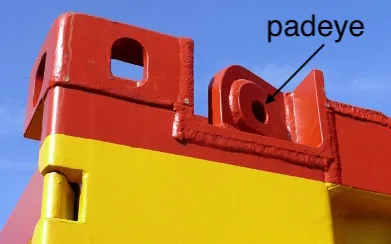
the lifting pad eye (lifting lugs) – most common differentiation between onshore and offshore containers
- Published on
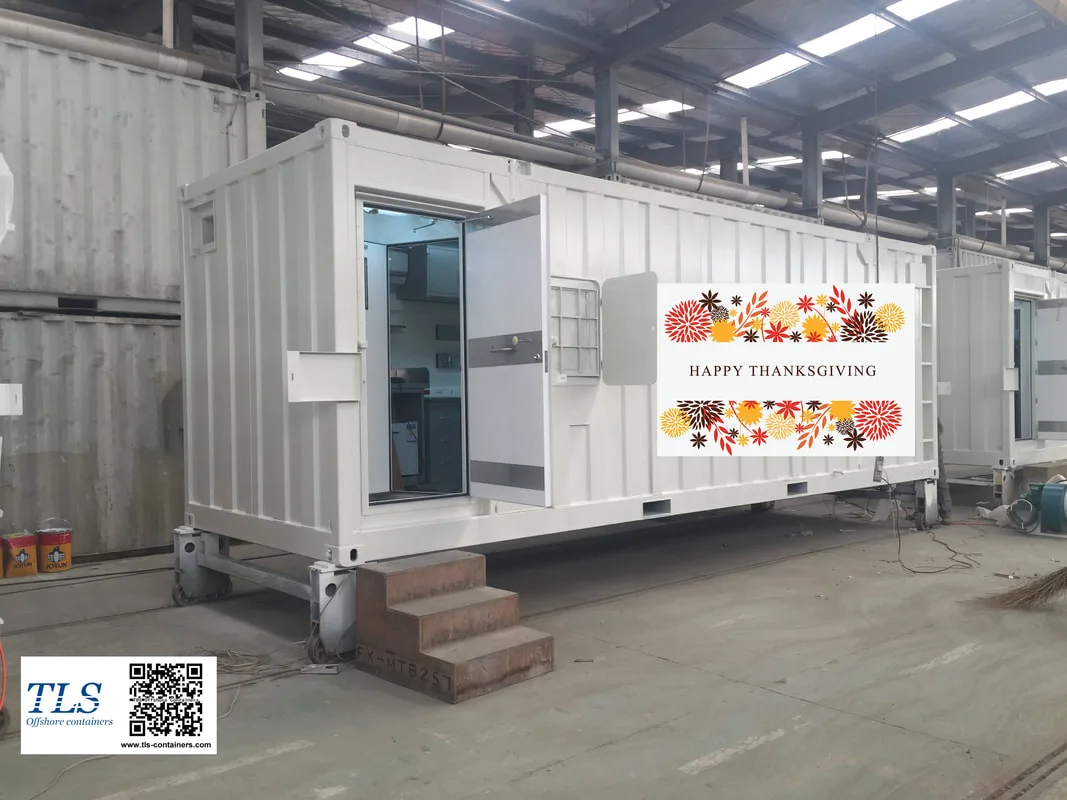
Summary:With the growing demand for offshore temporary cabins, Safety, Health and Environment is very important for every company, TLS team have been providing a complete solution for working in hazardous environments for around 30 years. TLS have been manufacturing for the Oil and Gas industry since 90’S. A60: Pressurized Cabins are designed to DNV 2.7-1, EN12079 and ATEX standards
TLS pressurised containers are designed, built for operations in Zone 1 or Zone 2 hazardous areas either offshore or onshore. A60 fire rated containers, certified to DNV 2.7-1 and DNV 2.7-2 standards. Utilised as MUD logging cabin | unit, ROV cabin, laboratory container, office container, control room, equipment room, MWD container etc. TLS Pressurised Cabins Equipped with fire, gas and pressure detect & alarm system, provide safe working or operation conditions on oil &gas field.
Specifications:
Any Pressurised cabin; Customised ROV Cabins; Test Cabins; Control Cabins; Telecommunications Cabins; Mud Logging Cabins; Office Cabins; MWD/LWD Cabins; Offshore accommodation Cabins; Laboratory Cabins; Equipment Cabins etc. TLS will be your best Choice.
Web: www.tls-containers.com Email: anny.yong@tls-containers.com
TLS pressurised containers are designed, built for operations in Zone 1 or Zone 2 hazardous areas either offshore or onshore. A60 fire rated containers, certified to DNV 2.7-1 and DNV 2.7-2 standards. Utilised as MUD logging cabin | unit, ROV cabin, laboratory container, office container, control room, equipment room, MWD container etc. TLS Pressurised Cabins Equipped with fire, gas and pressure detect & alarm system, provide safe working or operation conditions on oil &gas field.
Specifications:
- Fire Protected to A60, H60 or H120.
- Hazardous area Zone 1 or Zone 2
- Full Pressurisation
- Fire and Gas Detection System
- Automatic shutdown
- Ventilation and Air Conditioning
- Emergency Lighting
- Fire Dampers
- ATEX compliant
- DNV2.7-1 / DNV2.7-2 / EN12079
- Satellite real-time tracking GPS device (ATEX, IECEx, Zone 0)
Any Pressurised cabin; Customised ROV Cabins; Test Cabins; Control Cabins; Telecommunications Cabins; Mud Logging Cabins; Office Cabins; MWD/LWD Cabins; Offshore accommodation Cabins; Laboratory Cabins; Equipment Cabins etc. TLS will be your best Choice.
Web: www.tls-containers.com Email: anny.yong@tls-containers.com
- Published on
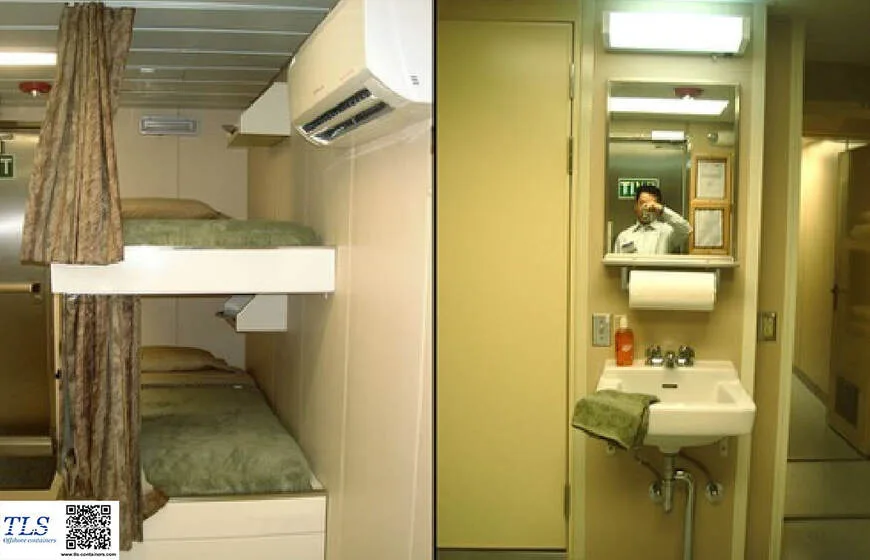
Summary:All of TLS offshore accommodation containers are designed, manufactured and certified according to DNV 2.7-1 and EN 12079 offshore container standard. The certificates are issued by classification societies such as Lloyd's Register (LR), Det Norske Veritas (DNV) and Bureau Veritas (BV). Each of TLS offshore containers are manufactured in strict accordance to DNV standard. Supplied offshore containers are marked for offshore use and complete with full material trace report, load test and NDT reports, and DNV 2.7-1 / EN 12079 certificates.
TLS Offshore Containers International designs and builds A60 B15 offshore accommodation modules offering safe and comfortable living space for 1,2,3,4,6 or 8 persons.
TLS accommodation modules manufactured and certified by DNV 2.7-1 /EN 12079,With sets of beds,furniture,shower with integral hot water,work tables and chair,Air-conditioning unit with individual thermostatic,PLC basic fire and gas detection unit,Lighting system etc.
TLS can design and build special offshore accommodation container following with every customer's requirement,TLS must be your best choice for accommodation units.
Web: www.tls-containers.com Email:sales@tls-containers.com
TLS Offshore Containers International designs and builds A60 B15 offshore accommodation modules offering safe and comfortable living space for 1,2,3,4,6 or 8 persons.
TLS accommodation modules manufactured and certified by DNV 2.7-1 /EN 12079,With sets of beds,furniture,shower with integral hot water,work tables and chair,Air-conditioning unit with individual thermostatic,PLC basic fire and gas detection unit,Lighting system etc.
TLS can design and build special offshore accommodation container following with every customer's requirement,TLS must be your best choice for accommodation units.
Web: www.tls-containers.com Email:sales@tls-containers.com
- Published on
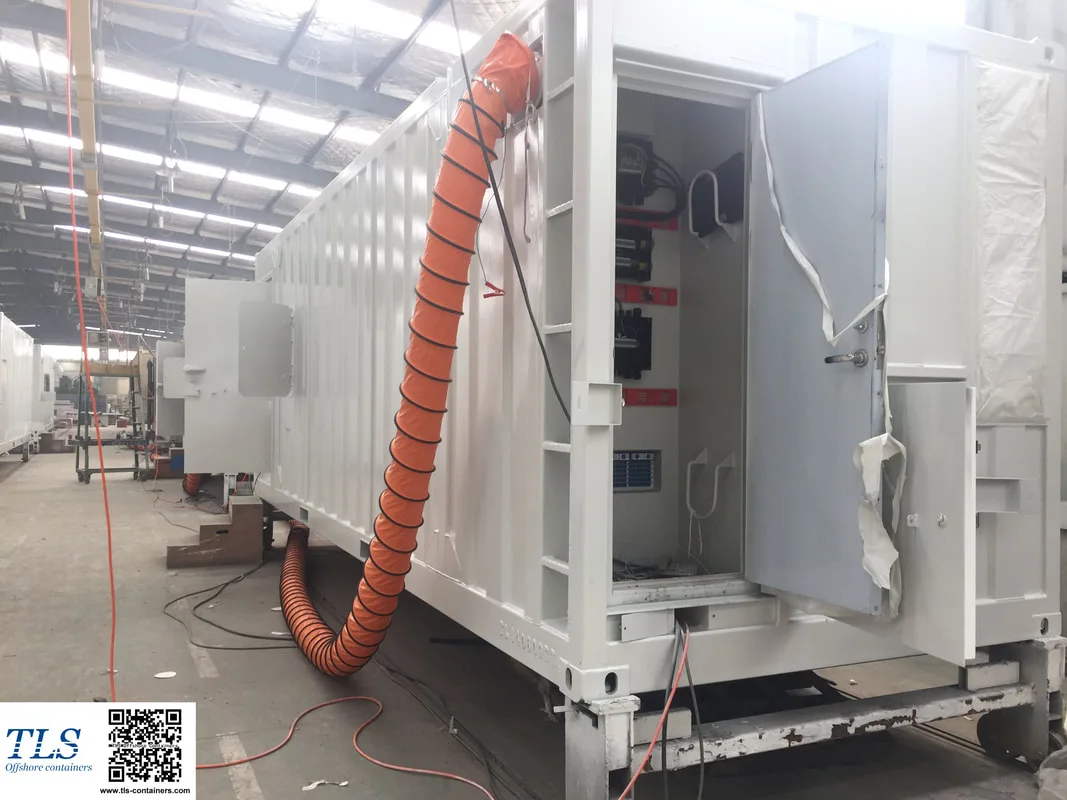
Summary:TLS provides a range of A60 DNV2.7-1 offshore work space and accommodation modules to the global oil and gas and renewable energy industries.With the growing demand for offshore temporary cabins, Safety, Health and Environment is very important for every company, TLS team have been providing a complete solution for working in hazardous environments for around 30 years. TLS have been manufacturing Ex-proof containers for the Oil and Gas industry since 90’S. A60 Pressurized Cabins are designed to DNV 2.7-1, EN12079 and ATEX standards.
Technical:
A60 Passive Fire Protection Hazardous Area Rated: Zone 1 / Zone 2 or Safe Area DNV 2.7-1 / EN12079 Certifications for easy transportation, Approval by Lloyd’s, DNV, BV, etc. Combined Pressurisation Fire & Gas Panel, Fire Detection Gas Detection, Automatic Fire Dampers (Fail-safe), Air Conditioning, Split System Emergency Lighting, Fire Extinguisher Fully Load Tested Quick Connections for Power, Telecoms and Alarms etc.
Pressurized cabin Customized Units Applications: ROV Cabins ; Test Cabins ; Control Cabins ; Telecommunications Cabins ; Mud Logging Cabins; Office Cabins ; Offshore MWD/LWD Cabins ; Offshore accommodation Cabins ; Laboratory Cabins ; Equipment Cabins; DNV 2.7-1 Workshop Cabins;
TLS Offshore Containers International provide global offshore container and module solutions cost-effectively and efficiently. TLS consistently deliver products of the highest offshore standards to global clients.
Web: www.tls-containers.com Email: sales@tls-containers.com
Technical:
A60 Passive Fire Protection Hazardous Area Rated: Zone 1 / Zone 2 or Safe Area DNV 2.7-1 / EN12079 Certifications for easy transportation, Approval by Lloyd’s, DNV, BV, etc. Combined Pressurisation Fire & Gas Panel, Fire Detection Gas Detection, Automatic Fire Dampers (Fail-safe), Air Conditioning, Split System Emergency Lighting, Fire Extinguisher Fully Load Tested Quick Connections for Power, Telecoms and Alarms etc.
Pressurized cabin Customized Units Applications: ROV Cabins ; Test Cabins ; Control Cabins ; Telecommunications Cabins ; Mud Logging Cabins; Office Cabins ; Offshore MWD/LWD Cabins ; Offshore accommodation Cabins ; Laboratory Cabins ; Equipment Cabins; DNV 2.7-1 Workshop Cabins;
TLS Offshore Containers International provide global offshore container and module solutions cost-effectively and efficiently. TLS consistently deliver products of the highest offshore standards to global clients.
Web: www.tls-containers.com Email: sales@tls-containers.com
- Published on
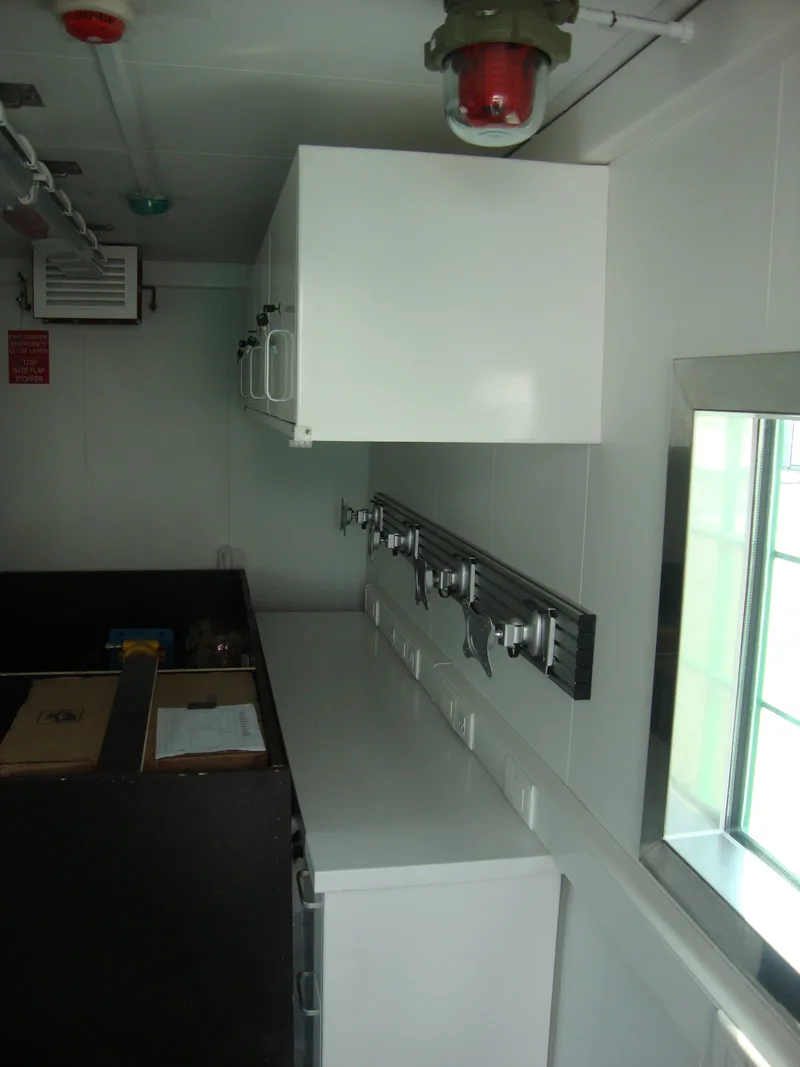
Are you looking for the portable offshore laboratory cabins? TLS Offshore Containers is an ideal option for you. They are able to supply a range of containers in hassle-free manner. In current, they have a long list of clients from the particular country and had satisfactory reviews of the client. Lets, read the special feature of their zone 2 portable laboratory cabins as below:
- TLS flexible and innovative range of laboratory cabins has been tried and tested globally and is able to match internationals design codes as well as regulatory requirements.
- State-of-the-art safety monitoring systems are incorporated, including an integrated fire and gas, pressurisation and emergency shutdown system suitable for Zone 2 hazardous area applications.
- The cabins are designed to optimise work space efficiency, meet environmental and acoustic requirements, and house your specialist equipment in complete safety.
- The cabins outfitted to perform any number of functions to suit your exact project requirements. And wherever your next project takes you, their designs have been developed to meet the demands of regulatory standards worldwide.
- Portable offshore cabins are impermanent structures that can give agreeable and safe workplaces, and might be found anyplace they are required. There are several kinds of portable cabins are available in the market as well as online and just some of their uses can include: Kitchen use, Reception areas, Toilets, Small building complexes, Sports and leisure, Healthcare and many more.
- Eating and flask regions are vital to most business situations, and they ought to offer the capacity for productive cooking and in the meantime meet any cleanliness and well being regulations furthermore give a decent level of solace. They are utilised for over spill seating zones to completely used kitchens and containers that can be fitted out with the most recent present day providing food hardware.
The company has vast experience and expertise to build the specialised units compliant to DNV 2.7-1 / EN 12079, Zone 1 and Zone 2 classification.
TLS manufacturing line is not only stronger, but their other departments are also active and able to fulfil the requirements of the clients in an efficient way. They have a team of professionals who are able to suggest you the best products according to your requirements as well as space. If you are in Malaysia and looking for offshore containers range, then, you are most welcomed at TLS Offshore Containers. They ensure for complete client satisfaction.
TLS Offshore Containers International provide global offshore container and module solutions cost-effectively and efficiently. TLS consistently deliver products of the highest offshore standards to global clients. Web: www.tls-containers.com
- Published on
SINGAPORE (Bloomberg) - Brent crude surged the most on record after a drone strike on a Saudi Arabian oil facility removed about 5% of global supplies.
The benchmark oil futures jumped as much as $11.73/bbl to $71.95 as the market opened Monday in Asia, the biggest advance in dollar-terms since futures started trading in 1988. For oil markets, it’s the single worst sudden disruption ever, surpassing the loss of Kuwaiti and Iraqi petroleum supply in August 1990, when Saddam Hussein invaded his neighbor. It also exceeds the loss of Iranian oil output in 1979 during the Islamic Revolution, according to data from the U.S. Department of Energy.
“No matter whether it takes Saudi Arabia five days or a lot longer to get oil back into production, there is but one rational takeaway from this weekend’s drone attacks on the Kingdom’s infrastructure – that infrastructure is highly vulnerable to attack, and the market has been persistently mispricing oil,” Citigroup Inc.’s Ed Morse wrote in a research note.
Saudi Arabia can restart a significant volume of the halted oil production within days, but needs weeks to restore full output capacity, people familiar with the matter said. The kingdom – or its customers – may use stockpiles to keep oil supplies flowing in the short term. Aramco could consider declaring itself unable to fulfill contracts on some international shipments – known as force majeure – if the resumption of full capacity at Abqaiq takes weeks.
Third Place
That would rattle oil markets and cast a shadow on Aramco’s preparations for what could be the world’s biggest initial public offering. It’s also set to escalate a showdown pitting Saudi Arabia and the U.S. against Iran, which backs proxy groups from Yemen to Syria and Lebanon. Iran-backed Houthi rebels in Yemen claimed credit for the attack, but U.S. Secretary of State Mike Pompeo blamed Iran directly.
The Trump administration said it’s ready to deploy the nation’s emergency oil reserves and help stabilize markets if needed.
“The vulnerability of Saudi infrastructure to attacks, historically seen as a stable source of crude to the market, is a new paradigm the market will need to deal with,” said Virendra Chauhan, a Singapore-based analyst at industry consultant Energy Aspects Ltd. “At present, it is not known how long crude will be offline for.”
Brent jumped as much as 19.5%, it’s biggest gain in percentage terms since 1991. It was up 12.7% at $67.85/bbl on ICE Futures Europe at 6:33 a.m. in Singapore. West Texas Intermediate crude futures jumped as much as 15.5% in New York to $63.34, the most since 2008.
The benchmark oil futures jumped as much as $11.73/bbl to $71.95 as the market opened Monday in Asia, the biggest advance in dollar-terms since futures started trading in 1988. For oil markets, it’s the single worst sudden disruption ever, surpassing the loss of Kuwaiti and Iraqi petroleum supply in August 1990, when Saddam Hussein invaded his neighbor. It also exceeds the loss of Iranian oil output in 1979 during the Islamic Revolution, according to data from the U.S. Department of Energy.
“No matter whether it takes Saudi Arabia five days or a lot longer to get oil back into production, there is but one rational takeaway from this weekend’s drone attacks on the Kingdom’s infrastructure – that infrastructure is highly vulnerable to attack, and the market has been persistently mispricing oil,” Citigroup Inc.’s Ed Morse wrote in a research note.
Saudi Arabia can restart a significant volume of the halted oil production within days, but needs weeks to restore full output capacity, people familiar with the matter said. The kingdom – or its customers – may use stockpiles to keep oil supplies flowing in the short term. Aramco could consider declaring itself unable to fulfill contracts on some international shipments – known as force majeure – if the resumption of full capacity at Abqaiq takes weeks.
Third Place
That would rattle oil markets and cast a shadow on Aramco’s preparations for what could be the world’s biggest initial public offering. It’s also set to escalate a showdown pitting Saudi Arabia and the U.S. against Iran, which backs proxy groups from Yemen to Syria and Lebanon. Iran-backed Houthi rebels in Yemen claimed credit for the attack, but U.S. Secretary of State Mike Pompeo blamed Iran directly.
The Trump administration said it’s ready to deploy the nation’s emergency oil reserves and help stabilize markets if needed.
“The vulnerability of Saudi infrastructure to attacks, historically seen as a stable source of crude to the market, is a new paradigm the market will need to deal with,” said Virendra Chauhan, a Singapore-based analyst at industry consultant Energy Aspects Ltd. “At present, it is not known how long crude will be offline for.”
Brent jumped as much as 19.5%, it’s biggest gain in percentage terms since 1991. It was up 12.7% at $67.85/bbl on ICE Futures Europe at 6:33 a.m. in Singapore. West Texas Intermediate crude futures jumped as much as 15.5% in New York to $63.34, the most since 2008.
- Published on
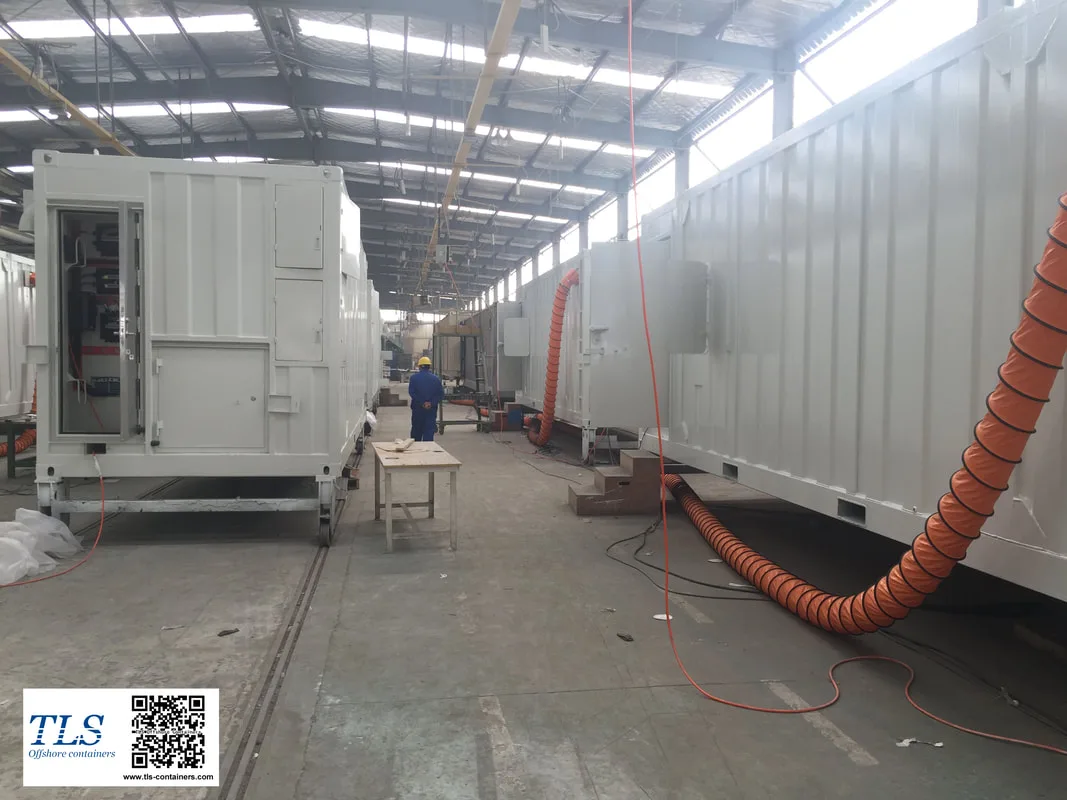
Knowing the different ATEX zones is critical to understanding your requirements under the directive. ATEX distinguishes between several hazardous environments, each with its own specifications for the use of explosion-proof refrigerated containers and other equipment:
· Zone 0 includes any environment where potentially explosive vapor, gas, or mist is present continuously, or for long periods of time.
· Zone 1 includes any environment where potentially explosive vapor, mist, or gas is occasionally present during normal operation.
· Zone 2 includes any environment where potentially explosive vapor, gas, or mist is unlikely to be present during normal operation for more than a short time.
Understanding ATEX Zones ,you can choose your correct offshore containers
TLS Offshore Containers International provide global offshore container and module solutions cost-effectively and efficiently. TLS consistently deliver products of the highest offshore standards to global clients.
Web: www.tls-containers.com Email:sales@tls-containers.com
· Zone 0 includes any environment where potentially explosive vapor, gas, or mist is present continuously, or for long periods of time.
· Zone 1 includes any environment where potentially explosive vapor, mist, or gas is occasionally present during normal operation.
· Zone 2 includes any environment where potentially explosive vapor, gas, or mist is unlikely to be present during normal operation for more than a short time.
Understanding ATEX Zones ,you can choose your correct offshore containers
TLS Offshore Containers International provide global offshore container and module solutions cost-effectively and efficiently. TLS consistently deliver products of the highest offshore standards to global clients.
Web: www.tls-containers.com Email:sales@tls-containers.com
- Published on
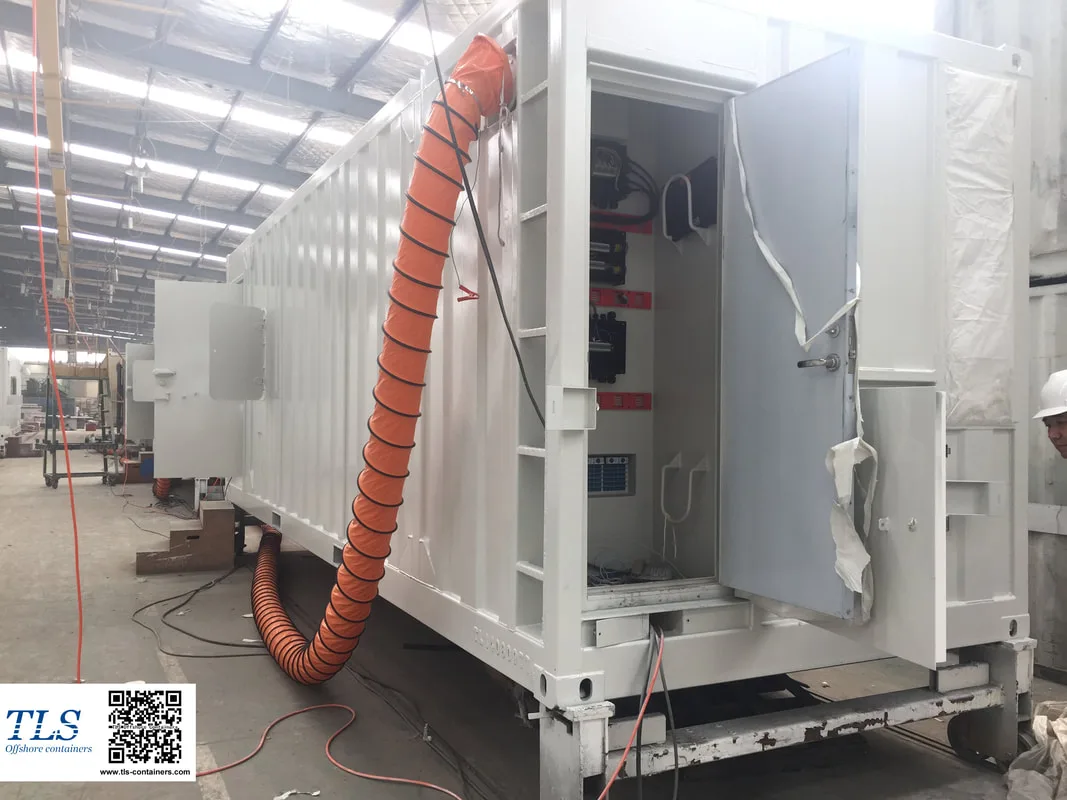
Mud logging cabins, MWD, zone 1 / zone 2 pressurized containers are offered either as a standalone or as an integrated service combined with other services. These cabins are user-friendly. TLS Offshore Containers has many years of experience in designing and manufacturing of Mud logging cabins, MWD, zone 1 / zone 2 pressurized containers. TLS Offshore Containers is among the top manufacturers of pressurization containers in the world.
TLS Offshore International company pride themselves on quality service and delivery, with the advanced technology and highly trained personnel, needed for today’s challenging and FE demands. TLS Offshore Containers collaborates with their partners to provide zone 1 / zone 2 container services, the biggest services company and their rig-site geologist and engineers use the specialised modules of software for advanced logging system to acquire and store lithological data that is combined with engineering data collected from sensors and down-home service offer integrated formation evaluation, monitoring of drilling performance and operational safety.
TLS team of experienced engineers is ready to meet with clients to discuss their requirements. Each container of the company is designed and manufactured under strict accordance to DNV standard.
TLS all offshore containers are marked for offshore use and complete with full material trace report, load test, NDT reports as well as DNV 2.7-1/EN 12079 certificates. TLS Offshore Containers provides global offshore container solutions efficiently and cost-effectively, they consistently deliver products of the highest standards of global clients. They are recognised as a manufacturer of the offshore workshop container, laboratory cabin/container, crane container, generator container, engine container and etc., under DNV2.7-1 and EN12079. Their prime concern is to gain exceeds the expectations of their clients, thereby enhancing production as well as the performance at each and every level.
TLS Offshore Containers International provide global offshore container and module solutions cost-effectively and efficiently. TLS consistently deliver products of the highest offshore standards to global clients. Web: www.tls-containers.com
TLS Offshore International company pride themselves on quality service and delivery, with the advanced technology and highly trained personnel, needed for today’s challenging and FE demands. TLS Offshore Containers collaborates with their partners to provide zone 1 / zone 2 container services, the biggest services company and their rig-site geologist and engineers use the specialised modules of software for advanced logging system to acquire and store lithological data that is combined with engineering data collected from sensors and down-home service offer integrated formation evaluation, monitoring of drilling performance and operational safety.
TLS team of experienced engineers is ready to meet with clients to discuss their requirements. Each container of the company is designed and manufactured under strict accordance to DNV standard.
TLS all offshore containers are marked for offshore use and complete with full material trace report, load test, NDT reports as well as DNV 2.7-1/EN 12079 certificates. TLS Offshore Containers provides global offshore container solutions efficiently and cost-effectively, they consistently deliver products of the highest standards of global clients. They are recognised as a manufacturer of the offshore workshop container, laboratory cabin/container, crane container, generator container, engine container and etc., under DNV2.7-1 and EN12079. Their prime concern is to gain exceeds the expectations of their clients, thereby enhancing production as well as the performance at each and every level.
TLS Offshore Containers International provide global offshore container and module solutions cost-effectively and efficiently. TLS consistently deliver products of the highest offshore standards to global clients. Web: www.tls-containers.com