- Published on
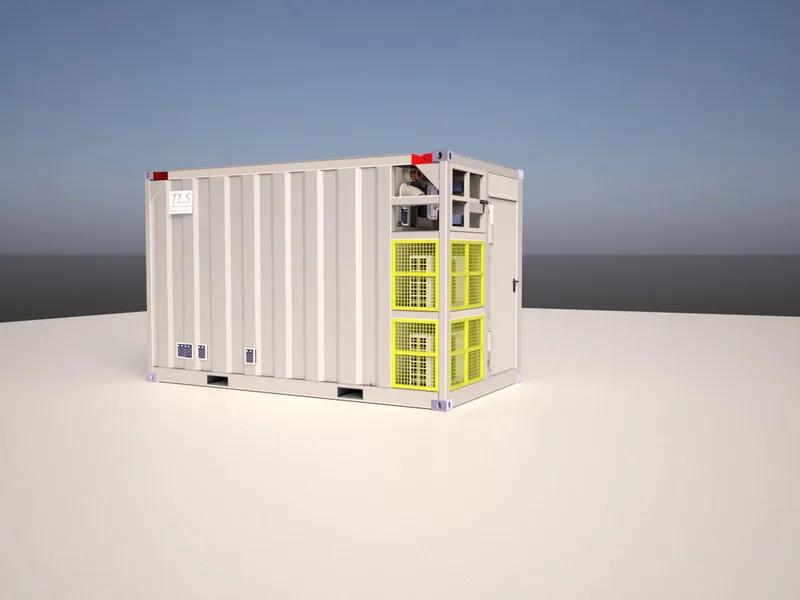
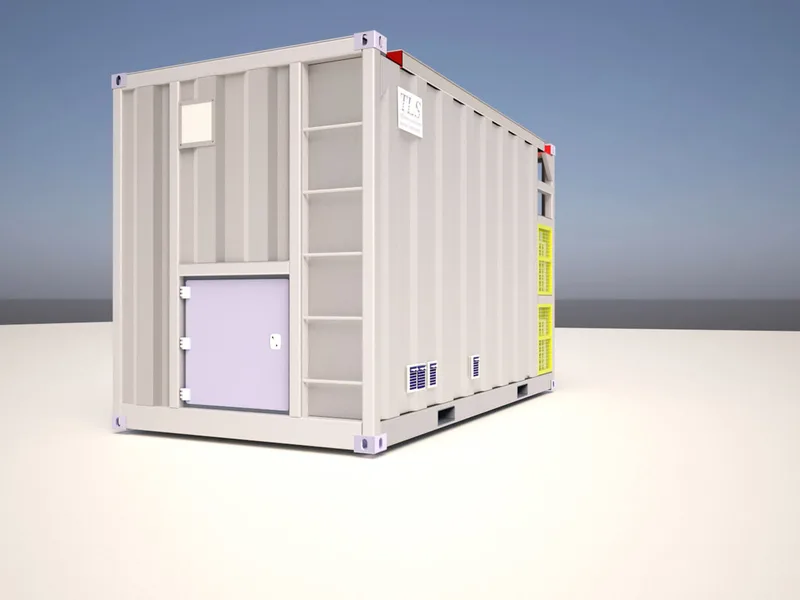
Intelligent pressurized containers are indeed an effective way to provide a safe environment for equipment and people in hazardous areas. By maintaining a positive pressure inside the container, the risk of harmful gas or explosive substances entering the enclosure is greatly reduced, and the equipment and people inside the container are protected from potential explosions.
The positive pressure ventilation system is the key to ensuring the safety of the container. By delivering fresh air from a safe area through ducts, the system purges the air inside the container and maintains a slightly higher air pressure inside the container than outside. This pressure difference prevents hazardous gases or other harmful substances from entering the container.
In the event that the blast control system detects the presence of hazardous gases in the enclosure or fails to maintain positive pressure, the alarm system will sound an alarm and issue a warning. This warning gives the people inside the container time to take appropriate measures to ensure their safety. If the control conditions inside the container are still not met within the specified time, the non-explosive device will automatically cut off, providing an additional layer of protection.
All pressurized containers from TLS are designed, manufactured and certified to the latest DNV 2.7-1, EN 12079 offshore container standards, ATEX, IEC 60079-13 and/or SOLAS standards.This ensures that the containers meet the highest industry standards .
More information about offshore pressurised container/cabin
Don’t hesitate to contact us for more information about the offshore pressurised container. Our skilled engineers are eager to explain the possibilities for your applications.
The positive pressure ventilation system is the key to ensuring the safety of the container. By delivering fresh air from a safe area through ducts, the system purges the air inside the container and maintains a slightly higher air pressure inside the container than outside. This pressure difference prevents hazardous gases or other harmful substances from entering the container.
In the event that the blast control system detects the presence of hazardous gases in the enclosure or fails to maintain positive pressure, the alarm system will sound an alarm and issue a warning. This warning gives the people inside the container time to take appropriate measures to ensure their safety. If the control conditions inside the container are still not met within the specified time, the non-explosive device will automatically cut off, providing an additional layer of protection.
All pressurized containers from TLS are designed, manufactured and certified to the latest DNV 2.7-1, EN 12079 offshore container standards, ATEX, IEC 60079-13 and/or SOLAS standards.This ensures that the containers meet the highest industry standards .
More information about offshore pressurised container/cabin
Don’t hesitate to contact us for more information about the offshore pressurised container. Our skilled engineers are eager to explain the possibilities for your applications.
Written by Mandy
- Published on
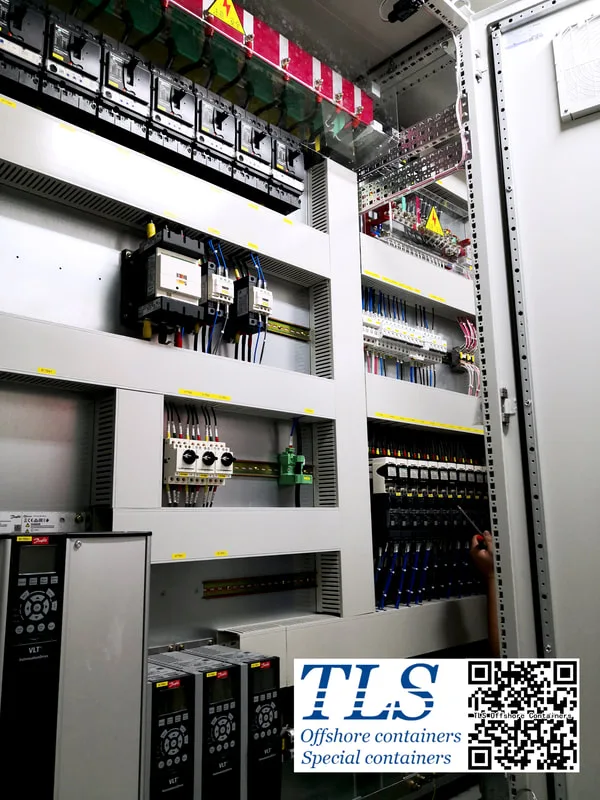
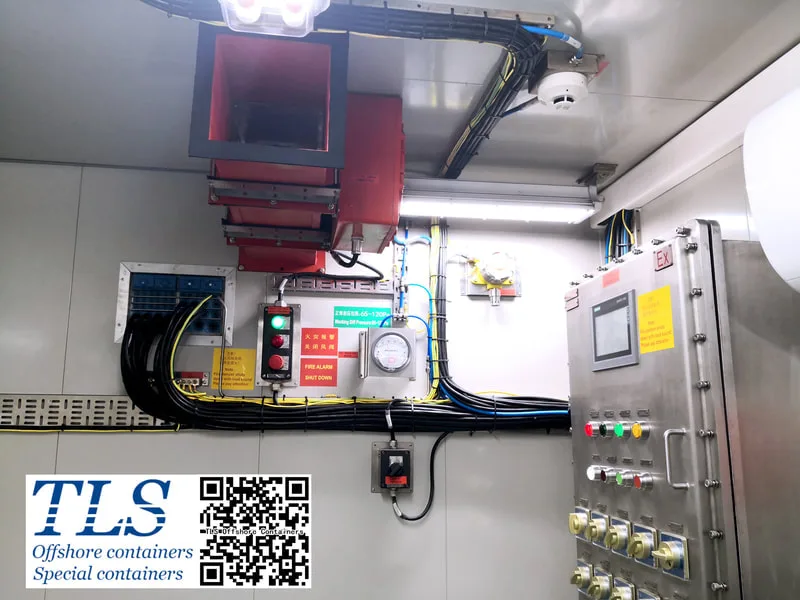
MCC (Motor Control Center), Switchgear, VFD (Variable Frequency Driver), and VSD (Variable Speed Driver) are critical components in industrial applications that require reliable and efficient power distribution, control, and automation. Switchgear Buildings, MCC Buildings or Electrical Houses are constructed to keep your electronic controls and switchgear safe from weather. Without a reliable structure safeguarding your equipment, they can get damaged, which can be dangerous especially when the equipment is outdoors. That's why, protecting switchgear power systems or electrical equipment with a proper Pressurised Shelter is a necessity if you want the project to be success.
The pressurised shelter designed by TLS offers several advantages, including:
Overall, choosing an MCC, Switchgear, VFD, and VSD pressurized shelter designed by TLS can provide a reliable, efficient, and safe solution for power distribution, control, and automation needs in industrial applications.
Product brochures:
Offshore pressurised mud logging cabin brochure
MCC | Switchgear | VFD | VSD pressurised shelter
More information about offshore pressurised container/cabin
Don’t hesitate to contact us for more information about the offshore pressurised container. Our skilled engineers are eager to explain the possibilities for your applications.
The pressurised shelter designed by TLS offers several advantages, including:
- Protection from harsh environments: The pressurised shelter is designed to protect MCC, Switchgear, VFD, and VSD from harsh environments such as extreme temperatures, humidity, dust, and corrosive chemicals.
- Reduced maintenance and downtime: The pressurised shelter's design helps to prevent contamination and extends the life of MCC, Switchgear, VFD, and VSD components. This reduces maintenance and downtime, ensuring continuous operations and minimizing production losses.
- Improved safety: The pressurised shelter is designed to prevent internal arcing and to contain any potential fire within the enclosure. This improves safety and reduces the risk of injury to personnel.
- Customization: TLS pressurised shelters can be customized to meet specific customer requirements, including size, layout, and materials. This allows for greater flexibility in meeting the unique needs of different industrial applications.
- Technical support: TLS provides technical support for the design, installation, and maintenance of the pressurised shelter, ensuring that customers have access to expert advice and assistance throughout the lifecycle of their equipment.
Overall, choosing an MCC, Switchgear, VFD, and VSD pressurized shelter designed by TLS can provide a reliable, efficient, and safe solution for power distribution, control, and automation needs in industrial applications.
Product brochures:
Offshore pressurised mud logging cabin brochure
MCC | Switchgear | VFD | VSD pressurised shelter
More information about offshore pressurised container/cabin
Don’t hesitate to contact us for more information about the offshore pressurised container. Our skilled engineers are eager to explain the possibilities for your applications.
Written by Oliver
- Published on
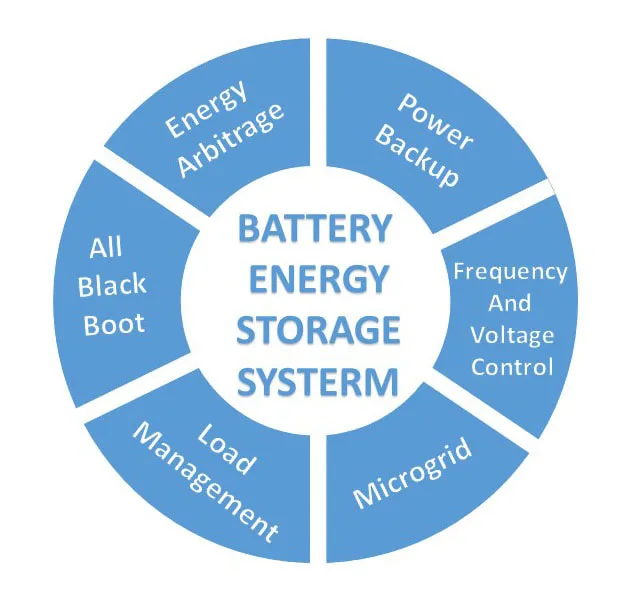
Energy Arbitrage
There is a positive correlation between electricity demand and its cost. Electricity prices increase during periods of peak demand and decrease when demand decreases. Consumers can use batteries for energy arbitrage (aka time shifting).
Consumers can charge the battery at low cost during off-peak hours, and then store the power through the BESS.
The battery can then be discharged when the price of electricity rises, using the lower-priced electricity or selling it to the grid.So homes and businesses can efficiently manage power resources and reduce costs.
Load Management
Electricity consumption varies throughout the day and varies with the seasons, with peak and off-peak periods. BESS allows users to freely adjust energy consumption during these times and save electricity costs.
Peak power regulation is one of the most common use cases for BESS load management. The focus is on reducing power consumption during peak hours. In addition, consumers can reduce their electricity bills like energy arbitrage.
Battery energy storage solutions help avoid peak loads on the grid and therefore avoid blackouts and other emergencies. Discharging the stored energy allows the BESS to offload the grid and provide continuous power without interruption.
All Black Boot
BESS assists power plants and grids in quickly restoring power after outages. Consumers no longer need to use diesel generators and can use battery energy storage systems; this system is a lower cost and more energy efficient black start solution. BESS operates independently of grid transmission lines and delivers power when needed, from minutes to hours.
Power Backup
BESS provides power to homes, businesses and other facilities to keep them running. This is critical for healthcare facilities and other organizations providing health and safety related services. According to the energy storage capacity, BESS can provide backup power for the required length of time, even in the event of a severe grid failure.
Frequency and Voltage Control
If the power supplies are not synchronized to meet the actual demand, the frequency and voltage may exceed the operating limits. This may result in loss of power and blackouts. BESS can ensure the stability of the grid and power system through the regulation of voltage and frequency. Due to the fast reaction time of battery energy storage systems, they can be an effective grid balancing solution.
Microgrid
Some small grids supply electricity to commercial buildings, manufacturing plants or communities when connected to a larger grid. Autonomous microgrids can provide electricity to remote areas and communities such as islands. When combined with BESS and integrated with renewable energy, the microgrid can serve as a resilient power system for multiple users.
The various ways in which battery energy storage systems (BESS) can be used to manage power resources more efficiently, reduce electricity costs, and improve grid stability and resilience. From energy arbitrage to load management, power backup, frequency and voltage control, and integration with autonomous microgrids. The potential of BESS to revolutionize the way we generate, store, and distribute electricity.
There is a positive correlation between electricity demand and its cost. Electricity prices increase during periods of peak demand and decrease when demand decreases. Consumers can use batteries for energy arbitrage (aka time shifting).
Consumers can charge the battery at low cost during off-peak hours, and then store the power through the BESS.
The battery can then be discharged when the price of electricity rises, using the lower-priced electricity or selling it to the grid.So homes and businesses can efficiently manage power resources and reduce costs.
Load Management
Electricity consumption varies throughout the day and varies with the seasons, with peak and off-peak periods. BESS allows users to freely adjust energy consumption during these times and save electricity costs.
Peak power regulation is one of the most common use cases for BESS load management. The focus is on reducing power consumption during peak hours. In addition, consumers can reduce their electricity bills like energy arbitrage.
Battery energy storage solutions help avoid peak loads on the grid and therefore avoid blackouts and other emergencies. Discharging the stored energy allows the BESS to offload the grid and provide continuous power without interruption.
All Black Boot
BESS assists power plants and grids in quickly restoring power after outages. Consumers no longer need to use diesel generators and can use battery energy storage systems; this system is a lower cost and more energy efficient black start solution. BESS operates independently of grid transmission lines and delivers power when needed, from minutes to hours.
Power Backup
BESS provides power to homes, businesses and other facilities to keep them running. This is critical for healthcare facilities and other organizations providing health and safety related services. According to the energy storage capacity, BESS can provide backup power for the required length of time, even in the event of a severe grid failure.
Frequency and Voltage Control
If the power supplies are not synchronized to meet the actual demand, the frequency and voltage may exceed the operating limits. This may result in loss of power and blackouts. BESS can ensure the stability of the grid and power system through the regulation of voltage and frequency. Due to the fast reaction time of battery energy storage systems, they can be an effective grid balancing solution.
Microgrid
Some small grids supply electricity to commercial buildings, manufacturing plants or communities when connected to a larger grid. Autonomous microgrids can provide electricity to remote areas and communities such as islands. When combined with BESS and integrated with renewable energy, the microgrid can serve as a resilient power system for multiple users.
The various ways in which battery energy storage systems (BESS) can be used to manage power resources more efficiently, reduce electricity costs, and improve grid stability and resilience. From energy arbitrage to load management, power backup, frequency and voltage control, and integration with autonomous microgrids. The potential of BESS to revolutionize the way we generate, store, and distribute electricity.
Written by Mandy
- Published on
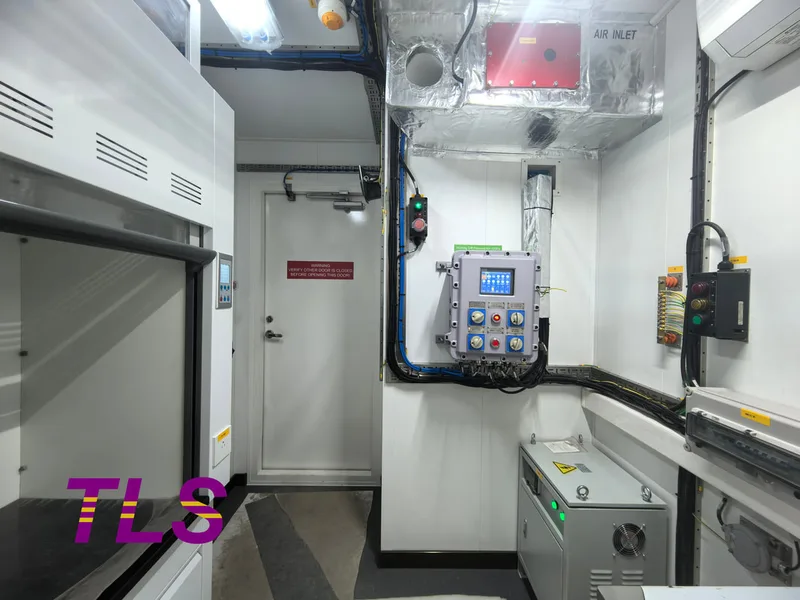
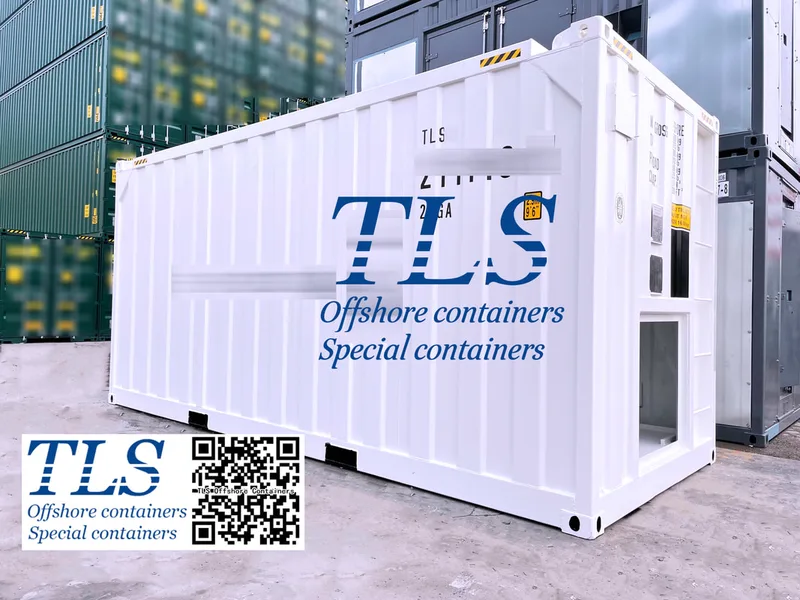
What can you do if you are facing relocation or renovation? When laboratories are only needed temporarily in different locations or when there is simply not enough time to set up a permanent and permanent laboratory? In all the above cases, TLS laboratory containers are the ideal solution for a prompt and flexible response.
Please download laboratory container brochure for reference.
- Quality Made in TLS.
- Container design. Fully pre-installed.
- Modular design. Fast. Easy. Modular.
Please download laboratory container brochure for reference.
Written by Oliver
- Published on
Designing a Battery Energy Storage System (BESS) container in a professional way requires attention to detail, thorough planning, and adherence to industry best practices. Here's a step-by-step guide to help you design a BESS container:
1. Define the project requirements:
Start by outlining the project's scope, budget, and timeline. Determine the specific energy storage capacity, power rating, and application (e.g., grid support, peak shaving, renewable integration, etc.) of the BESS.
2. Select the battery technology:
Choose the appropriate battery technology based on the project requirements, such as lithium-ion, flow batteries, or advanced lead-acid. Consider factors like energy density, cycle life, safety, and cost when making your selection.
3. Size the BESS:
Estimate the required energy capacity and power rating based on the application, and perform load analysis and simulations to ensure the BESS will meet the desired performance metrics.
4. Design the container layout:
Design the container layout to accommodate the battery modules, inverters, transformers, HVAC systems, fire suppression systems, and other necessary equipment. Plan the layout to optimize space utilization, thermal management, and safety.
5. Plan for safety and security:
Incorporate safety measures, such as fire suppression systems, gas and smoke detectors, and emergency ventilation. Also, ensure proper access control and surveillance systems to protect the BESS from unauthorized access or vandalism.
6. Implement thermal management:
Design an effective HVAC system to maintain optimal operating temperatures for the batteries and other components. The thermal management system should be energy-efficient and capable of maintaining temperature uniformity within the container.
7. Electrical design:
Design the electrical system to include battery management systems (BMS), inverters, transformers, switchgear, and protection devices. Ensure proper grounding, short circuit protection, and fault detection.
8. Plan for monitoring and control:
Incorporate a supervisory control and data acquisition (SCADA) system to monitor and control the BESS remotely. The SCADA system should collect real-time data and provide alerts and notifications for any anomalies or maintenance needs.
9. Design for transportability and modularity:
Ensure the container is designed for easy transportation and deployment. Consider using standard ISO container sizes and modular components that can be easily expanded or replaced as needed.
10. Perform simulations and testing:
Simulate the BESS performance under various operating conditions and scenarios to validate the design. Conduct thorough testing of the complete system, including factory acceptance tests (FAT) and site acceptance tests (SAT), to ensure proper operation and compliance with industry standards.
11. Documentation and training:
Prepare detailed documentation of the design, including technical specifications, installation guides, operation manuals, and maintenance procedures. Provide training for the operation and maintenance staff to ensure they are familiar with the system and its components.
By following these steps, you can design a professional and efficient BESS container that meets industry standards and delivers reliable performance.
Among the above considerations, Modularity is a key aspect of designing a BESS container as it allows for scalability, flexibility, and ease of maintenance. In the context of a BESS container, modularity refers to designing the system using standardized, interchangeable components that can be easily combined, expanded, or replaced as needed. Here are some considerations for implementing modularity in a BESS container design:
1. Standardized container sizes:Utilize standardized ISO container sizes for the BESS enclosure to simplify transportation, logistics, and installation. Common sizes include 20-foot, 40-foot, and 45-foot containers, which are widely available and easily transportable by trucks, trains, or ships.
2. Modular battery racks and units:Design the battery racks and units to be modular so they can be easily added, removed, or replaced without affecting the overall system. This allows for easy expansion of the energy storage capacity or replacement of faulty or aged batteries. Ensure compatibility between battery modules, and design them to be easily connected and disconnected.
3. Scalable power conversion systems:
Choose power conversion systems (e.g., inverters, transformers) that are modular and can be easily scaled to match the system's power requirements. This enables you to add or remove power conversion components as needed, depending on the system's growth or changes in application.
4. Modular auxiliary systems:
Design auxiliary systems, such as HVAC, fire suppression, and monitoring systems, to be modular as well. This allows for easy replacement or expansion of these components without disrupting the overall system.
5. Interconnectivity and standardization:
Ensure that all components within the BESS container use standardized connectors and communication protocols to enable seamless interconnectivity between modules. This simplifies integration, expansion, and maintenance.
6. Pre-engineered and pre-assembled components:
Utilize pre-engineered and pre-assembled components to simplify and expedite installation and commissioning. Pre-assembled components can be easily integrated into the container, reducing on-site assembly time and labor costs.
7. Flexibility in layout and design:
Design the container layout with flexibility in mind, enabling easy reconfiguration or expansion of the system. This can be achieved by implementing a modular racking system, which can be easily reorganized or extended as needed.
By incorporating modularity into the design of a BESS container, you can create a system that is easily scalable, adaptable, and maintainable. This will help you meet changing demands, extend the service life of the system, and minimize downtime due to maintenance or component replacement.
1. Define the project requirements:
Start by outlining the project's scope, budget, and timeline. Determine the specific energy storage capacity, power rating, and application (e.g., grid support, peak shaving, renewable integration, etc.) of the BESS.
2. Select the battery technology:
Choose the appropriate battery technology based on the project requirements, such as lithium-ion, flow batteries, or advanced lead-acid. Consider factors like energy density, cycle life, safety, and cost when making your selection.
3. Size the BESS:
Estimate the required energy capacity and power rating based on the application, and perform load analysis and simulations to ensure the BESS will meet the desired performance metrics.
4. Design the container layout:
Design the container layout to accommodate the battery modules, inverters, transformers, HVAC systems, fire suppression systems, and other necessary equipment. Plan the layout to optimize space utilization, thermal management, and safety.
5. Plan for safety and security:
Incorporate safety measures, such as fire suppression systems, gas and smoke detectors, and emergency ventilation. Also, ensure proper access control and surveillance systems to protect the BESS from unauthorized access or vandalism.
6. Implement thermal management:
Design an effective HVAC system to maintain optimal operating temperatures for the batteries and other components. The thermal management system should be energy-efficient and capable of maintaining temperature uniformity within the container.
7. Electrical design:
Design the electrical system to include battery management systems (BMS), inverters, transformers, switchgear, and protection devices. Ensure proper grounding, short circuit protection, and fault detection.
8. Plan for monitoring and control:
Incorporate a supervisory control and data acquisition (SCADA) system to monitor and control the BESS remotely. The SCADA system should collect real-time data and provide alerts and notifications for any anomalies or maintenance needs.
9. Design for transportability and modularity:
Ensure the container is designed for easy transportation and deployment. Consider using standard ISO container sizes and modular components that can be easily expanded or replaced as needed.
10. Perform simulations and testing:
Simulate the BESS performance under various operating conditions and scenarios to validate the design. Conduct thorough testing of the complete system, including factory acceptance tests (FAT) and site acceptance tests (SAT), to ensure proper operation and compliance with industry standards.
11. Documentation and training:
Prepare detailed documentation of the design, including technical specifications, installation guides, operation manuals, and maintenance procedures. Provide training for the operation and maintenance staff to ensure they are familiar with the system and its components.
By following these steps, you can design a professional and efficient BESS container that meets industry standards and delivers reliable performance.
Among the above considerations, Modularity is a key aspect of designing a BESS container as it allows for scalability, flexibility, and ease of maintenance. In the context of a BESS container, modularity refers to designing the system using standardized, interchangeable components that can be easily combined, expanded, or replaced as needed. Here are some considerations for implementing modularity in a BESS container design:
1. Standardized container sizes:Utilize standardized ISO container sizes for the BESS enclosure to simplify transportation, logistics, and installation. Common sizes include 20-foot, 40-foot, and 45-foot containers, which are widely available and easily transportable by trucks, trains, or ships.
2. Modular battery racks and units:Design the battery racks and units to be modular so they can be easily added, removed, or replaced without affecting the overall system. This allows for easy expansion of the energy storage capacity or replacement of faulty or aged batteries. Ensure compatibility between battery modules, and design them to be easily connected and disconnected.
3. Scalable power conversion systems:
Choose power conversion systems (e.g., inverters, transformers) that are modular and can be easily scaled to match the system's power requirements. This enables you to add or remove power conversion components as needed, depending on the system's growth or changes in application.
4. Modular auxiliary systems:
Design auxiliary systems, such as HVAC, fire suppression, and monitoring systems, to be modular as well. This allows for easy replacement or expansion of these components without disrupting the overall system.
5. Interconnectivity and standardization:
Ensure that all components within the BESS container use standardized connectors and communication protocols to enable seamless interconnectivity between modules. This simplifies integration, expansion, and maintenance.
6. Pre-engineered and pre-assembled components:
Utilize pre-engineered and pre-assembled components to simplify and expedite installation and commissioning. Pre-assembled components can be easily integrated into the container, reducing on-site assembly time and labor costs.
7. Flexibility in layout and design:
Design the container layout with flexibility in mind, enabling easy reconfiguration or expansion of the system. This can be achieved by implementing a modular racking system, which can be easily reorganized or extended as needed.
By incorporating modularity into the design of a BESS container, you can create a system that is easily scalable, adaptable, and maintainable. This will help you meet changing demands, extend the service life of the system, and minimize downtime due to maintenance or component replacement.
- Published on
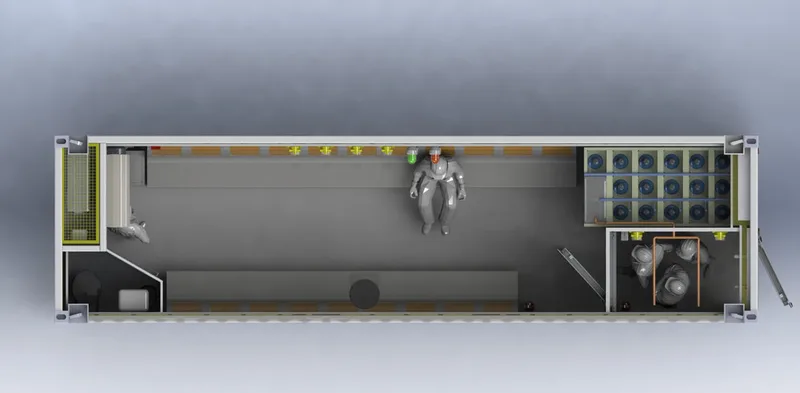
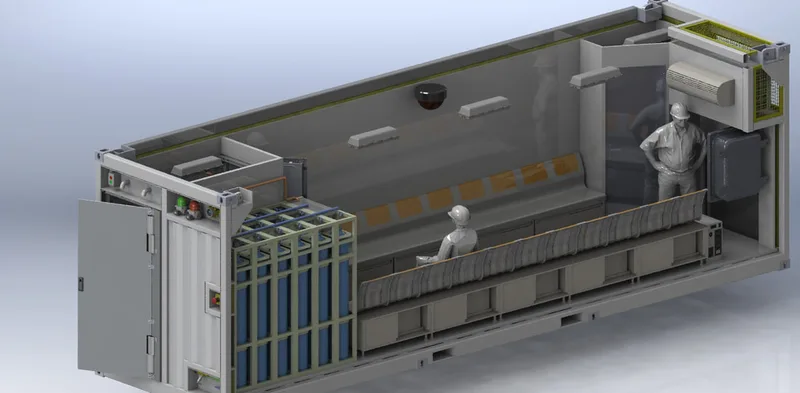
Temporary refuge shelters are an important facility used in hazardous environments, such as the oil & gas industry and the chemical industry, etc.
During oil and gas exploration and production, accidents may occur, such as oil spills, fires, etc., and chemical releases or explosions may also occur during chemical operations. These unexpected events may lead to the evacuation and closure of the working platform, so the temporary refuge shelter can provide a safe place for workers on the platform to wait for rescue in a safe environment.
HVAC and positive pressure systems inside the shelter protect personnel and equipment from harsh outdoor conditions such as extreme weather, dust, sand, storms, H2S, CH4 or other toxic gas pollution, explosions, etc. Provide evacuees with breathable air for 1-4 hours in a closed TR shelter room. And communication device could be set in the shelter to communicate with the outside world.
TR shelter is one of TLS' featured products, please do not hesitate to contact us for more information about the temporary refuge shelter and toxic gas refuge.
During oil and gas exploration and production, accidents may occur, such as oil spills, fires, etc., and chemical releases or explosions may also occur during chemical operations. These unexpected events may lead to the evacuation and closure of the working platform, so the temporary refuge shelter can provide a safe place for workers on the platform to wait for rescue in a safe environment.
HVAC and positive pressure systems inside the shelter protect personnel and equipment from harsh outdoor conditions such as extreme weather, dust, sand, storms, H2S, CH4 or other toxic gas pollution, explosions, etc. Provide evacuees with breathable air for 1-4 hours in a closed TR shelter room. And communication device could be set in the shelter to communicate with the outside world.
TR shelter is one of TLS' featured products, please do not hesitate to contact us for more information about the temporary refuge shelter and toxic gas refuge.
Written by Mandy
- Published on
The process of container shell:
Step 1: Plate and section steel pretreatment
Step 2: Stamping
Step 3: Welded prefabrication
Step 4: Bottom structure, End structure, Top and side structure fabrication
Step 5: Final assembly
Step 6: Lifting and drop test
Step 7: Flaw detection inspection
Step 8: Sanding
Step 9: Painting
Step 1: Plate and section steel pretreatment
Step 2: Stamping
Step 3: Welded prefabrication
Step 4: Bottom structure, End structure, Top and side structure fabrication
Step 5: Final assembly
Step 6: Lifting and drop test
Step 7: Flaw detection inspection
Step 8: Sanding
Step 9: Painting
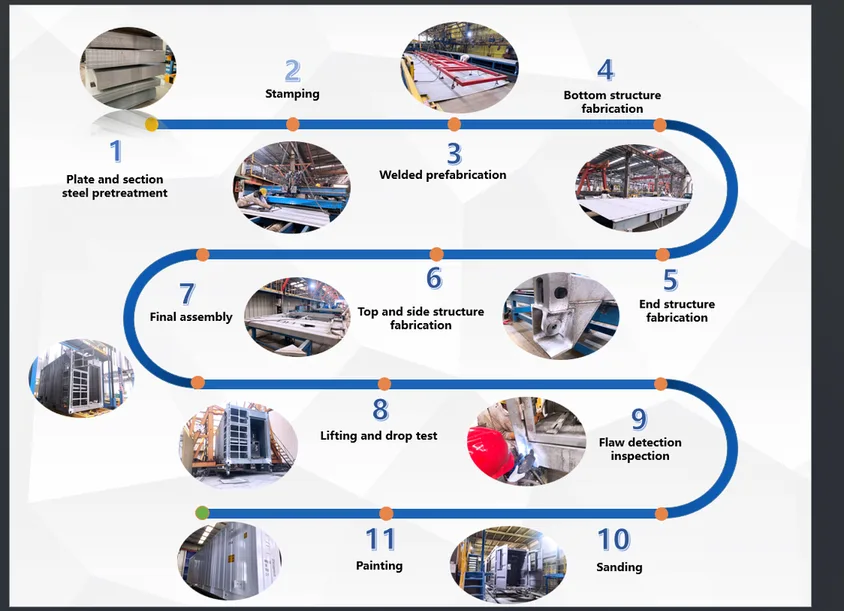
TLS offshore containers specialize in providing customized solutions and comply with strict offshore standards in our production process
If you want to know more details, please feel free to contact us.
E-mail: sales@tls-containers.com
Hotline: +65-65637288; +65-31386967
If you want to know more details, please feel free to contact us.
E-mail: sales@tls-containers.com
Hotline: +65-65637288; +65-31386967
Written by Oliver
- Published on
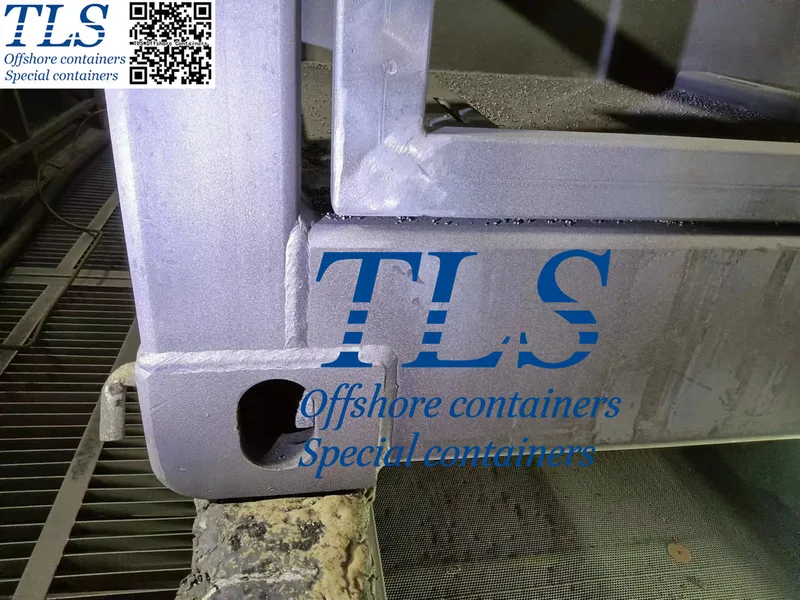
As an important tool for offshore operations, offshore containers must undergo strict testing and maintenance to ensure their safety and reliability. NDT is an important method for offshore container inspection,which can effectively detect defects, cracks and fatigue on the surface of containers, and ensuring the reliability and safety of the container.
Some common methods of NDT for offshore containers are: ultrasonic testing (UT), magnetic particle testing (MPT), eddy current testing (ECT), X-ray testing.
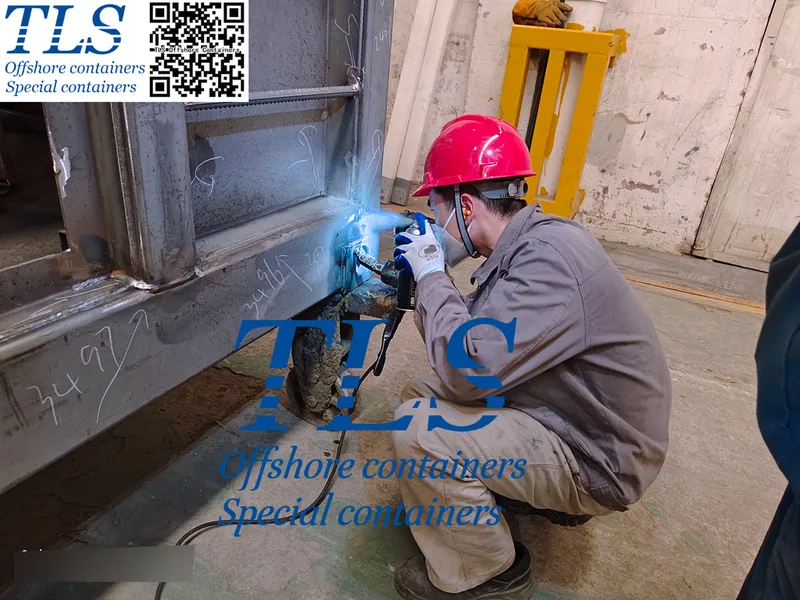
TLS usually adopts the method of MPT. This detection is based on the adsorption characteristics of magnetic powder under the action of a magnetic field. By coating a layer of magnetic powder on the surface of the container and detecting the distribution of the magnetic powder under the action of a magnetic field, it reveals cracks and defects. The specific detection process is as follows:
Some common methods of NDT for offshore containers are: ultrasonic testing (UT), magnetic particle testing (MPT), eddy current testing (ECT), X-ray testing.
TLS usually adopts the method of MPT. This detection is based on the adsorption characteristics of magnetic powder under the action of a magnetic field. By coating a layer of magnetic powder on the surface of the container and detecting the distribution of the magnetic powder under the action of a magnetic field, it reveals cracks and defects. The specific detection process is as follows:
- Container surface preparation: Firstly, the surface of the container needs to be cleaned and treated to ensure that the surface is free of any impurities, grease and other substances
- Apply magnetic powder: Apply magnetic powder to the surface of the container so that it covers the entire surface evenly. Magnetic powder is generally composed of iron powder and magnetic particles, and can be applied by mechanical spraying, manual brushing or gas spraying.
- Magnetic field effect: Place the container in the magnetic field so that the magnetic field passes through the surface of the container. The magnetic field can be a constant magnetic field or an alternating magnetic field, depending on the requirements of the inspection and the characteristics of the container surface.
- Detection of magnetic powder: Use tools such as light source or magnetic induction probe to detect the distribution of magnetic powder, thereby revealing cracks and defects
Written by Mandy
- Published on
As the world's population continues to grow, so does the demand for resources, including oil and gas. As a result, the energy sector has become increasingly important, with companies investing in offshore exploration and production activities. Offshore accommodation modules have emerged as a vital solution for the industry.
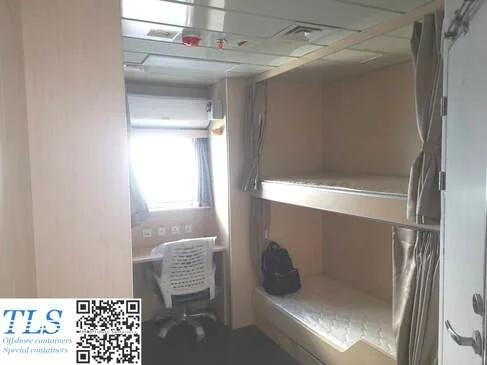
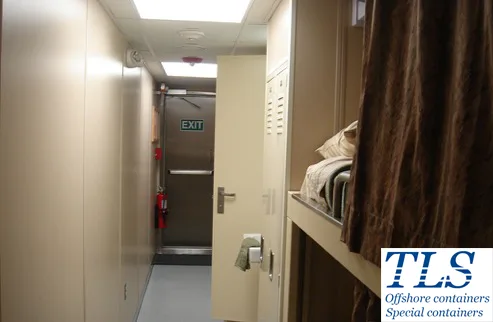
Offshore accommodation modules, also known as living quarters or offshore living quarters, are specialized housing units designed to provide comfortable living conditions for personnel working in remote offshore locations. These modules are constructed off-site and transported to their final location, where they are installed onto offshore platforms.
There are several reasons why offshore accommodation modules are essential to the industry.
In conclusion, offshore accommodation modules are an essential solution for the energy industry. They provide safe, comfortable, and flexible accommodation for personnel working in challenging offshore environments. They also contribute to environmental sustainability and can help to attract and retain talent in the industry. As the demand for energy continues to grow, the use of offshore accommodation modules is likely to become even more critical for the industry's success.
Please download TLS accommodation modular brochure, TLS ABS approved offshore accommodation module brochure for reference.
Offshore accommodation modules, also known as living quarters or offshore living quarters, are specialized housing units designed to provide comfortable living conditions for personnel working in remote offshore locations. These modules are constructed off-site and transported to their final location, where they are installed onto offshore platforms.
There are several reasons why offshore accommodation modules are essential to the industry.
- Firstly, offshore platforms are often located in harsh and remote environments, such as offshore oil and gas platforms or deep waters, where living conditions can be challenging. The use of offshore accommodation modules ensures that personnel can work in comfortable living conditions, which can lead to increased productivity and efficiency.
- Secondly, offshore accommodation modules can be customized to meet specific requirements, such as the number of personnel to be accommodated, the length of the project, and the specific environmental conditions. This level of flexibility allows companies to optimize their operations and minimize costs.
- Thirdly, offshore accommodation modules are designed to be safe and secure. They are equipped with advanced safety features, including fire suppression systems, emergency evacuation procedures, and advanced communication systems. These features ensure that personnel are protected in the event of an emergency.
- Fourthly, offshore accommodation modules can also contribute to environmental sustainability. Companies can invest in modules that are energy-efficient, using renewable energy sources such as solar or wind power. This approach can help to reduce the carbon footprint of offshore operations and contribute to the industry's sustainability goals.
- Lastly, offshore accommodation modules can help to attract and retain talent in the industry. Personnel working offshore can spend weeks or even months away from home and family, and living in comfortable and secure accommodation can help to improve their quality of life. This, in turn, can help to attract and retain talent in the industry and improve overall job satisfaction.
In conclusion, offshore accommodation modules are an essential solution for the energy industry. They provide safe, comfortable, and flexible accommodation for personnel working in challenging offshore environments. They also contribute to environmental sustainability and can help to attract and retain talent in the industry. As the demand for energy continues to grow, the use of offshore accommodation modules is likely to become even more critical for the industry's success.
Please download TLS accommodation modular brochure, TLS ABS approved offshore accommodation module brochure for reference.
Written by Oliver
- Published on
The Container Compressive Capacity Test, also referred to as the Vertical Impact Test, is a widely used method for evaluating the safety performance of containers during transportation. This test is specifically designed to determine the compressive capacity of containers when subjected to vertical impact. The following testing criteria are strictly adhered to:
TLS Offshore Containers Int. ensures that all of its products are meticulously produced and tested in strict compliance with international standards.
- The container is loaded with a uniformly distributed load equivalent to its rated weight, exclusive of the spreader, as well as the mass of the empty container along with its attachments, excluding the spreader. The load is then securely fastened.
- The testing is conducted on a flat concrete floor or any other hard ground, with wooden boards not exceeding a thickness of 50mm allowed to be placed on the ground.
- The container is tilted and lifted to an angle not less than 5° between the side beams and end beams connected to the lowest corner on the bottom of the container and the ground. The height difference between the lowest and highest corner points on the bottom surface of the container should not exceed 400mm.
- The lowest corner point of the container with the weakest stiffness is selected as the point of impact during the test.
- The container's initial impact velocity when touching the ground should not be less than 1m/s, and its lowest corner should be at least 50mm above the ground.
- Upon completion of the test, the container should not display any significant permanent deformation or damage, while minor repairable open welds and deformations are permitted.
TLS Offshore Containers Int. ensures that all of its products are meticulously produced and tested in strict compliance with international standards.
Written by Mandy