- Published on
In today's dynamic industrial landscape, where hazardous environments are commonplace, the need for safe and efficient workspaces is paramount. Companies operating in offshore oil and gas exploration, chemical processing, and other high-risk industries understand the significance of ensuring employee safety while maintaining productivity. This is where offshore pressurized containers, serving as offices in hazardous areas, emerge as indispensable assets. In this article, we explore the importance of these specialized containers and how they contribute to the overall well-being of workers in perilous work environments.
Enhancing Safety:
Boosting Efficiency:
Conclusion:
The importance of offshore pressurized containers as offices in hazardous areas cannot be overstated. With their emphasis on safety, compliance with regulations, and the ability to enhance operational efficiency, these specialized containers prove to be indispensable assets for companies operating in high-risk industries. By prioritizing the well-being of employees and providing them with secure and efficient workspaces, businesses can effectively mitigate risks, maximize productivity, and contribute to the overall success of their operations. In an era where safety and productivity go hand in hand, offshore pressurized containers serve as a tangible testament to the commitment of companies towards ensuring a secure and thriving workplace environment in hazardous areas.
TLS Offshore Containers / TLS Special Containers is a global supplier of standard and customised containerised solutions.
Wherever you are in the world TLS can help you, please contact us.
Regarding Intelligent pressurized containers from TLS , please download Offshore pressurised mud logging cabin brochure and MCC | Switchgear | VFD | VSD pressurised shelter for reference.
#Offshore pressurized containers #Hazardous area offices #Safety #Efficiency #Industrial workplaces #Offshore oil and gas #Chemical processing #High-risk industries #Employee well-being #Containment
Enhancing Safety:
- Containment and Isolation: Offshore pressurized containers provide an unparalleled level of safety by effectively containing and isolating workers from hazardous elements present in the surrounding environment. Whether it's flammable gases, toxic chemicals, or explosive materials, these containers act as robust barriers, safeguarding employees from potential harm.
- Explosion-Proof Design: Constructed with rigorous safety standards in mind, these containers are engineered to withstand high levels of pressure and temperature. They incorporate explosion-proof features such as reinforced walls, blast-resistant doors, and specially designed ventilation systems, effectively reducing the risk of catastrophic events in hazardous areas.
- Compliance with Regulatory Standards: Offshore pressurized containers adhere to strict industry regulations and standards, ensuring full compliance with safety protocols. These containers undergo meticulous inspections, certifications, and regular maintenance, guaranteeing a secure environment that meets or exceeds all relevant safety requirements.
Boosting Efficiency:
- Seamless Mobility: Offshore pressurized containers are designed for mobility, allowing for swift deployment and relocation as project requirements change. Their modular and transportable nature enables companies to efficiently establish fully functional office spaces in hazardous areas without compromising safety or productivity.
- Streamlined Operations: By placing offices in close proximity to the worksite, companies can streamline operations and reduce time-consuming logistics associated with commuting to and from remote locations. This not only optimizes productivity but also enables prompt decision-making, faster response times, and improved collaboration among team members.
- Integrated Infrastructure: Offshore pressurized containers can be equipped with state-of-the-art technology, providing a comprehensive range of facilities and amenities. These containers can house communication systems, computer networks, electrical connections, climate control mechanisms, and more, enabling employees to work efficiently and comfortably in demanding environments.
Conclusion:
The importance of offshore pressurized containers as offices in hazardous areas cannot be overstated. With their emphasis on safety, compliance with regulations, and the ability to enhance operational efficiency, these specialized containers prove to be indispensable assets for companies operating in high-risk industries. By prioritizing the well-being of employees and providing them with secure and efficient workspaces, businesses can effectively mitigate risks, maximize productivity, and contribute to the overall success of their operations. In an era where safety and productivity go hand in hand, offshore pressurized containers serve as a tangible testament to the commitment of companies towards ensuring a secure and thriving workplace environment in hazardous areas.
TLS Offshore Containers / TLS Special Containers is a global supplier of standard and customised containerised solutions.
Wherever you are in the world TLS can help you, please contact us.
Regarding Intelligent pressurized containers from TLS , please download Offshore pressurised mud logging cabin brochure and MCC | Switchgear | VFD | VSD pressurised shelter for reference.
#Offshore pressurized containers #Hazardous area offices #Safety #Efficiency #Industrial workplaces #Offshore oil and gas #Chemical processing #High-risk industries #Employee well-being #Containment
Written by Oliver
- Published on
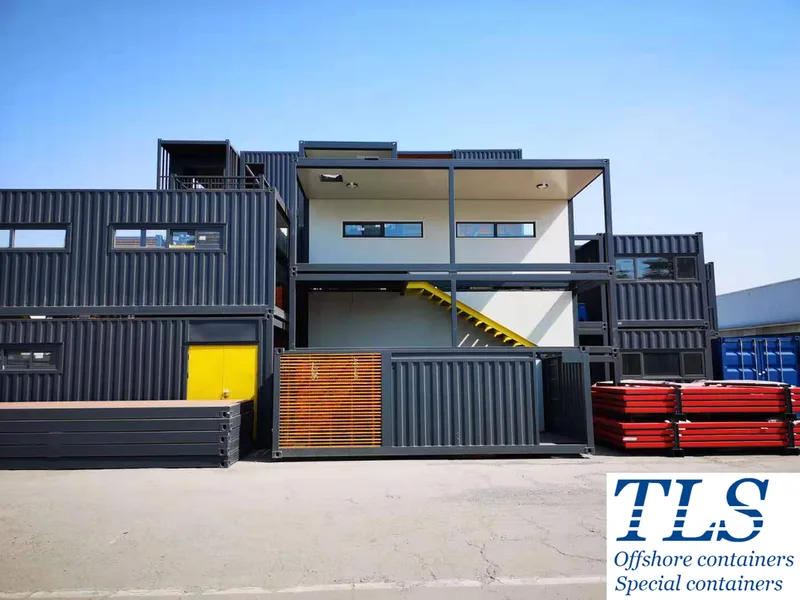
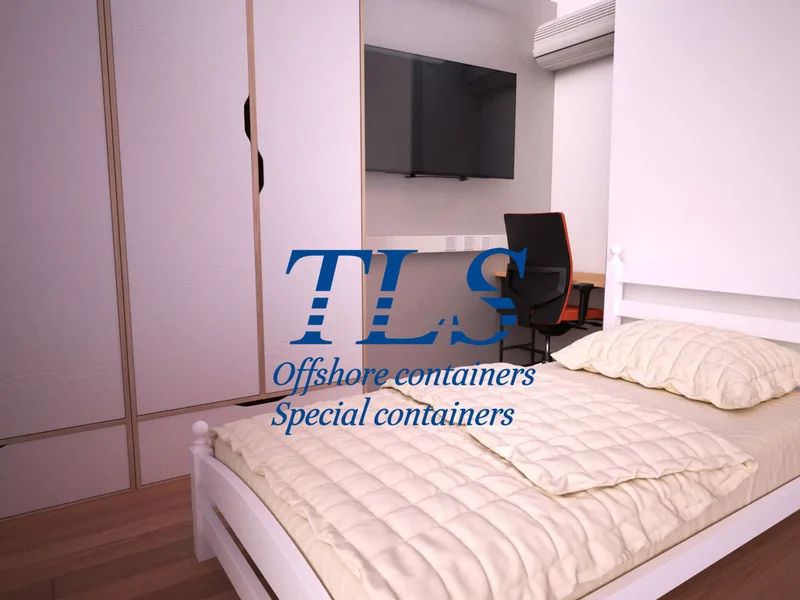
In recent years, the concept of accommodation containers has gained significant popularity as a unique and innovative solution for modern living. These versatile structures offer an array of benefits, from cost-effectiveness and sustainability to flexibility and mobility. In this article, we delve into the world of accommodation containers, exploring their advantages, potential applications, and why they have become a hot topic in the construction and housing industries.
Conclusion:
Accommodation containers have emerged as an exciting and practical solution for modern living. Their cost-effectiveness, sustainability, flexibility, and adaptability make them an attractive choice for individuals, businesses, and communities alike. As the demand for affordable housing and sustainable construction grows, accommodation containers are poised to play a significant role in shaping the future of the housing industry. Whether it's for temporary accommodation, permanent housing, or commercial purposes, these unique structures offer endless possibilities for those seeking a fresh and unconventional approach to living.
TLS Offshore Containers / TLS Special Containers is a global supplier of standard and customised containerised solutions.
Wherever you are in the world TLS can help you, please contact us.
More information about accommodation modulars, offshore accommodation cabins, gallery module, mess module, etc. Please download TLS accommodation modular brochure , TLS ABS approved offshore accommodation module brochure for reference.
#Accommodation containers #Shipping containers #Modular housing #Affordable housing #Sustainable living #Eco-friendly housing #Cost-effective housing #Container homes #Portable housing #Flexible living spaces
- Accommodation Containers: An Overview:
- Cost-Effectiveness:
- Sustainability and Eco-Friendliness:
- Flexibility and Adaptability:
- Applications and Future Potential:
Conclusion:
Accommodation containers have emerged as an exciting and practical solution for modern living. Their cost-effectiveness, sustainability, flexibility, and adaptability make them an attractive choice for individuals, businesses, and communities alike. As the demand for affordable housing and sustainable construction grows, accommodation containers are poised to play a significant role in shaping the future of the housing industry. Whether it's for temporary accommodation, permanent housing, or commercial purposes, these unique structures offer endless possibilities for those seeking a fresh and unconventional approach to living.
TLS Offshore Containers / TLS Special Containers is a global supplier of standard and customised containerised solutions.
Wherever you are in the world TLS can help you, please contact us.
More information about accommodation modulars, offshore accommodation cabins, gallery module, mess module, etc. Please download TLS accommodation modular brochure , TLS ABS approved offshore accommodation module brochure for reference.
#Accommodation containers #Shipping containers #Modular housing #Affordable housing #Sustainable living #Eco-friendly housing #Cost-effective housing #Container homes #Portable housing #Flexible living spaces
Written by Oliver
- Published on
Offshore reefer containers play a crucial role in preserving the freshness and quality of goods during maritime transportation. To ensure optimal performance and proper functioning of these containers, it is essential to follow key usage guidelines and maintenance practices. This blog presents a concise guide on using and maintaining offshore reefer containers effectively.
Remember that proper usage and maintenance are key to unlocking the full potential of offshore reefer containers for sea transport. Following these best practices will help protect the integrity of goods, prolong the lifespan of the containers, and minimize the risk of disruptions and damages.
- Importance of Proper Packaging:
- Temperature Setting and Monitoring:
- Proper Stowage and Securing:
- Accuracy in Manifest and Labeling:
- Minimize Door Openings:
- Regular Cleaning of the Container:
- Inspection of Seals and Auxiliary Equipment:
- Scheduled Inspection of Refrigeration System:
- Corrosion Prevention and Rust Treatment:
- Periodic Maintenance and Repairs:
- Insurance Coverage and Emergency Preparedness:
- Regular Training and Knowledge Updates:
Remember that proper usage and maintenance are key to unlocking the full potential of offshore reefer containers for sea transport. Following these best practices will help protect the integrity of goods, prolong the lifespan of the containers, and minimize the risk of disruptions and damages.
- Published on
Introduction:
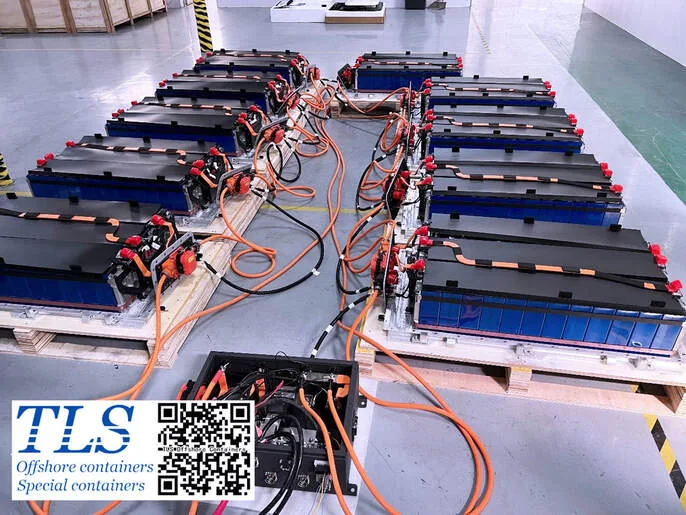
As the demand for renewable energy sources continues to grow, battery energy storage systems (BESS) have emerged as a key solution for storing and distributing clean energy. Within the BESS infrastructure, battery system containers play a crucial role in ensuring the efficient and reliable operation of the overall energy storage system. In this article, we will explore the importance of battery systems for BESS containers and discuss key considerations to optimize their performance.
Conclusion:
Battery systems are the backbone of battery energy storage system containers, enabling efficient and reliable energy storage and distribution. By considering factors such as battery chemistry, scalability, BMS, thermal management, and safety measures, the performance and lifespan of these battery systems can be optimized. The benefits include enhanced efficiency, extended battery life, improved grid stability, and cost optimization. As renewable energy continues to gain momentum, the development of advanced battery systems will play a crucial role in supporting a sustainable and resilient energy future.
TLS Offshore Containers / TLS Special Containers is a global supplier of standard and customised containerised solutions.
Wherever you are in the world TLS can help you, please contact us.
Regarding the Battery Energy Storage System (BESS) container, please download Energy Storage System (ESS) Containers brochure for reference.
#Battery energy storage system #BESS containers #Battery systems #Energy storage #Renewable energy #Efficiency #Reliability #Battery chemistry #Lithium-ion batteries #Flow batteries
As the demand for renewable energy sources continues to grow, battery energy storage systems (BESS) have emerged as a key solution for storing and distributing clean energy. Within the BESS infrastructure, battery system containers play a crucial role in ensuring the efficient and reliable operation of the overall energy storage system. In this article, we will explore the importance of battery systems for BESS containers and discuss key considerations to optimize their performance.
- Understanding the Role of Battery Systems in BESS Containers:
- Key Considerations for Battery Systems in BESS Containers:
- Battery Chemistry: The choice of battery chemistry greatly impacts the performance of the BESS container. Lithium-ion batteries are the most commonly used due to their high energy density, longer lifespan, and faster response times. However, other chemistries like flow batteries and advanced lead-acid batteries can also be considered depending on specific project requirements.
- Scalability and Modular Design: BESS containers should be designed with scalability in mind, allowing for easy expansion or modification of the energy storage capacity. Modular battery systems enable flexible configurations and simplify maintenance, reducing downtime and operational costs.
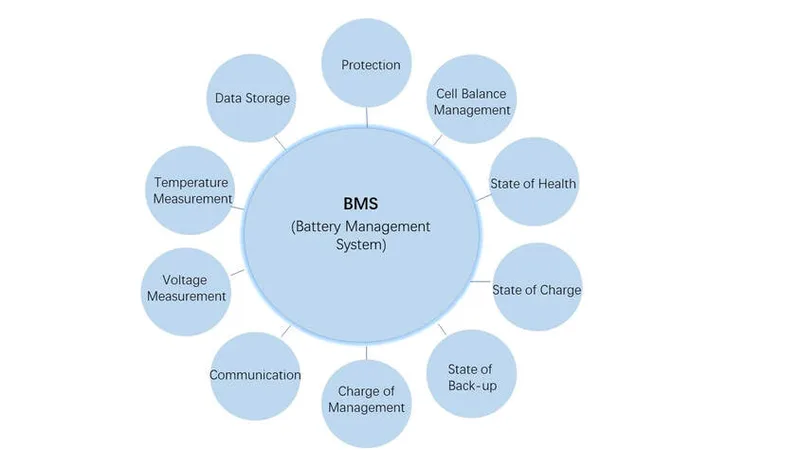
- Battery Management System (BMS): An efficient BMS is crucial for monitoring and controlling the battery system within the container. It ensures optimal charging and discharging cycles, monitors individual cell performance, and safeguards against overcharging or overheating. A robust BMS improves battery longevity, minimizes safety risks, and enhances overall system reliability.
- Thermal Management: Maintaining appropriate operating temperatures within the BESS container is vital for battery performance and longevity. Effective thermal management systems, such as cooling and insulation, prevent overheating and thermal runaway, safeguarding the batteries and enhancing their lifespan.
- Safety and Redundancy Measures: Battery systems should incorporate multiple layers of safety measures, including fire suppression systems, thermal sensors, and redundant electrical protection mechanisms. These precautions help prevent catastrophic failures, ensuring the safety of personnel and preserving the integrity of the BESS infrastructure.
- Advantages of Optimized Battery Systems:
- Enhanced Efficiency: Well-designed battery systems minimize energy losses during charging and discharging cycles, maximizing overall system efficiency. This translates into higher economic returns and improved grid stability.
- Extended Battery Lifespan: Optimal battery management and thermal regulation significantly extend the lifespan of the battery systems, reducing the need for frequent replacements and lowering maintenance costs.
- Grid Integration and Stability: Reliable battery systems contribute to improved grid stability by providing a steady supply of energy during peak demand periods or when intermittent renewable sources are unavailable. This enhances the integration of renewable energy into the existing power infrastructure.
- Cost Optimization: Battery systems optimized for efficiency and reliability reduce operational costs by maximizing the utilization of stored energy, minimizing wastage, and reducing downtime for maintenance or repairs.
Conclusion:
Battery systems are the backbone of battery energy storage system containers, enabling efficient and reliable energy storage and distribution. By considering factors such as battery chemistry, scalability, BMS, thermal management, and safety measures, the performance and lifespan of these battery systems can be optimized. The benefits include enhanced efficiency, extended battery life, improved grid stability, and cost optimization. As renewable energy continues to gain momentum, the development of advanced battery systems will play a crucial role in supporting a sustainable and resilient energy future.
TLS Offshore Containers / TLS Special Containers is a global supplier of standard and customised containerised solutions.
Wherever you are in the world TLS can help you, please contact us.
Regarding the Battery Energy Storage System (BESS) container, please download Energy Storage System (ESS) Containers brochure for reference.
#Battery energy storage system #BESS containers #Battery systems #Energy storage #Renewable energy #Efficiency #Reliability #Battery chemistry #Lithium-ion batteries #Flow batteries
Written by Oliver
- Published on
Explore the key factors in selecting the most suitable battery modules for Battery Energy Storage Systems (BESS). Understand the role of battery chemistry, energy capacity, lifespan, operating conditions, cost, and safety in optimizing your BESS performance. Discover how to balance these considerations for an efficient and reliable energy storage solution.
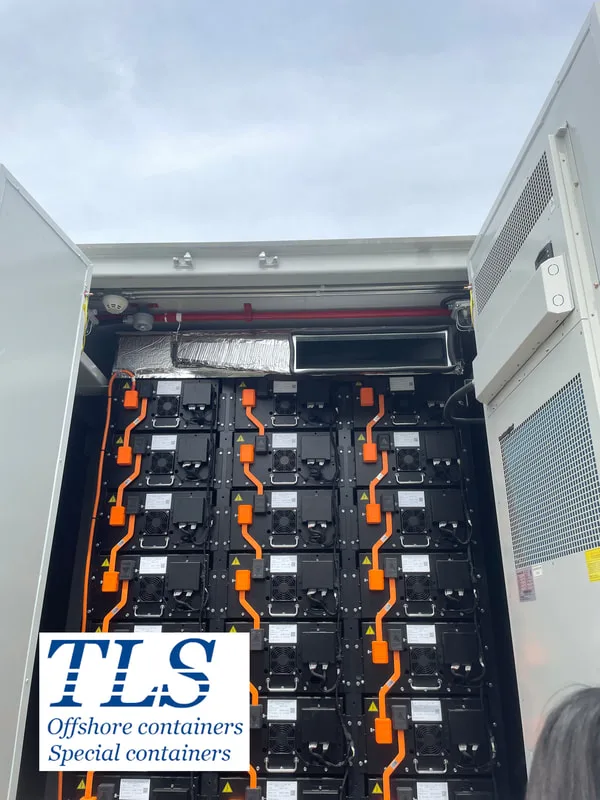
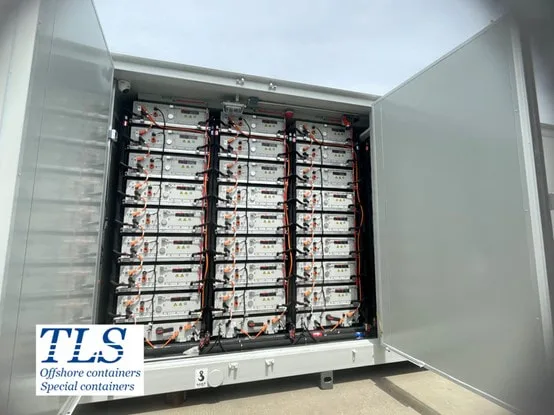
Battery modules are the fundamental building blocks of Battery Energy Storage Systems (BESS). They are essentially a group of interconnected battery cells that store and release electrical energy. The choice of battery modules for a BESS container depends on several factors, and understanding these can help in selecting the most suitable modules.
1. **Battery Chemistry**: The type of battery chemistry is a crucial factor. Different chemistries, such as lithium-ion, lead-acid, or nickel-cadmium, have different characteristics, including energy density, lifespan, cost, and safety profile. For instance, lithium-ion batteries have a high energy density and long lifespan, making them a popular choice for many BESS applications.
2. **Energy Capacity and Power Output**: The energy capacity (measured in kilowatt-hours, kWh) and power output (measured in kilowatts, kW) of the battery module should match the requirements of the BESS. Energy capacity determines how much energy the BESS can store, while power output determines how much energy it can deliver at any given moment.
3. **Lifespan and Cycle Life**: The lifespan of the battery module, often measured in cycles, is another important consideration. A cycle refers to one complete charge and discharge of the battery. Some battery chemistries can withstand more cycles than others before their performance begins to degrade.
4. **Operating Conditions**: The environmental and operating conditions where the BESS will be installed can also influence the choice of battery modules. Some batteries perform better in high temperatures, while others are more suited to cold climates. Similarly, some batteries can handle frequent and deep discharges better than others.
5. **Cost and Availability**: The cost of the battery modules and their availability can also be deciding factors. While some battery types may be ideal in terms of performance, they may be too expensive or not readily available, making them less suitable.
6. **Safety and Management Systems**: Finally, the safety features and management systems of the battery modules are crucial. Good battery modules should have robust safety mechanisms to prevent issues like overcharging or thermal runaway. They should also have advanced battery management systems to monitor and control cell performance, ensuring optimal operation and longevity.
In conclusion, choosing the right battery modules for a BESS container involves a careful evaluation of the above factors. It's about finding the right balance between performance, cost, safety, and suitability to the specific application and operating conditions.
Battery modules are the fundamental building blocks of Battery Energy Storage Systems (BESS). They are essentially a group of interconnected battery cells that store and release electrical energy. The choice of battery modules for a BESS container depends on several factors, and understanding these can help in selecting the most suitable modules.
1. **Battery Chemistry**: The type of battery chemistry is a crucial factor. Different chemistries, such as lithium-ion, lead-acid, or nickel-cadmium, have different characteristics, including energy density, lifespan, cost, and safety profile. For instance, lithium-ion batteries have a high energy density and long lifespan, making them a popular choice for many BESS applications.
2. **Energy Capacity and Power Output**: The energy capacity (measured in kilowatt-hours, kWh) and power output (measured in kilowatts, kW) of the battery module should match the requirements of the BESS. Energy capacity determines how much energy the BESS can store, while power output determines how much energy it can deliver at any given moment.
3. **Lifespan and Cycle Life**: The lifespan of the battery module, often measured in cycles, is another important consideration. A cycle refers to one complete charge and discharge of the battery. Some battery chemistries can withstand more cycles than others before their performance begins to degrade.
4. **Operating Conditions**: The environmental and operating conditions where the BESS will be installed can also influence the choice of battery modules. Some batteries perform better in high temperatures, while others are more suited to cold climates. Similarly, some batteries can handle frequent and deep discharges better than others.
5. **Cost and Availability**: The cost of the battery modules and their availability can also be deciding factors. While some battery types may be ideal in terms of performance, they may be too expensive or not readily available, making them less suitable.
6. **Safety and Management Systems**: Finally, the safety features and management systems of the battery modules are crucial. Good battery modules should have robust safety mechanisms to prevent issues like overcharging or thermal runaway. They should also have advanced battery management systems to monitor and control cell performance, ensuring optimal operation and longevity.
In conclusion, choosing the right battery modules for a BESS container involves a careful evaluation of the above factors. It's about finding the right balance between performance, cost, safety, and suitability to the specific application and operating conditions.
- Published on
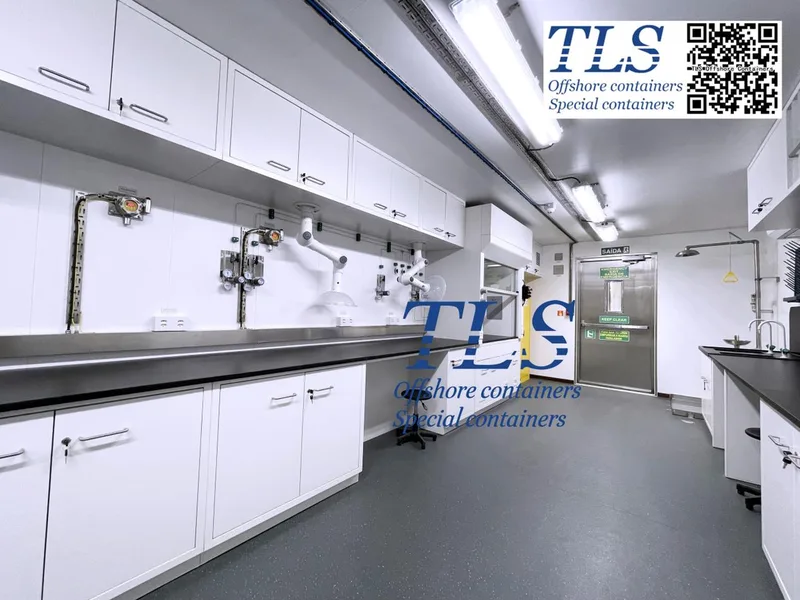
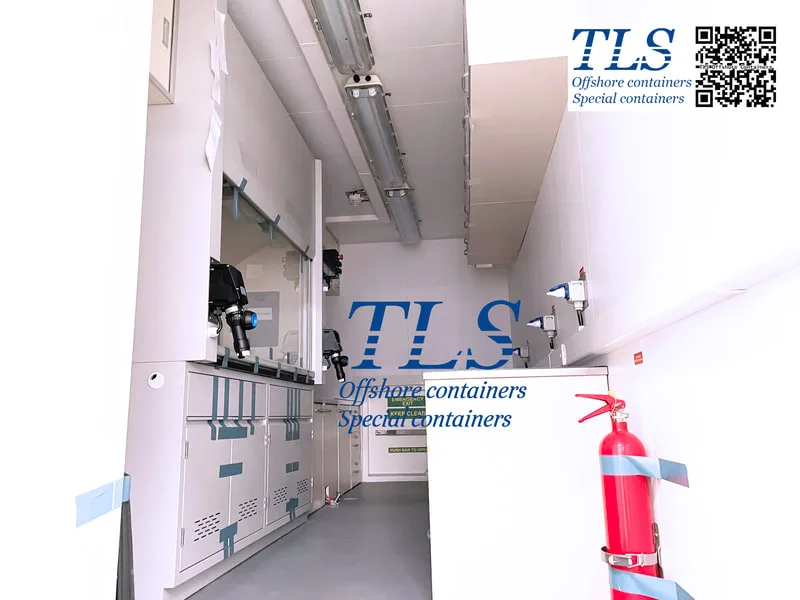
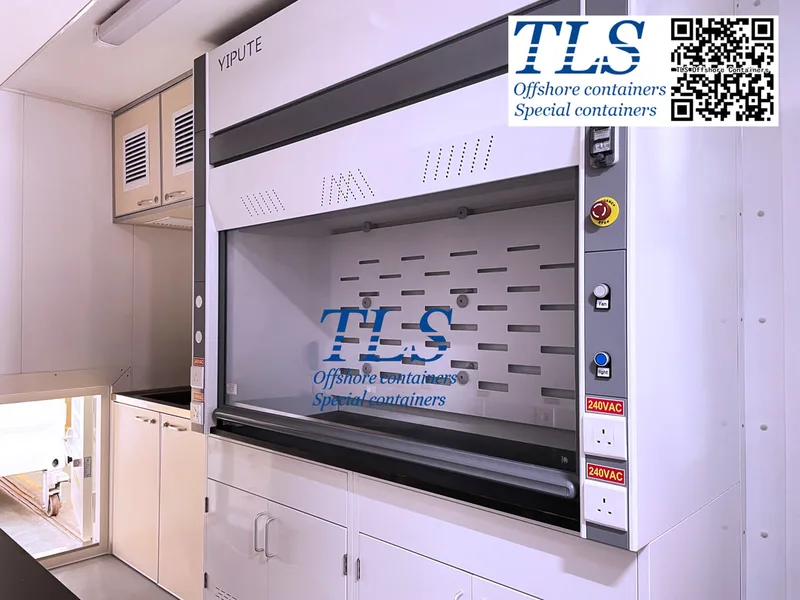
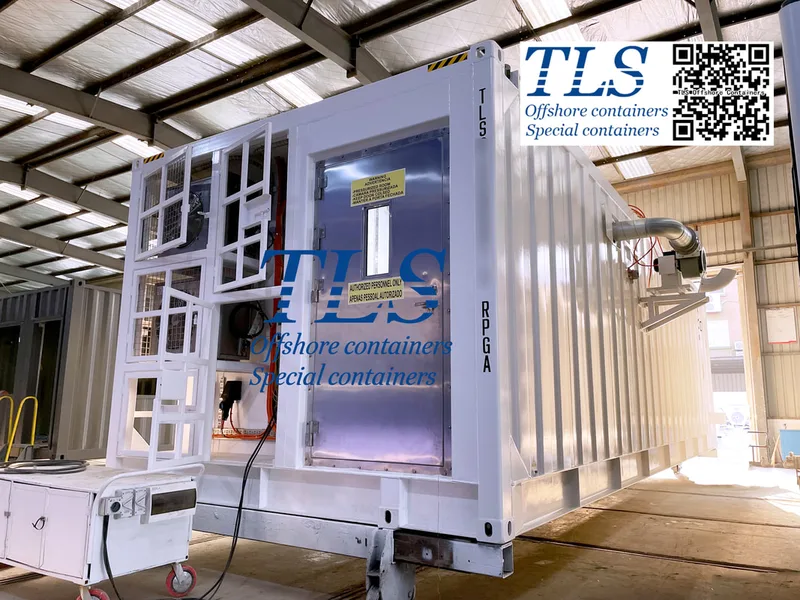
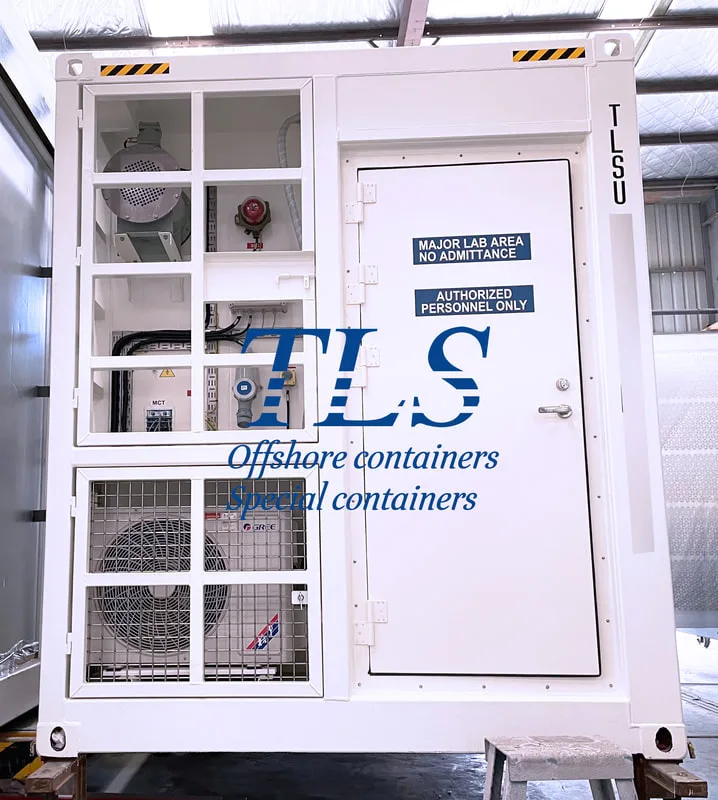
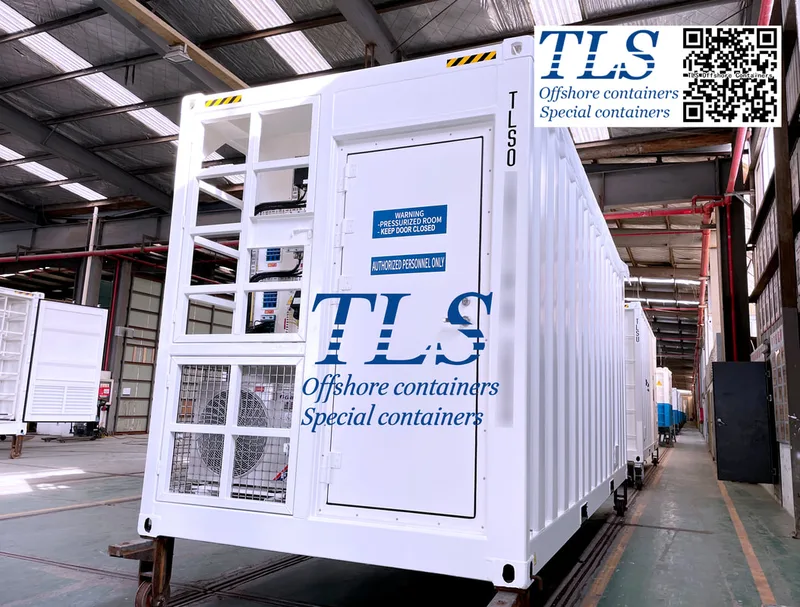
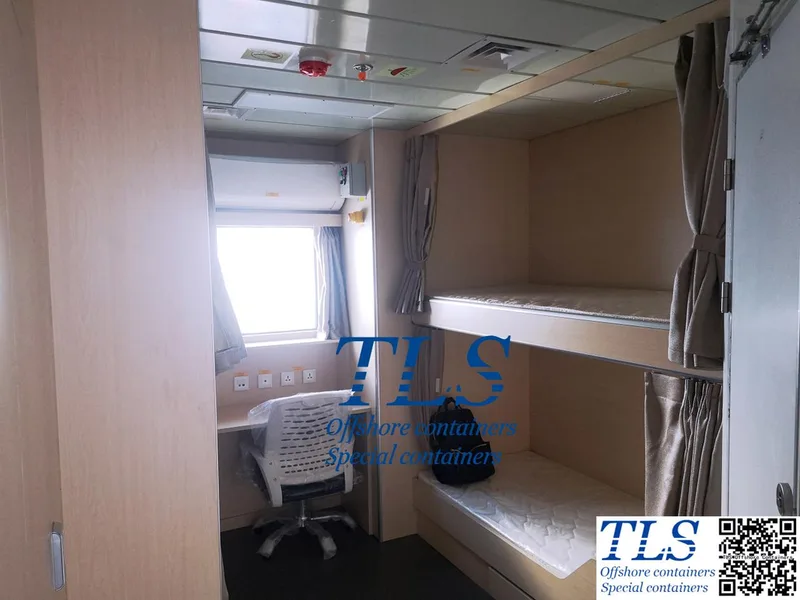
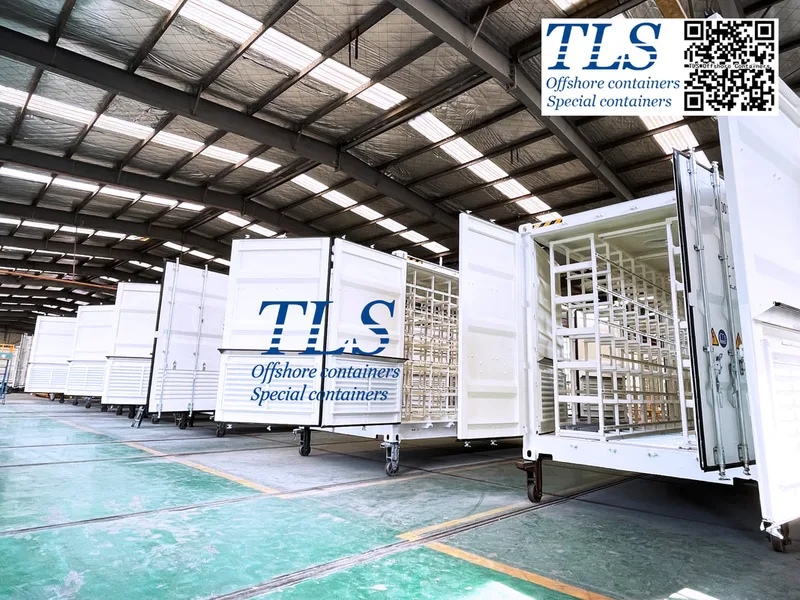
With development, more and more offices, laboratories, equipment storage rooms, and residences have begun to adopt containerized modular solutions. The convenience and mobility of containers, while being environmentally friendly, practicality and cost-effectiveness are one of the reasons why people's demand for this part has surged. If you need to customize a container module suitable for your company or yourself, what aspects of your requirements do you need to clarify first?
Functional Requirements:
Determine the features you need for your office container | lab container |MCC shelter |reefer container. For example, what you need is an office space, conference room, kitchen, laboratory or other. Corresponding functional and space requirements can be listed.
Dimensions and layout:
Determine the size and layout of the office container, according to your budget and the constraints of the use of the site. Consider your team size and workflow to determine the appropriate container size and interior layout.
Equipment and facilities:
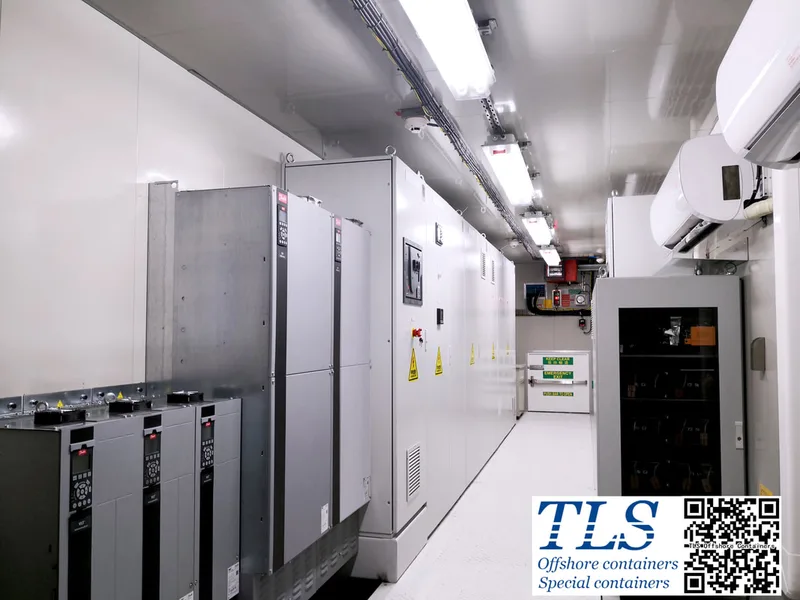
Determine the equipment and facilities you wish to house in your office container. This may include electricity supply, lighting systems, air conditioning, heating, internet connection, etc. Provide an approximate equipment list and specification requirements.
Environmental requirements:
Consider the climatic conditions and environmental requirements in your area. If you will be using office containers in harsh environmental conditions, such as hot, cold or humid areas, you will need to specify appropriate insulation, thermal and moisture protection measures.
Certification standards:
According to your use needs and special requirements, specify the certification standards that need to be met, such as DNV 2.7-1, EN 12079, IEC 60079-13, etc. Make sure the container manufacturer understands your certification needs.
Budget and delivery time:
Know your budget constraints and required delivery time. In this way, container manufacturers can provide corresponding design and construction solutions according to your requirements.
TLS can be customized according to your requirements. The equipment in the container can be supplied by customers or purchased by us according to your needs. Everything is just to provide you with a perfect container module solution. For any requirements, please feel free to contact us.
Functional Requirements:
Determine the features you need for your office container | lab container |MCC shelter |reefer container. For example, what you need is an office space, conference room, kitchen, laboratory or other. Corresponding functional and space requirements can be listed.
Dimensions and layout:
Determine the size and layout of the office container, according to your budget and the constraints of the use of the site. Consider your team size and workflow to determine the appropriate container size and interior layout.
Equipment and facilities:
Determine the equipment and facilities you wish to house in your office container. This may include electricity supply, lighting systems, air conditioning, heating, internet connection, etc. Provide an approximate equipment list and specification requirements.
Environmental requirements:
Consider the climatic conditions and environmental requirements in your area. If you will be using office containers in harsh environmental conditions, such as hot, cold or humid areas, you will need to specify appropriate insulation, thermal and moisture protection measures.
Certification standards:
According to your use needs and special requirements, specify the certification standards that need to be met, such as DNV 2.7-1, EN 12079, IEC 60079-13, etc. Make sure the container manufacturer understands your certification needs.
Budget and delivery time:
Know your budget constraints and required delivery time. In this way, container manufacturers can provide corresponding design and construction solutions according to your requirements.
TLS can be customized according to your requirements. The equipment in the container can be supplied by customers or purchased by us according to your needs. Everything is just to provide you with a perfect container module solution. For any requirements, please feel free to contact us.
- Published on
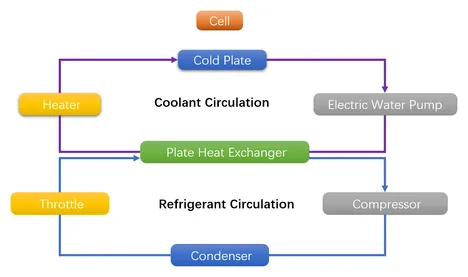
The containerized liquid cooling energy storage system combines containerized energy storage with liquid cooling technology, achieving the perfect integration of efficient storage and cooling.
- Paragraph 1: Advantages of Containerized Energy Storage
- Paragraph 2: Advantages and Working Principle of Liquid Cooling System
- Paragraph 3: Application Prospects
- Published on
The Battery Energy Storage System (BESS) container market is currently experiencing a significant surge, with a future that holds immense potential. This comprehensive article will delve deeper into the market forecast, providing detailed insights and quantitative data, with a special focus on TLS Offshore Containers International, a leading manufacturer in the industry.
**Current Market Landscape**
The global shift towards renewable energy sources and the need for efficient, flexible energy storage solutions have fueled the demand for BESS containers. These containers, which offer a means for storing and distributing energy, are being increasingly utilized across various sectors, from residential to commercial and industrial applications.
In 2022, the global BESS market was valued at approximately $3 billion, with a compound annual growth rate (CAGR) of 15% predicted for the next decade. This growth is largely attributed to the increasing adoption of renewable energy sources and the need for efficient energy storage and distribution solutions.
**TLS Offshore Containers International: A Major Player**
Among the manufacturers in the BESS container market, TLS Offshore Containers International stands out as a key player. The company is renowned for providing comprehensive solutions to clients worldwide, catering to their specific needs with high-quality, reliable BESS containers. Their products are not only efficient and flexible but also adhere to the highest safety standards, making them a preferred choice for many.
In 2022, TLS Offshore Containers International reported a significant increase in sales, with a 20% rise compared to the previous year. This growth is a testament to the company's commitment to quality and customer satisfaction.
**Market Predictions**
Looking ahead, the BESS container market is expected to continue its upward trajectory. Market research indicates a robust growth rate in the coming years, driven by the ongoing global energy transition and the increasing adoption of BESS containers in various sectors.
By 2030, the global BESS market is expected to reach a value of approximately $12 billion, representing a fourfold increase from its value in 2022. This growth is expected to be driven by several factors, including the increasing adoption of renewable energy, advancements in battery technology, and government policies supporting energy storage.
**The Role of TLS Offshore Containers International**
As the market expands, TLS Offshore Containers International is well-positioned to seize the opportunities that come with this growth. Their commitment to providing comprehensive solutions, coupled with their reputation for quality and reliability, will likely see them continue to play a significant role in the BESS container market.
In line with the projected market growth, TLS Offshore Containers International is expected to see a substantial increase in sales over the next decade. The company's strategic focus on innovation and customer satisfaction, along with its robust product portfolio, positions it well to capitalize on the growing demand for BESS containers.
In conclusion, the future of the BESS container market appears bright, with substantial growth anticipated in the coming years. Companies like TLS Offshore Containers International, with their comprehensive solutions and commitment to quality, are set to play a crucial role in this exciting market evolution. As we move towards a more sustainable future, the importance of efficient, reliable energy storage solutions like BESS containers cannot be overstated.
**Current Market Landscape**
The global shift towards renewable energy sources and the need for efficient, flexible energy storage solutions have fueled the demand for BESS containers. These containers, which offer a means for storing and distributing energy, are being increasingly utilized across various sectors, from residential to commercial and industrial applications.
In 2022, the global BESS market was valued at approximately $3 billion, with a compound annual growth rate (CAGR) of 15% predicted for the next decade. This growth is largely attributed to the increasing adoption of renewable energy sources and the need for efficient energy storage and distribution solutions.
**TLS Offshore Containers International: A Major Player**
Among the manufacturers in the BESS container market, TLS Offshore Containers International stands out as a key player. The company is renowned for providing comprehensive solutions to clients worldwide, catering to their specific needs with high-quality, reliable BESS containers. Their products are not only efficient and flexible but also adhere to the highest safety standards, making them a preferred choice for many.
In 2022, TLS Offshore Containers International reported a significant increase in sales, with a 20% rise compared to the previous year. This growth is a testament to the company's commitment to quality and customer satisfaction.
**Market Predictions**
Looking ahead, the BESS container market is expected to continue its upward trajectory. Market research indicates a robust growth rate in the coming years, driven by the ongoing global energy transition and the increasing adoption of BESS containers in various sectors.
By 2030, the global BESS market is expected to reach a value of approximately $12 billion, representing a fourfold increase from its value in 2022. This growth is expected to be driven by several factors, including the increasing adoption of renewable energy, advancements in battery technology, and government policies supporting energy storage.
**The Role of TLS Offshore Containers International**
As the market expands, TLS Offshore Containers International is well-positioned to seize the opportunities that come with this growth. Their commitment to providing comprehensive solutions, coupled with their reputation for quality and reliability, will likely see them continue to play a significant role in the BESS container market.
In line with the projected market growth, TLS Offshore Containers International is expected to see a substantial increase in sales over the next decade. The company's strategic focus on innovation and customer satisfaction, along with its robust product portfolio, positions it well to capitalize on the growing demand for BESS containers.
In conclusion, the future of the BESS container market appears bright, with substantial growth anticipated in the coming years. Companies like TLS Offshore Containers International, with their comprehensive solutions and commitment to quality, are set to play a crucial role in this exciting market evolution. As we move towards a more sustainable future, the importance of efficient, reliable energy storage solutions like BESS containers cannot be overstated.
- Published on
Introduction
As the demand for renewable energy sources grows, energy storage systems (ESS) have become increasingly vital for stabilizing the grid and optimizing power usage. However, with the rising popularity of ESS, ensuring their safety has become a paramount concern. One critical aspect of ESS safety is temperature control. Effective thermal management, facilitated by temperature control measures, plays a pivotal role in maintaining the integrity and longevity of these systems. In this article, we will explore how temperature control acts as a thermal management executor to ensure the safety of energy storage systems.
Conclusion
Temperature control is a fundamental aspect of thermal management in energy storage systems. By maintaining optimal operating temperatures, energy storage systems can operate safely, efficiently, and reliably. Proper temperature control techniques, supported by advanced monitoring and control systems, mitigate the risk of thermal runaway and ensure the longevity of the system. As the demand for energy storage systems continues to rise, investing in robust temperature control mechanisms becomes an indispensable requirement for a sustainable and safe energy infrastructure.
TLS Offshore Containers / TLS Special Containers is a global supplier of standard and customised containerised solutions.
Wherever you are in the world TLS can help you, please contact us.
Regarding the Battery Energy Storage System (BESS) container, please download Energy Storage System (ESS) Containers brochure for reference.
#Temperature control #Thermal management #Energy storage systems #Safety #Temperature fluctuations #Chemical reactions #Optimal temperature range #Thermal runaway #Battery technologies #Performance
As the demand for renewable energy sources grows, energy storage systems (ESS) have become increasingly vital for stabilizing the grid and optimizing power usage. However, with the rising popularity of ESS, ensuring their safety has become a paramount concern. One critical aspect of ESS safety is temperature control. Effective thermal management, facilitated by temperature control measures, plays a pivotal role in maintaining the integrity and longevity of these systems. In this article, we will explore how temperature control acts as a thermal management executor to ensure the safety of energy storage systems.
- The Importance of Temperature Control in Energy Storage Systems
- Preventing Thermal Runaway: A Safety Imperative
- Optimal Operating Temperature Range
- Cooling and Heating Techniques
- Temperature Monitoring and Control Systems
- Safety Mechanisms and Emergency Response
- Predictive Maintenance and Condition Monitoring
Conclusion
Temperature control is a fundamental aspect of thermal management in energy storage systems. By maintaining optimal operating temperatures, energy storage systems can operate safely, efficiently, and reliably. Proper temperature control techniques, supported by advanced monitoring and control systems, mitigate the risk of thermal runaway and ensure the longevity of the system. As the demand for energy storage systems continues to rise, investing in robust temperature control mechanisms becomes an indispensable requirement for a sustainable and safe energy infrastructure.
TLS Offshore Containers / TLS Special Containers is a global supplier of standard and customised containerised solutions.
Wherever you are in the world TLS can help you, please contact us.
Regarding the Battery Energy Storage System (BESS) container, please download Energy Storage System (ESS) Containers brochure for reference.
#Temperature control #Thermal management #Energy storage systems #Safety #Temperature fluctuations #Chemical reactions #Optimal temperature range #Thermal runaway #Battery technologies #Performance
Written by Oliver
- Published on
Introduction:
Temperature control plays a crucial role in optimizing the performance, efficiency, and lifespan of energy storage systems (ESS). Whether you are considering lithium-ion batteries, flow batteries, or any other type of energy storage technology, selecting the right temperature control solution is vital. In this article, we will delve into the key factors to consider when choosing temperature control technology for your ESS. By understanding these factors, you can make an informed decision and maximize the benefits of your energy storage investment.
Active cooling involves the use of cooling systems, such as air or liquid-based cooling, to dissipate excess heat generated during charging or discharging. Active heating, on the other hand, helps maintain the desired temperature range during colder conditions. Consider the climate conditions of your installation site and choose a temperature control solution that provides efficient cooling and heating capabilities to maintain optimal operating conditions.
Conclusion:
Choosing the right temperature control technology for your energy storage system is crucial for achieving optimal performance, efficiency, and longevity. By considering factors such as temperature range requirements, cooling and heating solutions, energy efficiency, scalability, flexibility, and safety features, you can make an informed decision. Remember that each energy storage technology may have unique temperature control requirements, so it's essential to align the temperature control solution with your specific energy storage system. With the right temperature control technology in place, you can ensure the smooth and efficient operation of your energy storage system for years to come.
TLS Offshore Containers / TLS Special Containers is a global supplier of standard and customised containerised solutions.
Wherever you are in the world TLS can help you, please contact us.
Regarding the Battery Energy Storage System (BESS) container, please download Energy Storage System (ESS) Containers brochure for reference.
#Temperature control technology #Energy storage system #Temperature range requirements #Cooling and heating solutions #Active cooling #Active heating #Energy efficiency #Scalability #Flexibility #Safety features
Temperature control plays a crucial role in optimizing the performance, efficiency, and lifespan of energy storage systems (ESS). Whether you are considering lithium-ion batteries, flow batteries, or any other type of energy storage technology, selecting the right temperature control solution is vital. In this article, we will delve into the key factors to consider when choosing temperature control technology for your ESS. By understanding these factors, you can make an informed decision and maximize the benefits of your energy storage investment.
- Understand the Temperature Range Requirements:
- Evaluate Cooling and Heating Solutions:
Active cooling involves the use of cooling systems, such as air or liquid-based cooling, to dissipate excess heat generated during charging or discharging. Active heating, on the other hand, helps maintain the desired temperature range during colder conditions. Consider the climate conditions of your installation site and choose a temperature control solution that provides efficient cooling and heating capabilities to maintain optimal operating conditions.
- Assess Energy Efficiency:
- Consider Scalability and Flexibility:
- Evaluate Safety Features:
Conclusion:
Choosing the right temperature control technology for your energy storage system is crucial for achieving optimal performance, efficiency, and longevity. By considering factors such as temperature range requirements, cooling and heating solutions, energy efficiency, scalability, flexibility, and safety features, you can make an informed decision. Remember that each energy storage technology may have unique temperature control requirements, so it's essential to align the temperature control solution with your specific energy storage system. With the right temperature control technology in place, you can ensure the smooth and efficient operation of your energy storage system for years to come.
TLS Offshore Containers / TLS Special Containers is a global supplier of standard and customised containerised solutions.
Wherever you are in the world TLS can help you, please contact us.
Regarding the Battery Energy Storage System (BESS) container, please download Energy Storage System (ESS) Containers brochure for reference.
#Temperature control technology #Energy storage system #Temperature range requirements #Cooling and heating solutions #Active cooling #Active heating #Energy efficiency #Scalability #Flexibility #Safety features