- Published on
Introduction:
When it comes to offshore or depth drilling, ensuring safety and efficiency is crucial. Technological advancements have revolutionized the oil and gas industry, providing secure accommodations for drill operators and enabling more efficient directional drilling techniques. In this article, we will explore MWD and LWD processes, their distinctions, and the significance of zoned accommodation cabins in optimizing drilling operations. Learn how to effectively source these cabins for a successful drilling venture.
What is MWD (Measurement While Drilling)?
MWD, or measurement while drilling, is a well logging technique designed to overcome challenges when drilling at extreme angles. It involves incorporating measurement tools into the drill string to provide real-time information for optimized drill steering. MWD measures physical properties such as temperature, pressure, and wellbore trajectory. It accurately determines borehole inclination and azimuth, transmitting the data to the surface for immediate operator monitoring.
What is LWD (Logging While Drilling)?
LWD, or logging while drilling, is a methodology that records, stores, and transmits information during drilling operations. It acquires valuable formation evaluation data, including pore pressure estimates and mud weight, enabling operators to gain deeper insights into the reservoir's nature and make informed drilling decisions. LWD encompasses various techniques like electromagnetic drilling, nuclear logging, acoustic logging, and nuclear magnetic resonance logging. It facilitates geosteering, geomechanical analysis, petrophysical analysis, reservoir fluid analysis, and reservoir mapping.
Differences Between MWD and LWD:
While MWD falls under the umbrella of LWD, there are notable differences between these techniques.
Conclusion:
In summary, MWD and LWD are crucial processes for optimizing offshore drilling operations. MWD offers real-time data transmission, primarily focusing on directional information, while LWD provides more comprehensive formation evaluation data. By understanding the differences between these techniques, companies can enhance drilling efficiency and safety. Additionally, sourcing zoned accommodation cabins plays a vital role in ensuring a successful drilling venture. Consider these factors to streamline your drilling operations and drive overall success.
Please download our product brochure for your reference:
Offshore pressurised mud logging cabin brochure
MCC | Switchgear | VFD | VSD pressurised shelter
Don’t hesitate to contact us for more information about the offshore pressurised container.
#Offshore drilling #Depth drilling #Drill operators #LWD (Logging While Drilling) #MWD (Measurement While Drilling) #Drilling operations
When it comes to offshore or depth drilling, ensuring safety and efficiency is crucial. Technological advancements have revolutionized the oil and gas industry, providing secure accommodations for drill operators and enabling more efficient directional drilling techniques. In this article, we will explore MWD and LWD processes, their distinctions, and the significance of zoned accommodation cabins in optimizing drilling operations. Learn how to effectively source these cabins for a successful drilling venture.
What is MWD (Measurement While Drilling)?
MWD, or measurement while drilling, is a well logging technique designed to overcome challenges when drilling at extreme angles. It involves incorporating measurement tools into the drill string to provide real-time information for optimized drill steering. MWD measures physical properties such as temperature, pressure, and wellbore trajectory. It accurately determines borehole inclination and azimuth, transmitting the data to the surface for immediate operator monitoring.
What is LWD (Logging While Drilling)?
LWD, or logging while drilling, is a methodology that records, stores, and transmits information during drilling operations. It acquires valuable formation evaluation data, including pore pressure estimates and mud weight, enabling operators to gain deeper insights into the reservoir's nature and make informed drilling decisions. LWD encompasses various techniques like electromagnetic drilling, nuclear logging, acoustic logging, and nuclear magnetic resonance logging. It facilitates geosteering, geomechanical analysis, petrophysical analysis, reservoir fluid analysis, and reservoir mapping.
Differences Between MWD and LWD:
While MWD falls under the umbrella of LWD, there are notable differences between these techniques.
- Speed of Transmission: MWD provides real-time data, allowing drill operators to continuously monitor operations and make prompt adjustments. In contrast, LWD involves storing data in solid-state memory and transmitting it to the surface for analysis. This results in a slight delay as analysts retrieve and decode the recorded data.
- Level of Detail: MWD primarily focuses on directional information such as well inclination and azimuth. On the other hand, LWD provides more detailed data about the target formation, including gamma ray levels, resistivity, porosity, slowness, internal and annular pressure, and vibration levels. Some LWD tools even collect fluid samples for accurate reservoir analysis.
Conclusion:
In summary, MWD and LWD are crucial processes for optimizing offshore drilling operations. MWD offers real-time data transmission, primarily focusing on directional information, while LWD provides more comprehensive formation evaluation data. By understanding the differences between these techniques, companies can enhance drilling efficiency and safety. Additionally, sourcing zoned accommodation cabins plays a vital role in ensuring a successful drilling venture. Consider these factors to streamline your drilling operations and drive overall success.
Please download our product brochure for your reference:
Offshore pressurised mud logging cabin brochure
MCC | Switchgear | VFD | VSD pressurised shelter
Don’t hesitate to contact us for more information about the offshore pressurised container.
#Offshore drilling #Depth drilling #Drill operators #LWD (Logging While Drilling) #MWD (Measurement While Drilling) #Drilling operations
Written by Oliver
- Published on
As industries and businesses continue to expand, the need for safe and reliable shipping of goods and equipment becomes increasingly important. One way to ensure this safety is through the use of containers. Specifically, containers with an A60 fire rating are becoming more and more popular.
What is an A60 fire rating?
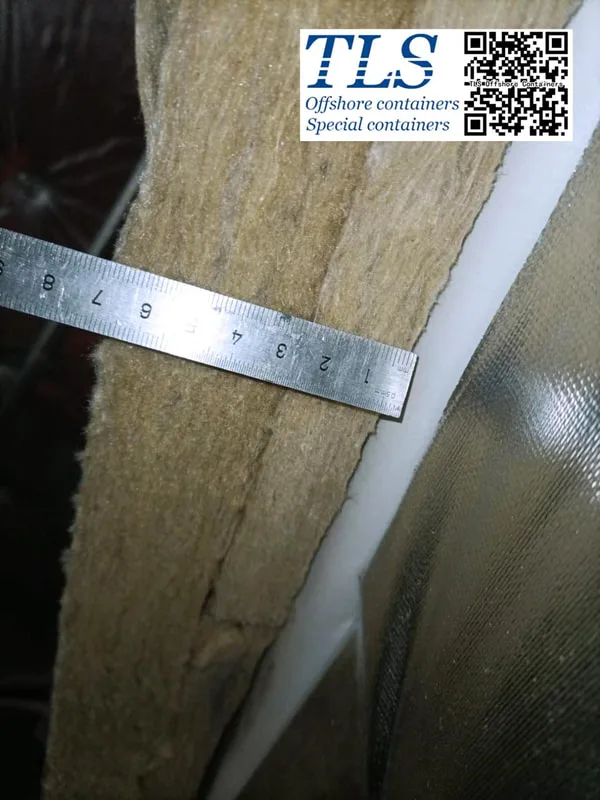
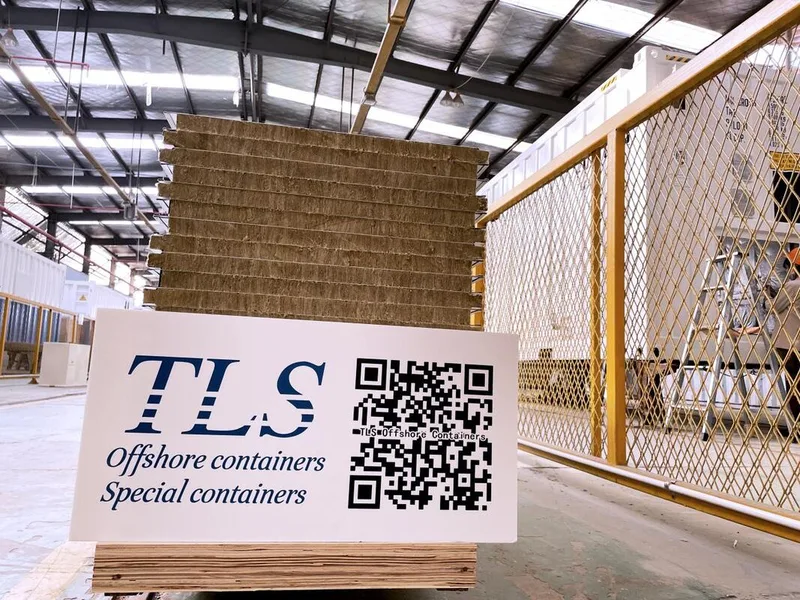
An A60 fire rating is a classification that signifies the ability of a container to withstand fire. The rating means that the container can withstand temperatures of up to 1,000 degrees Celsius for up to 60 minutes. This rating is particularly important for offshore and marine applications, where the risk of fire is high due to the presence of flammable materials and gases.
Why choose a container with an A60 fire rating?
Containers with an A60 fire rating offer several advantages, including:
Where are A60 containers commonly used?
A60 containers are commonly used in offshore and marine applications, such as oil and gas platforms and drilling rigs. They are also used for military and industrial applications that require high levels of fire protection.
In addition to their fire-resistant properties, A60 containers can also be customized to meet specific industry requirements. For example, containers can be outfitted with HVAC systems, lighting, and electrical systems to meet the needs of different industries.
Conclusion
Choosing a container with an A60 fire rating is a wise choice for businesses and industries that require reliable and safe shipping of goods and equipment. These containers offer a high level of protection against fire, and can help prevent damage to equipment and loss of goods. They also help protect workers and the environment, and ensure compliance with industry standards. Whether used for offshore and marine applications or for military and industrial uses, A60 containers are a durable and reliable option for transporting goods and equipment.
TLS Offshore Containers / TLS Special Containers is a global supplier of standard and customised containerised solutions.
Wherever you are in the world TLS can help you, please contact us.
#A60 fire rating, #containers, #offshore, #marine, #fire protection, #safety, #compliance, #durability
What is an A60 fire rating?
An A60 fire rating is a classification that signifies the ability of a container to withstand fire. The rating means that the container can withstand temperatures of up to 1,000 degrees Celsius for up to 60 minutes. This rating is particularly important for offshore and marine applications, where the risk of fire is high due to the presence of flammable materials and gases.
Why choose a container with an A60 fire rating?
Containers with an A60 fire rating offer several advantages, including:
- Protection: A container with an A60 fire rating provides a high level of protection against fire, which can help prevent damage to equipment and loss of goods.
- Safety: Containers with an A60 fire rating help protect workers and the environment in case of a fire. They can also help prevent fires from spreading to nearby equipment or structures.
- Compliance: Many regulations and industry standards require the use of containers with an A60 fire rating for offshore and marine applications. Choosing a container with this rating can help ensure compliance with these standards.
- Durability: Containers with an A60 fire rating are built to withstand extreme conditions, making them durable and reliable for long-term use.
Where are A60 containers commonly used?
A60 containers are commonly used in offshore and marine applications, such as oil and gas platforms and drilling rigs. They are also used for military and industrial applications that require high levels of fire protection.
In addition to their fire-resistant properties, A60 containers can also be customized to meet specific industry requirements. For example, containers can be outfitted with HVAC systems, lighting, and electrical systems to meet the needs of different industries.
Conclusion
Choosing a container with an A60 fire rating is a wise choice for businesses and industries that require reliable and safe shipping of goods and equipment. These containers offer a high level of protection against fire, and can help prevent damage to equipment and loss of goods. They also help protect workers and the environment, and ensure compliance with industry standards. Whether used for offshore and marine applications or for military and industrial uses, A60 containers are a durable and reliable option for transporting goods and equipment.
TLS Offshore Containers / TLS Special Containers is a global supplier of standard and customised containerised solutions.
Wherever you are in the world TLS can help you, please contact us.
#A60 fire rating, #containers, #offshore, #marine, #fire protection, #safety, #compliance, #durability
Written by Oliver
- Published on
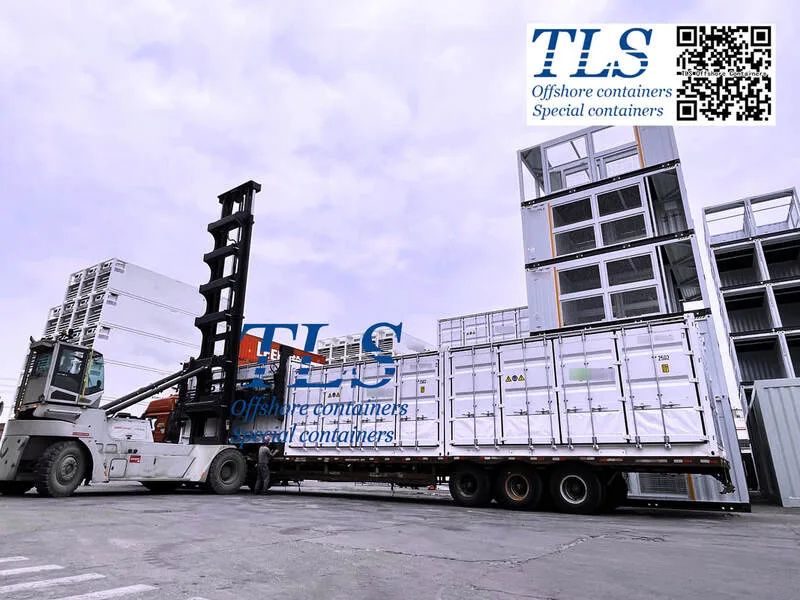
As the world continues to search for sustainable ways to meet its energy needs, one technology that is gaining popularity is energy storage containers. These containers, also known as energy storage systems, have the potential to play a key role in the transition to clean energy by helping to stabilize the grid and integrate renewable energy sources.
At its core, an energy storage container is a self-contained unit that stores electrical energy in batteries or other energy storage devices. These containers can be designed to store energy from a variety of sources, including solar panels, wind turbines, and the grid. The energy stored in these containers can then be used during times of high demand or when renewable energy sources are not available.
One of the primary benefits of energy storage containers is their ability to stabilize the grid. By providing energy during times of high demand or when renewable energy sources are not available, these containers can help prevent blackouts and brownouts and ensure that the grid remains stable and reliable. This is critical as more and more renewable energy sources are integrated into the grid, which can create fluctuations in energy supply and demand.
Another benefit of energy storage containers is their ability to integrate renewable energy sources into the grid. By storing excess energy from solar panels or wind turbines, energy storage containers can ensure that energy is available even when the sun is not shining or the wind is not blowing. This helps to make renewable energy sources more reliable and reduces our dependence on fossil fuels.
In addition to their benefits for the grid and renewable energy integration, energy storage containers also offer cost savings. By storing energy during times of low demand when energy prices are low and then using that energy during times of high demand when energy prices are high, these containers can help reduce energy costs for individuals and communities.
As the world looks for sustainable energy solutions, energy storage containers are poised to play a critical role in the transition to clean energy. They offer a way to stabilize the grid, integrate renewable energy sources, and reduce energy costs. Moreover, they also offer an opportunity for innovation and entrepreneurship, as entrepreneurs develop new and innovative energy storage technologies to meet the growing demand for sustainable energy solutions.
In conclusion, energy storage containers are an important technology that can help us achieve a more sustainable and clean energy future. As we continue to explore new and innovative ways to meet our energy needs, energy storage containers are poised to play a key role in the energy transition.
TLS Offshore Containers / TLS Special Containers is a global supplier of standard and customised containerised solutions.
Wherever you are in the world TLS can help you, please contact us.
Regarding the Battery Energy Storage System (BESS) container, please download Energy Storage System (ESS) Containers brochure for reference.
#Energy storage containers #Renewable energy integration #Grid stabilization #Clean energy #Sustainable energy
At its core, an energy storage container is a self-contained unit that stores electrical energy in batteries or other energy storage devices. These containers can be designed to store energy from a variety of sources, including solar panels, wind turbines, and the grid. The energy stored in these containers can then be used during times of high demand or when renewable energy sources are not available.
One of the primary benefits of energy storage containers is their ability to stabilize the grid. By providing energy during times of high demand or when renewable energy sources are not available, these containers can help prevent blackouts and brownouts and ensure that the grid remains stable and reliable. This is critical as more and more renewable energy sources are integrated into the grid, which can create fluctuations in energy supply and demand.
Another benefit of energy storage containers is their ability to integrate renewable energy sources into the grid. By storing excess energy from solar panels or wind turbines, energy storage containers can ensure that energy is available even when the sun is not shining or the wind is not blowing. This helps to make renewable energy sources more reliable and reduces our dependence on fossil fuels.
In addition to their benefits for the grid and renewable energy integration, energy storage containers also offer cost savings. By storing energy during times of low demand when energy prices are low and then using that energy during times of high demand when energy prices are high, these containers can help reduce energy costs for individuals and communities.
As the world looks for sustainable energy solutions, energy storage containers are poised to play a critical role in the transition to clean energy. They offer a way to stabilize the grid, integrate renewable energy sources, and reduce energy costs. Moreover, they also offer an opportunity for innovation and entrepreneurship, as entrepreneurs develop new and innovative energy storage technologies to meet the growing demand for sustainable energy solutions.
In conclusion, energy storage containers are an important technology that can help us achieve a more sustainable and clean energy future. As we continue to explore new and innovative ways to meet our energy needs, energy storage containers are poised to play a key role in the energy transition.
TLS Offshore Containers / TLS Special Containers is a global supplier of standard and customised containerised solutions.
Wherever you are in the world TLS can help you, please contact us.
Regarding the Battery Energy Storage System (BESS) container, please download Energy Storage System (ESS) Containers brochure for reference.
#Energy storage containers #Renewable energy integration #Grid stabilization #Clean energy #Sustainable energy
Written by Oliver
- Published on
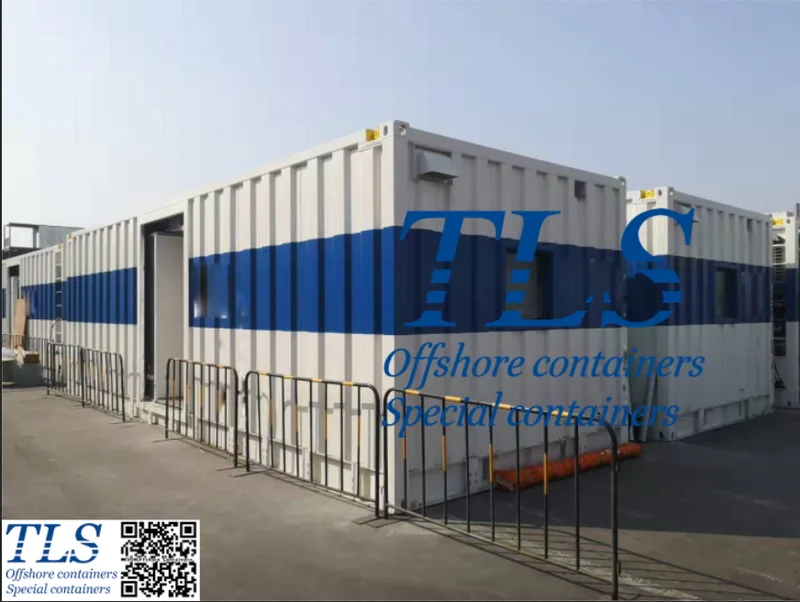
Obtaining the American Bureau of Shipping (ABS) certification is an significant requirement when using portable accommodation modules to vessels. Working offshore involves a range of certifications, both personal and equipment-related, to ensure safety and suitability for the harsh marine environment. Despite the familiarity of the ABS certification name, many people may not know the exact criteria that a portable accommodation module must meet to receive it.
As a leading manufacturer of offshore portable accommodations, offices, and workshop modules, TLS has experience constructing modules that meet certifications for regulatory agencies worldwide. In this article, we will explain the process of obtaining ABS certification for a portable accommodation module.
To obtain ABS certification, manufacturers must follow guidelines provided by the ABS for designing and manufacturing equipment that meets their certification requirements. These guidelines are updated periodically to keep up with industry developments and improve clarity.
The certification process for a portable accommodation module involves four steps: Design Review of Module, Survey During Fabrication, Review for Installation Approval, and Survey Onboard Host Vessel. These steps cover the module's life cycle, from initial design and engineering to final installation and approval on a vessel or installation.
ABS Certification Step 1 – Design Review of Module
Within the design review of the module section of the guide, the ABS categorizes the requirements for portable accommodation modules into twelve areas:
After the engineering team has completed detailed plans, drawings, and data that meet the ABS requirements, the manufacturer submits them to the ABS technical office for review. Once the review is finished, the drawings are returned to the manufacturer and then sent to the ABS surveyor for further inspection. If the product design meets the requirements, the manufacturer will receive a Product Design Assessment (PDA) certificate, and the product status will be updated to "Design Assessed." With this certification in hand, the manufacturer can proceed to the next step of the process.
ABS Certification Step 2 – Survey During Fabrication
The manufacturer begins fabrication of the module following the drawings and designs approved by the ABS technical office. Within the drawings that the technical office sent over to the surveyor are:
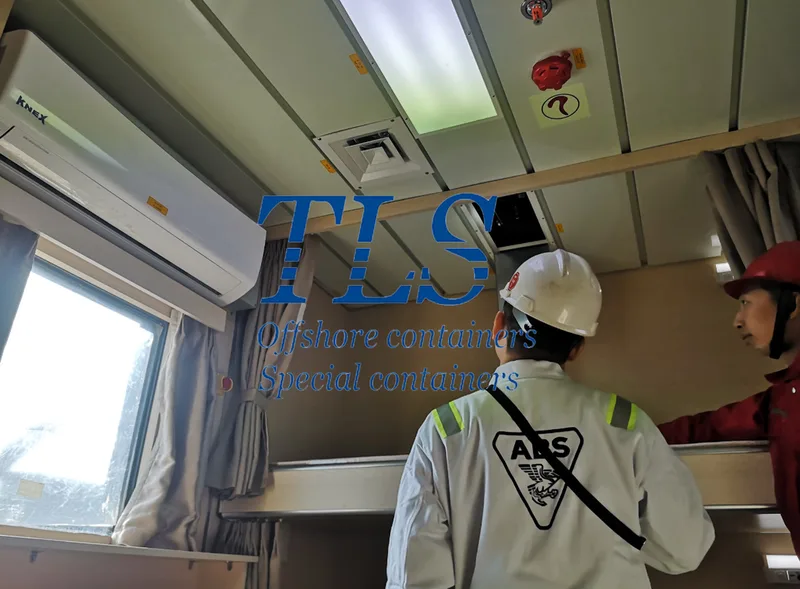
During the fabrication process, the ABS surveyor conducts periodic inspections of the portable accommodation module, verifying its compliance with the design plans and data package. The surveyor conducts various inspections such as visual inspections, insulation, and non-destructive testing (NDT), as well as tests of systems such as general alarms and fire detection. Upon completion of fabrication, the module is marked for identification purposes, including details like the manufacturer's name and address, the manufacturer's serial number, the number of persons to be accommodated, and the ABS approval letter. This marking enables ABS surveyors to locate all the necessary information on a module to ensure it meets the requirements of the vessel or installation it is being installed on.
Subsequently, the manufacturer requests a manufacturer assessment (MA) to confirm that the ABS surveyor has verified compliance with the PDA and to audit the quality control system and manufacturing process. Upon successful completion of the audit, the module is issued an MA certificate, and its product status is updated to "Type Approved."
ABS Certification Step 3 – Design Review for Installation Approval
Once the product status of the module has been changed to "Type Approved," it is ready to be deployed for use on a vessel or installation. However, there are specific technical requirements that must be met when installing a portable accommodation module onto a host vessel.
This information is packaged together and sent to the ABS technical office, where ABS engineers will determine if the proposed location on the vessel is suitable for the module. When the package is approved, stamped drawings are returned to the submitter and to the ABS survey office.
ABS Certification Step 4 – Host Survey Onboard
The final step in obtaining ABS certification involves the Host Survey Onboard, where an ABS surveyor checks the installation of the module on the vessel to confirm that it follows the approved drawings submitted in the previous steps. Once the surveyor approves the installation, the module is considered "ABS Certified" and ready for use.
Since modules can remain in service on vessels for several years, the ABS mandates annual surveys to ensure that the module remains compliant with the necessary requirements for maintaining its certification.
This explanation provides a brief overview of the process for obtaining ABS certification for offshore modules. For further information on offshore module, please contact us.
More information about accommodation modulars, offshore accommodation cabins, gallery module, mess module, etc. Please download TLS accommodation modular brochure , TLS ABS approved offshore accommodation module brochure for reference.
#Portable accommodation modules #Offshore accommodations #ABS certification #Marine safety #Modular construction
As a leading manufacturer of offshore portable accommodations, offices, and workshop modules, TLS has experience constructing modules that meet certifications for regulatory agencies worldwide. In this article, we will explain the process of obtaining ABS certification for a portable accommodation module.
To obtain ABS certification, manufacturers must follow guidelines provided by the ABS for designing and manufacturing equipment that meets their certification requirements. These guidelines are updated periodically to keep up with industry developments and improve clarity.
The certification process for a portable accommodation module involves four steps: Design Review of Module, Survey During Fabrication, Review for Installation Approval, and Survey Onboard Host Vessel. These steps cover the module's life cycle, from initial design and engineering to final installation and approval on a vessel or installation.
ABS Certification Step 1 – Design Review of Module
Within the design review of the module section of the guide, the ABS categorizes the requirements for portable accommodation modules into twelve areas:
- Structural Fire Protection
- Ventilation
- Piping Requirements
- Structural Requirements
- Materials of Construction
- Special Requirements
- Fire Fighting Requirements
- Protection of Steel
- Fire Integrity
- Electrical Requirements
- Machinery Requirements
- ILO Convention.
After the engineering team has completed detailed plans, drawings, and data that meet the ABS requirements, the manufacturer submits them to the ABS technical office for review. Once the review is finished, the drawings are returned to the manufacturer and then sent to the ABS surveyor for further inspection. If the product design meets the requirements, the manufacturer will receive a Product Design Assessment (PDA) certificate, and the product status will be updated to "Design Assessed." With this certification in hand, the manufacturer can proceed to the next step of the process.
ABS Certification Step 2 – Survey During Fabrication
The manufacturer begins fabrication of the module following the drawings and designs approved by the ABS technical office. Within the drawings that the technical office sent over to the surveyor are:
- the approved plans for all aspects of the module
- the required welding procedures with welder qualification tests and material certification/traceability
- a list of the non-destructive testing (NDT) methods that will be used
- necessary qualifications and certificates for items and equipment as required.
During the fabrication process, the ABS surveyor conducts periodic inspections of the portable accommodation module, verifying its compliance with the design plans and data package. The surveyor conducts various inspections such as visual inspections, insulation, and non-destructive testing (NDT), as well as tests of systems such as general alarms and fire detection. Upon completion of fabrication, the module is marked for identification purposes, including details like the manufacturer's name and address, the manufacturer's serial number, the number of persons to be accommodated, and the ABS approval letter. This marking enables ABS surveyors to locate all the necessary information on a module to ensure it meets the requirements of the vessel or installation it is being installed on.
Subsequently, the manufacturer requests a manufacturer assessment (MA) to confirm that the ABS surveyor has verified compliance with the PDA and to audit the quality control system and manufacturing process. Upon successful completion of the audit, the module is issued an MA certificate, and its product status is updated to "Type Approved."
ABS Certification Step 3 – Design Review for Installation Approval
Once the product status of the module has been changed to "Type Approved," it is ready to be deployed for use on a vessel or installation. However, there are specific technical requirements that must be met when installing a portable accommodation module onto a host vessel.
- Submission of Plans
- Stability Requirements
- Structures (Vessels, MODU, etc)
- Securing to the Deck
- Stacking Arrangements
- Electrical Requirements
- Piping Requirements
- Fire Fighting Requirements
- Tonnage
- ILO (International Labor Organization)
- Lifesaving Appliances
- Structural Fire Protection
- Means of Escape and Safe Passage
This information is packaged together and sent to the ABS technical office, where ABS engineers will determine if the proposed location on the vessel is suitable for the module. When the package is approved, stamped drawings are returned to the submitter and to the ABS survey office.
ABS Certification Step 4 – Host Survey Onboard
The final step in obtaining ABS certification involves the Host Survey Onboard, where an ABS surveyor checks the installation of the module on the vessel to confirm that it follows the approved drawings submitted in the previous steps. Once the surveyor approves the installation, the module is considered "ABS Certified" and ready for use.
Since modules can remain in service on vessels for several years, the ABS mandates annual surveys to ensure that the module remains compliant with the necessary requirements for maintaining its certification.
This explanation provides a brief overview of the process for obtaining ABS certification for offshore modules. For further information on offshore module, please contact us.
More information about accommodation modulars, offshore accommodation cabins, gallery module, mess module, etc. Please download TLS accommodation modular brochure , TLS ABS approved offshore accommodation module brochure for reference.
#Portable accommodation modules #Offshore accommodations #ABS certification #Marine safety #Modular construction
Written by Oliver
- Published on
Offshore oil and gas platforms are among the most hazardous work environments in the world, and the equipment used in these environments must meet strict safety standards. One of the key challenges in offshore oil and gas production is ensuring safe containment, transportation and storage in a flammable and explosive environment. This is where positive pressure containers come into play.
Positive pressure containers are designed to maintain a positive pressure inside the container at all times, preventing flammable or explosive gases from entering the container and creating a potentially dangerous environment. These containers are typically made from high-grade materials that are resistant to corrosion, extreme temperatures, and other environmental factors.
TLS Offshore Containers is a leading manufacturer of positive pressure containers for use in offshore oil and gas production. Our containers are designed and manufactured to meet the highest safety standards and are widely used by some of the world's largest oil and gas companies.
So, why do flammable and explosive hazardous areas, especially offshore oil and gas platforms, need positive pressure containers designed and manufactured by TLS Offshore Containers? The answer lies in the unique challenges posed by these environments.
Offshore oil and gas platforms are exposed to a wide range of environmental factors, including saltwater, wind, and extreme temperatures. This can create significant challenges when it comes to storing and transporting hazardous materials. Positive pressure containers are designed to withstand these environmental factors and maintain a safe environment for workers.
In addition to environmental factors, offshore oil and gas platforms are also exposed to a wide range of potential hazards, including fires, explosions, and leaks. Positive pressure containers are designed to minimize these risks by preventing flammable or explosive gases from entering the container and creating a potentially dangerous environment.
TLS Offshore Containers has been designing and manufacturing high-quality containers for use in offshore oil and gas production for many years. Our containers are designed to meet the highest safety standards and are rigorously tested to ensure they can withstand the unique challenges posed by offshore environments.
In conclusion, positive pressure containers designed and manufactured by TLS Offshore Containers are essential for ensuring the safety of workers in flammable and explosive hazardous areas, especially offshore oil and gas platforms. These containers are designed to withstand a wide range of environmental factors and potential hazards, and are crucial for maintaining a safe work environment in one of the world's most dangerous industries. Wherever you are in the world TLS can help you, please contact us.
#Flammable and explosive hazardous areas #Positive pressure containers #Offshore oil and gas platforms #Environmental factors #Corrosion resistance #Extreme temperatures
Positive pressure containers are designed to maintain a positive pressure inside the container at all times, preventing flammable or explosive gases from entering the container and creating a potentially dangerous environment. These containers are typically made from high-grade materials that are resistant to corrosion, extreme temperatures, and other environmental factors.
TLS Offshore Containers is a leading manufacturer of positive pressure containers for use in offshore oil and gas production. Our containers are designed and manufactured to meet the highest safety standards and are widely used by some of the world's largest oil and gas companies.
So, why do flammable and explosive hazardous areas, especially offshore oil and gas platforms, need positive pressure containers designed and manufactured by TLS Offshore Containers? The answer lies in the unique challenges posed by these environments.
Offshore oil and gas platforms are exposed to a wide range of environmental factors, including saltwater, wind, and extreme temperatures. This can create significant challenges when it comes to storing and transporting hazardous materials. Positive pressure containers are designed to withstand these environmental factors and maintain a safe environment for workers.
In addition to environmental factors, offshore oil and gas platforms are also exposed to a wide range of potential hazards, including fires, explosions, and leaks. Positive pressure containers are designed to minimize these risks by preventing flammable or explosive gases from entering the container and creating a potentially dangerous environment.
TLS Offshore Containers has been designing and manufacturing high-quality containers for use in offshore oil and gas production for many years. Our containers are designed to meet the highest safety standards and are rigorously tested to ensure they can withstand the unique challenges posed by offshore environments.
In conclusion, positive pressure containers designed and manufactured by TLS Offshore Containers are essential for ensuring the safety of workers in flammable and explosive hazardous areas, especially offshore oil and gas platforms. These containers are designed to withstand a wide range of environmental factors and potential hazards, and are crucial for maintaining a safe work environment in one of the world's most dangerous industries. Wherever you are in the world TLS can help you, please contact us.
#Flammable and explosive hazardous areas #Positive pressure containers #Offshore oil and gas platforms #Environmental factors #Corrosion resistance #Extreme temperatures
Written by Oliver
- Published on
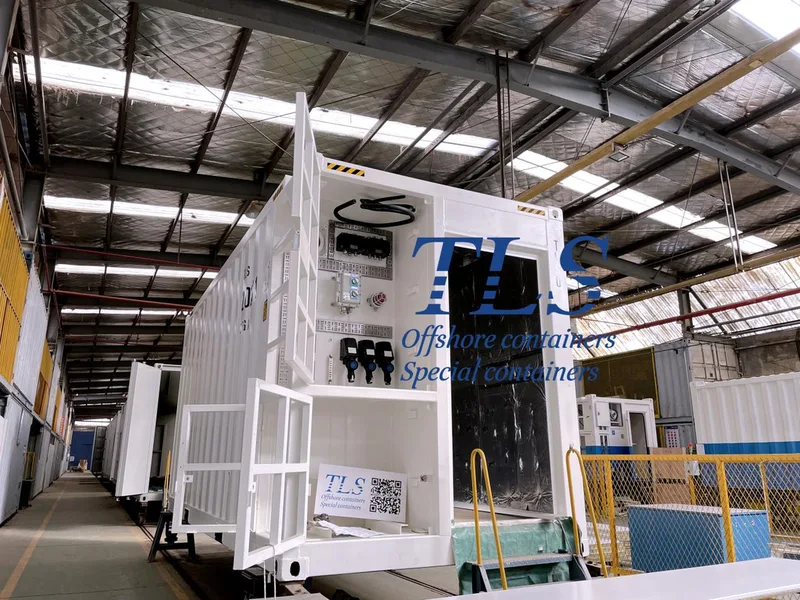
The oil and gas industry is one of the most challenging and demanding industries in the world. Operating in harsh offshore environments, the industry requires equipment and infrastructure that can withstand extreme conditions while ensuring the safety of personnel and the environment. This is where DNV 2.7-1 certified offshore containers come into play.
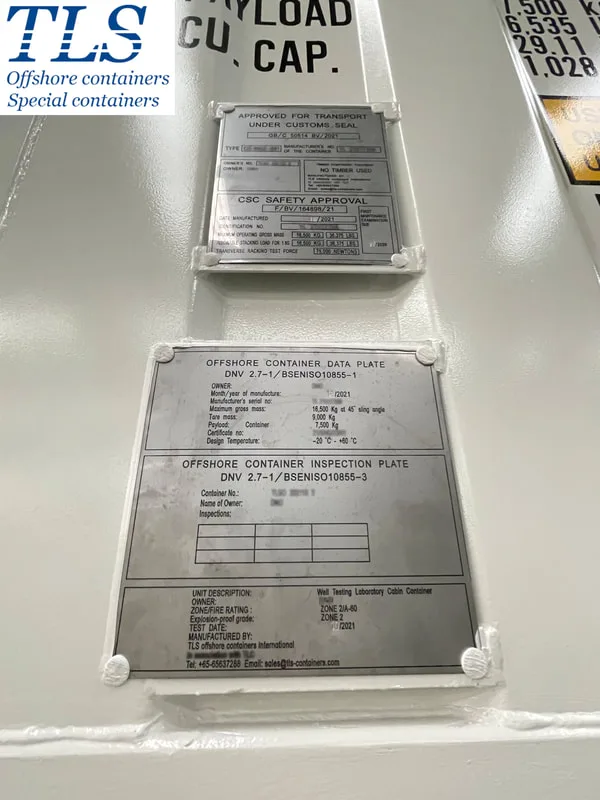
DNV 2.7-1 is a globally recognized standard for offshore containers, developed by the international certification body Det Norske Veritas (DNV). The standard specifies the requirements for design, manufacture, testing, inspection, and certification of offshore containers for use in the oil and gas industry.
DNV 2.7-1 certified offshore containers are designed to meet the highest standards of safety, quality, and efficiency. These containers are built to withstand harsh weather conditions, heavy loads, and rough handling during transport and lifting. They are also designed to protect personnel and equipment from hazards such as fire, explosion, and impact.
One of the key benefits of DNV 2.7-1 certified offshore containers is their versatility. These containers can be used for a wide range of applications in the oil and gas industry, including storage, transportation, and accommodation. They can be customized to meet specific requirements, such as the need for temperature control, hazardous material storage, or equipment protection.
DNV 2.7-1 certified offshore containers are subject to rigorous testing and inspection procedures to ensure compliance with the standard. This includes testing for structural strength, water-tightness, fire resistance, and lifting capacity. Only containers that meet these requirements and are certified by an accredited certification body are allowed to be used in the offshore industry.
Using DNV 2.7-1 certified offshore containers can help companies to reduce risk, improve safety, and increase efficiency in their operations. By using certified containers, companies can ensure that their equipment and personnel are protected from hazards and that their operations comply with industry standards and regulations.
In conclusion, DNV 2.7-1 certified offshore containers play a critical role in ensuring the safety and efficiency of operations in the oil and gas industry. These containers are designed and tested to meet the highest standards of quality and safety, and their versatility makes them ideal for a wide range of applications. By using certified containers, companies can minimize risk and improve the overall performance of their operations.
TLS Offshore Containers / TLS Special Containers is a global supplier of standard and customised containerised solutions.
Wherever you are in the world TLS can help you, please contact us.
#DNV 2.7-1 #offshore containers #oil and gas industry #risk reduction #structural strength #water-tightness #fire resistance
DNV 2.7-1 is a globally recognized standard for offshore containers, developed by the international certification body Det Norske Veritas (DNV). The standard specifies the requirements for design, manufacture, testing, inspection, and certification of offshore containers for use in the oil and gas industry.
DNV 2.7-1 certified offshore containers are designed to meet the highest standards of safety, quality, and efficiency. These containers are built to withstand harsh weather conditions, heavy loads, and rough handling during transport and lifting. They are also designed to protect personnel and equipment from hazards such as fire, explosion, and impact.
One of the key benefits of DNV 2.7-1 certified offshore containers is their versatility. These containers can be used for a wide range of applications in the oil and gas industry, including storage, transportation, and accommodation. They can be customized to meet specific requirements, such as the need for temperature control, hazardous material storage, or equipment protection.
DNV 2.7-1 certified offshore containers are subject to rigorous testing and inspection procedures to ensure compliance with the standard. This includes testing for structural strength, water-tightness, fire resistance, and lifting capacity. Only containers that meet these requirements and are certified by an accredited certification body are allowed to be used in the offshore industry.
Using DNV 2.7-1 certified offshore containers can help companies to reduce risk, improve safety, and increase efficiency in their operations. By using certified containers, companies can ensure that their equipment and personnel are protected from hazards and that their operations comply with industry standards and regulations.
In conclusion, DNV 2.7-1 certified offshore containers play a critical role in ensuring the safety and efficiency of operations in the oil and gas industry. These containers are designed and tested to meet the highest standards of quality and safety, and their versatility makes them ideal for a wide range of applications. By using certified containers, companies can minimize risk and improve the overall performance of their operations.
TLS Offshore Containers / TLS Special Containers is a global supplier of standard and customised containerised solutions.
Wherever you are in the world TLS can help you, please contact us.
#DNV 2.7-1 #offshore containers #oil and gas industry #risk reduction #structural strength #water-tightness #fire resistance
Written by Oliver
- Published on
#positive pressure, #blast-proof container, #hazardous area, #ventilation system, #ducts, # flammable gas, enclosure, alarm system,
- Published on
As the demand for renewable energy continues to grow, the use of battery energy storage containers has become increasingly popular. These containers provide a reliable and efficient way to store energy and help balance the electrical grid. However, safety concerns around battery energy storage containers have also arisen, particularly regarding the risk of fire.
To mitigate this risk, battery energy storage containers are equipped with a fire suppression system. This system is designed to quickly detect and suppress any potential fires that may occur within the container. In this article, we will explore the fire suppression system of the battery energy storage container and its importance for safety.
Firstly, it's important to understand why a fire can occur in a battery energy storage container. Lithium-ion batteries, which are commonly used in these containers, can generate heat and potentially ignite if damaged or overheated. This can result in a thermal runaway event, where the heat generated by one battery cell can spread to adjacent cells and cause a chain reaction, leading to a fire.
To prevent this from happening, battery energy storage containers are equipped with a range of safety features, including fire suppression systems. These systems are designed to detect a fire early on and suppress it before it can spread.
One common type of fire suppression system used in battery energy storage containers is a water mist system. This system works by spraying a fine mist of water over the affected area, which helps to cool down the batteries and suppress the fire. Water mist systems are particularly effective at suppressing fires in lithium-ion batteries because they are non-conductive and do not damage the batteries.
Another type of fire suppression system used in battery energy storage containers is a gas suppression system. This system works by releasing a gas, such as carbon dioxide or nitrogen, into the container to suppress the fire. Gas suppression systems are effective at suppressing fires because they displace oxygen, which is needed for combustion to occur.
In addition to these fire suppression systems, battery energy storage containers are also equipped with a range of other safety features. These may include temperature sensors, smoke detectors, and thermal cameras, which can detect potential fire hazards and alert operators to take action.
Overall, the fire suppression system is a crucial safety feature of the battery energy storage container. By detecting and suppressing fires early on, these systems can help to prevent damage to the container and ensure the safety of those nearby. As the use of battery energy storage containers continues to grow, it's important that safety remains a top priority, and that these systems are properly maintained and tested to ensure their effectiveness.
TLS Offshore Containers / TLS Special Containers is a global supplier of standard and customised containerised solutions.
Wherever you are in the world TLS can help you, please contact us.
Regarding the Battery Energy Storage System (BESS) container, please download Energy Storage System (ESS) Containers brochure for reference.
#Battery energy storage container #Fire suppression system #Lithium-ion batteries #Thermal runaway event #Gas suppression system #Electrical grid #Energy storage system (ESS) containers
To mitigate this risk, battery energy storage containers are equipped with a fire suppression system. This system is designed to quickly detect and suppress any potential fires that may occur within the container. In this article, we will explore the fire suppression system of the battery energy storage container and its importance for safety.
Firstly, it's important to understand why a fire can occur in a battery energy storage container. Lithium-ion batteries, which are commonly used in these containers, can generate heat and potentially ignite if damaged or overheated. This can result in a thermal runaway event, where the heat generated by one battery cell can spread to adjacent cells and cause a chain reaction, leading to a fire.
To prevent this from happening, battery energy storage containers are equipped with a range of safety features, including fire suppression systems. These systems are designed to detect a fire early on and suppress it before it can spread.
One common type of fire suppression system used in battery energy storage containers is a water mist system. This system works by spraying a fine mist of water over the affected area, which helps to cool down the batteries and suppress the fire. Water mist systems are particularly effective at suppressing fires in lithium-ion batteries because they are non-conductive and do not damage the batteries.
Another type of fire suppression system used in battery energy storage containers is a gas suppression system. This system works by releasing a gas, such as carbon dioxide or nitrogen, into the container to suppress the fire. Gas suppression systems are effective at suppressing fires because they displace oxygen, which is needed for combustion to occur.
In addition to these fire suppression systems, battery energy storage containers are also equipped with a range of other safety features. These may include temperature sensors, smoke detectors, and thermal cameras, which can detect potential fire hazards and alert operators to take action.
Overall, the fire suppression system is a crucial safety feature of the battery energy storage container. By detecting and suppressing fires early on, these systems can help to prevent damage to the container and ensure the safety of those nearby. As the use of battery energy storage containers continues to grow, it's important that safety remains a top priority, and that these systems are properly maintained and tested to ensure their effectiveness.
TLS Offshore Containers / TLS Special Containers is a global supplier of standard and customised containerised solutions.
Wherever you are in the world TLS can help you, please contact us.
Regarding the Battery Energy Storage System (BESS) container, please download Energy Storage System (ESS) Containers brochure for reference.
#Battery energy storage container #Fire suppression system #Lithium-ion batteries #Thermal runaway event #Gas suppression system #Electrical grid #Energy storage system (ESS) containers
Written by Oliver
- Published on
Battery Energy Storage Systems (BESS) are complex systems that require precise monitoring to ensure they operate safely and efficiently. Sensors play a crucial role in this monitoring, providing real-time information about the system's status and environment. In a BESS container, different types of sensors are used, including door status sensors, temperature sensors, and humidity sensors.
A door status sensor is an essential component of a BESS container, typically installed to monitor whether the container's door is open or closed. This sensor provides critical information about the system's security, helping to prevent unauthorized access and protect the system's components. An open door may also impact the system's thermal management, as it could allow heat to escape or let in cold air. The status of the door can be integrated into the system's control logic to trigger alarms or initiate specific responses when the door is opened or closed.
Temperature sensors are another vital part of a BESS container. These sensors continuously monitor the room temperature of the system, providing data that is crucial for managing the system's performance and safety. For instance, batteries in a BESS have an optimal operating temperature range. If the temperature gets too high, the batteries could overheat, leading to damage or even thermal runaway, a dangerous situation that could result in a fire or explosion. If the temperature gets too low, the batteries' performance and lifespan could be reduced. Temperature sensors in a BESS container typically use PT100 sensors, a type of resistance temperature detector (RTD) known for its high accuracy over a wide temperature range.
Humidity is another environmental factor that can significantly impact the performance and safety of a BESS. High humidity can lead to condensation, which could cause electrical short circuits or corrosion of components. On the other hand, low humidity can increase the likelihood of electrostatic discharge, which could damage sensitive electronic components. Therefore, a BESS container is typically equipped with a humidity sensor to monitor the relative humidity within the system. This sensor can measure relative humidity from 0 to 100%, providing valuable data that can be used to control the system's humidity levels and prevent these issues. The humidity sensor is often connected to a CAN open IO module, allowing it to interface with the system's Supervisory Control and Data Acquisition (SCADA) system or site controller. This connection enables real-time monitoring and control of the system's humidity levels, ensuring they stay within the safe and optimal range.
In conclusion, sensors play a vital role in monitoring and controlling the environment within a BESS container. They provide the real-time data necessary to manage the system's performance and safety, helping to prevent issues that could lead to system failure or damage. Whether it's a door status sensor, a temperature sensor, or a humidity sensor, each of these components contributes to the reliable and efficient operation of a BESS.
A door status sensor is an essential component of a BESS container, typically installed to monitor whether the container's door is open or closed. This sensor provides critical information about the system's security, helping to prevent unauthorized access and protect the system's components. An open door may also impact the system's thermal management, as it could allow heat to escape or let in cold air. The status of the door can be integrated into the system's control logic to trigger alarms or initiate specific responses when the door is opened or closed.
Temperature sensors are another vital part of a BESS container. These sensors continuously monitor the room temperature of the system, providing data that is crucial for managing the system's performance and safety. For instance, batteries in a BESS have an optimal operating temperature range. If the temperature gets too high, the batteries could overheat, leading to damage or even thermal runaway, a dangerous situation that could result in a fire or explosion. If the temperature gets too low, the batteries' performance and lifespan could be reduced. Temperature sensors in a BESS container typically use PT100 sensors, a type of resistance temperature detector (RTD) known for its high accuracy over a wide temperature range.
Humidity is another environmental factor that can significantly impact the performance and safety of a BESS. High humidity can lead to condensation, which could cause electrical short circuits or corrosion of components. On the other hand, low humidity can increase the likelihood of electrostatic discharge, which could damage sensitive electronic components. Therefore, a BESS container is typically equipped with a humidity sensor to monitor the relative humidity within the system. This sensor can measure relative humidity from 0 to 100%, providing valuable data that can be used to control the system's humidity levels and prevent these issues. The humidity sensor is often connected to a CAN open IO module, allowing it to interface with the system's Supervisory Control and Data Acquisition (SCADA) system or site controller. This connection enables real-time monitoring and control of the system's humidity levels, ensuring they stay within the safe and optimal range.
In conclusion, sensors play a vital role in monitoring and controlling the environment within a BESS container. They provide the real-time data necessary to manage the system's performance and safety, helping to prevent issues that could lead to system failure or damage. Whether it's a door status sensor, a temperature sensor, or a humidity sensor, each of these components contributes to the reliable and efficient operation of a BESS.
- Published on
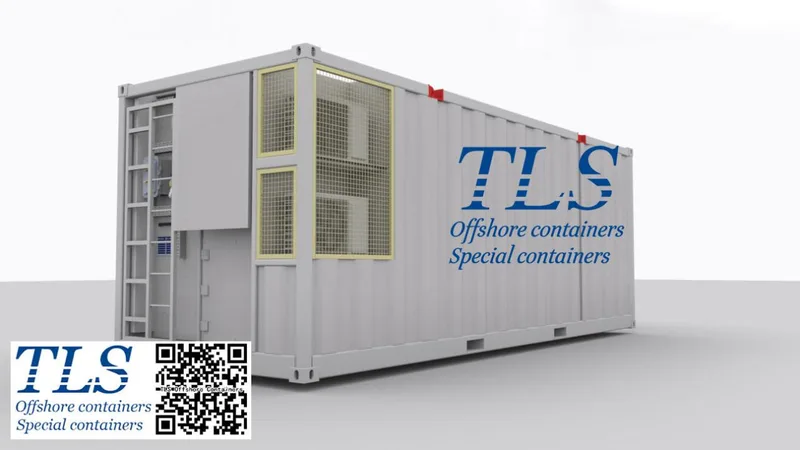
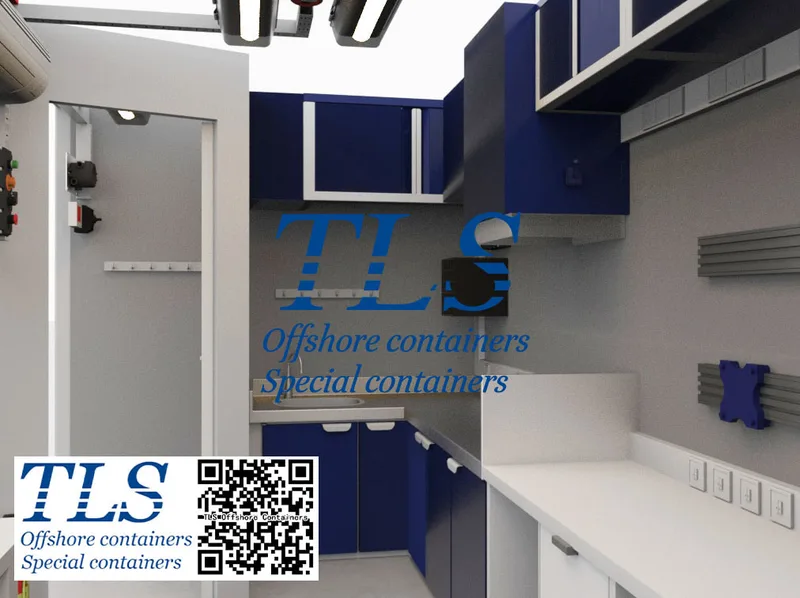
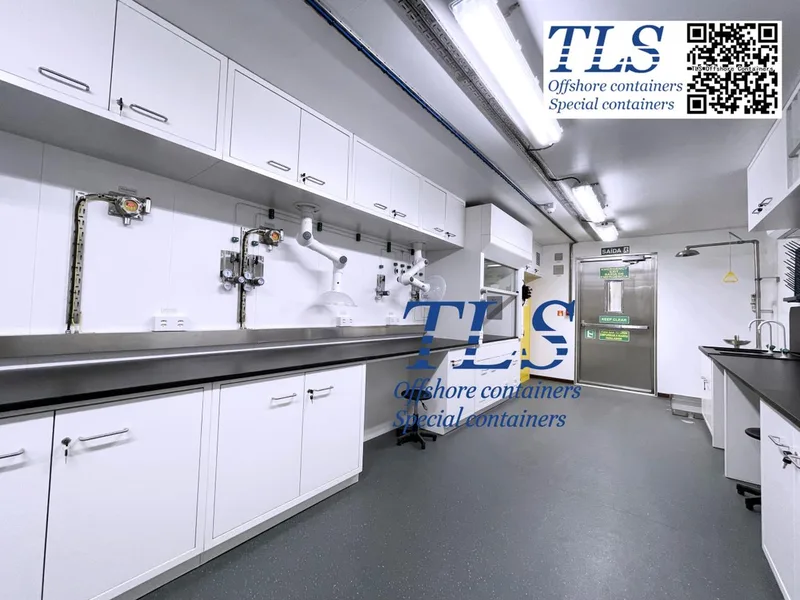
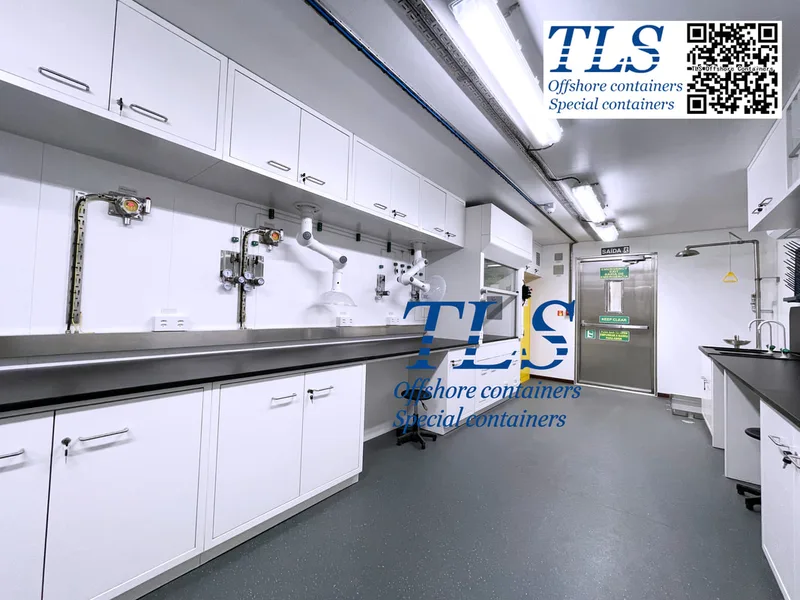
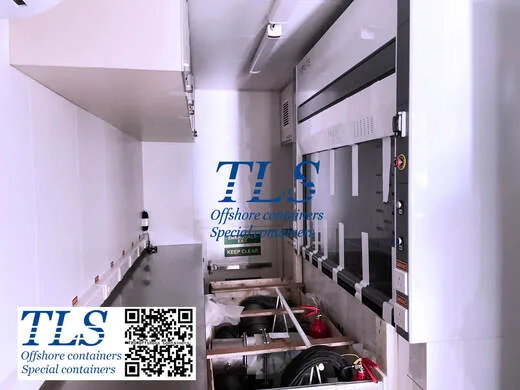
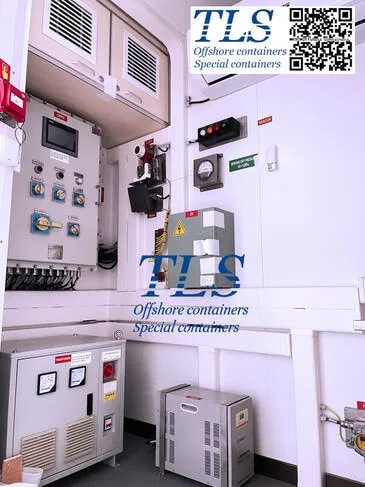
When it comes to offshore operations in hazardous environments, TLS's workshop container is a valuable tool that provides an integrated control system with PLC control, human-machine interface, and peripheral devices. Additionally, it features a positive pressure explosion-proof and fire gas control system that detects, monitors, a nd alerts for fire, flammable gas, and toxic gas.
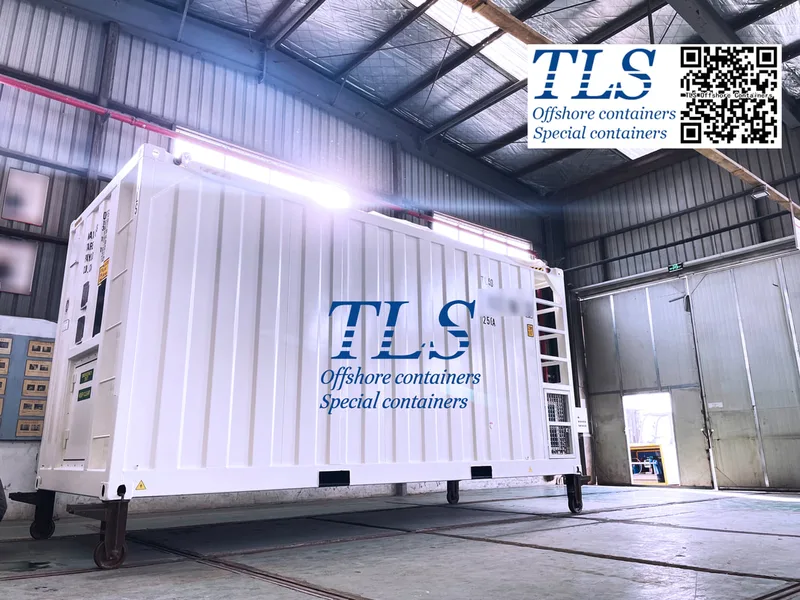
The LAB container complies with the DNV2.7-1 structural standard, IEC60079-13:2017 positive pressure explosion-proof standard, and A60 fireproof standard, ensuring safe and reliable operation.
The control system is equipped with functions such as automatic control of safe power supply shutdown, emergency shutdown, and remote shutdown control. It also offers various operating modes to meet different usage needs, ensuring safe and reliable operation, convenient maintenance, and quick power supply.
TLS's workshop container|laboratory container is a practical tool suitable for hazardous areas and offshore environments. It adheres to strict structural, explosion-proof, and fireproof standards, and features a range of control system functions to provide a safe and reliable user experience.
The LAB container complies with the DNV2.7-1 structural standard, IEC60079-13:2017 positive pressure explosion-proof standard, and A60 fireproof standard, ensuring safe and reliable operation.
The control system is equipped with functions such as automatic control of safe power supply shutdown, emergency shutdown, and remote shutdown control. It also offers various operating modes to meet different usage needs, ensuring safe and reliable operation, convenient maintenance, and quick power supply.
TLS's workshop container|laboratory container is a practical tool suitable for hazardous areas and offshore environments. It adheres to strict structural, explosion-proof, and fireproof standards, and features a range of control system functions to provide a safe and reliable user experience.
#workshop container, #offshore, #hazardous environments, #integrated control system, #positive pressure explosion-proof, #fire gas control system, #DNV2.7-1, #IEC60079-13:2017, #A60 fireproof